

It’s Time to Save: Amazon Prime Deals on Smartwatches and Fitness Trackers
Wearable health technology is shifting toward AI-driven wellness coaching and clinical-grade diagnostics. According to PCMag reviews, current leaders like the Apple Watch Series 11 and Oura Ring 4 are integrating advanced metrics—including blood pressure and 50+ health indicators—to move beyond basic step counting into holistic, proactive health management.
How is AI changing fitness tracking?
Artificial intelligence is transforming wearables from passive data collectors into active health coaches. The Samsung Galaxy Watch 8 integrates a personal AI helper and a “Running Coach” that provides real-time feedback to users during exercise. This marks a shift from simply recording a run to actively improving a user’s form and pace.
Other brands are applying AI to hardware functionality. CMF by Nothing uses AI to reduce background noise in its Watch 3 Pro, ensuring clearer calls via the built-in microphone. While older trackers like the Fitbit Inspire 3 focus on basic activity and sleep features, the newer generation uses AI to analyze patterns and offer “Bedtime Guidance,” as seen in Samsung’s latest ecosystem.
What health metrics are becoming standard?
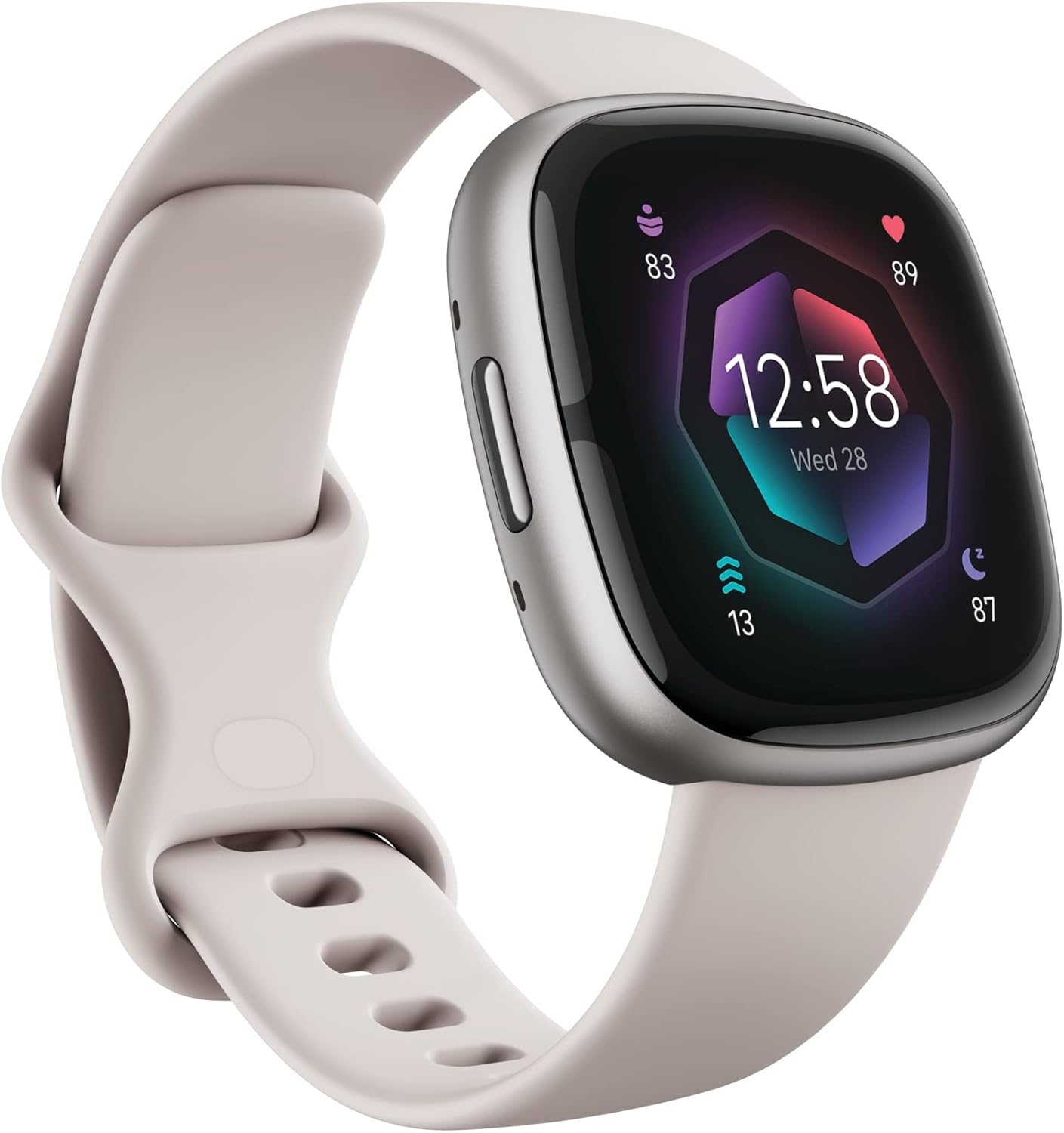
The industry is moving toward medical-grade monitoring. The Apple Watch Series 11 now tracks blood pressure, heart rate, and sleep, while the Fitbit Sense 2 utilizes cEDA (continuous electrodermal activity) for all-day stress detection. These tools allow users to identify irregular heart rhythms and manage stress through a dedicated Stress Management Score.

According to PCMag expert Andrew Gebhart, the Apple Watch Series 11 is the “best Apple Watch for most people” due to these expanded health capabilities and 5G support. Meanwhile, the Oura Ring 4 tracks over 50 different health metrics, focusing on holistic data like blood oxygen sensing and 24/7 heart rate monitoring without the bulk of a wrist-worn screen.
Comparison: Specialized Health Tracking
| Feature | Apple Watch Series 11 | Fitbit Sense 2 | Oura Ring 4 |
|---|---|---|---|
| Primary Focus | General Health/5G | Stress Management | Holistic Wellness |
| Key Metric | Blood Pressure | cEDA Stress Sensing | 50+ Health Metrics |
Why is battery life evolving?
Battery anxiety remains a primary consumer pain point. Manufacturers are responding with three distinct strategies: solar charging, fast charging, and extreme efficiency. The Garmin Quatix 7X Solar Edition uses solar power to extend its life, while the Apple Watch SE 3 employs fast charging to restore eight hours of energy in just 15 minutes.
For those prioritizing longevity over smart features, the Fitbit Inspire 3 offers a 10-day battery life. This contrast highlights a market split. Users either choose high-power “wrist computers” like the Apple Watch Series 11, which lasts 24 hours, or specialized endurance tools like Garmin’s sapphire-lens models designed for outdoor survival.
Will smart rings replace smartwatches?
Smart rings are carving out a niche for users who want data without distractions. The Oura Ring 4 is described by PCMag as the “best smart ring on the market” because it provides detailed fitness and stress data in a discreet form factor. It eliminates the “screen fatigue” associated with devices like the Samsung Galaxy Watch 8.

However, rings lack the immediate utility of watches. A Garmin Quatix 7X provides a three-axis compass and gyroscope for navigation, and the Apple Watch Series 11 can alert emergency services after a severe car crash. The trend suggests a “hybrid” future where users wear a ring for 24/7 recovery tracking and a watch for active workouts and safety.
Frequently Asked Questions
Which tracker is best for stress management?
The Fitbit Sense 2 is specifically designed for this, using cEDA sensors and a daily Stress Management Score to help users monitor their physiological responses.
Do I need a subscription for health data?
Some do. For example, the Oura Ring 4 offers a one-month free trial of its membership, which is required to access advanced metrics like blood oxygen sensing.
Can smartwatches actually detect medical emergencies?
Yes. According to product specifications, the Apple Watch Series 11 can detect hard falls and severe car crashes to automatically notify emergency contacts.
What do you prioritize more in a wearable: detailed health data or long battery life? Let us know in the comments or subscribe to our newsletter for more tech breakdowns.