
Japan Denies China’s Allegations of Harassing Aircraft Carrier Strike Group
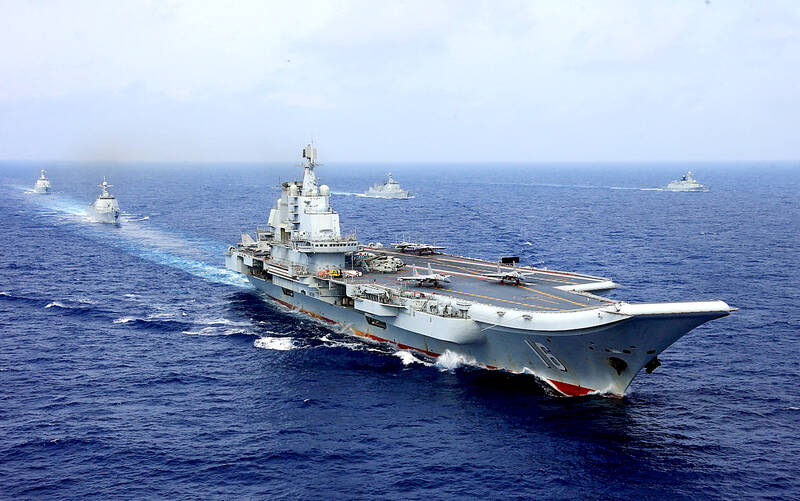
Japan’s Ministry of Defense has denied claims from the Chinese navy that Japanese forces harassed the Liaoning aircraft carrier strike group during 40 days of Pacific exercises. While China alleges “close-range tracking and provocation,” Japan’s Joint Staff stated these claims are “not factual,” maintaining they only conduct steady vigilance in their surrounding airspace.
Why is there a dispute over the Liaoning carrier exercises?
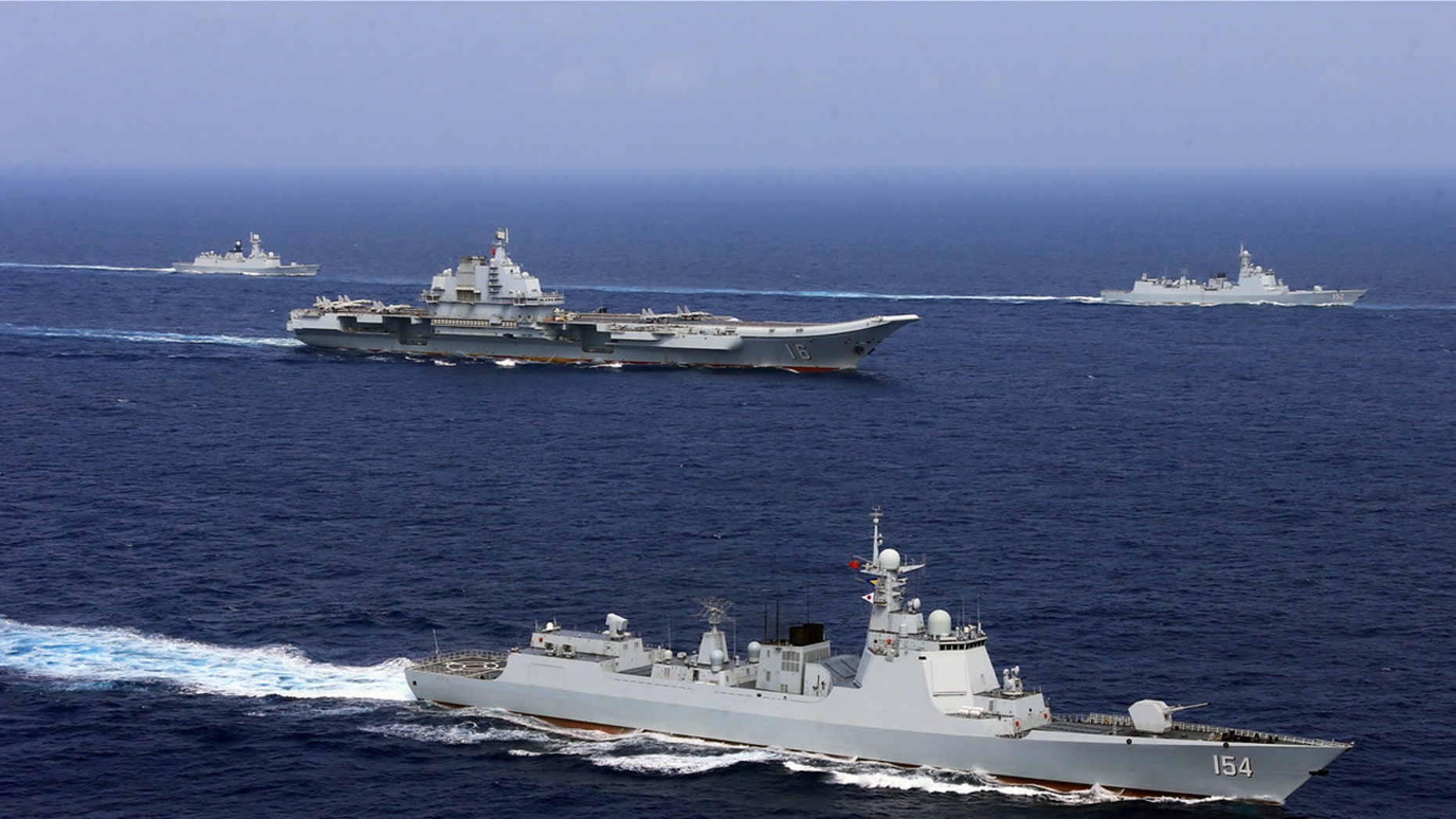
The conflict stems from a 40-day series of “offensive and defensive” drills conducted by a Chinese formation led by the Liaoning aircraft carrier. According to the Chinese navy, Japanese ships and aircraft repeatedly engaged in “close-range tracking, surveillance, harassment and provocation” during the mission.
China claims its carrier group maintained a “high state of alert” and launched combat sorties to respond to “dangerous actions” from the Japanese side. However, Japan’s Joint Staff countered these assertions on X, stating the accusations were not factual. The Japanese Ministry of Defense maintains its forces only perform “professional and steady vigilance” to monitor the surrounding sea and airspace.
What is the significance of Chinese patrols east of Taiwan?
China is increasing “law-enforcement and patrol activities” in waters east of Taiwan, a move that has drawn international condemnation. Britain, France, and Germany recently expressed alarm over what they termed “novel Chinese activity” in the region.
Chinese Ministry of Foreign Affairs spokesman Guo Jiakun defended these patrols, stating they are “legitimate exercises of jurisdiction” intended to maintain maritime order. Guo specifically attributed these actions to the “manipulation of maritime delimitation issues” by Japan and the Philippines.
In contrast, a joint statement from the de facto embassies of France, Germany, and Britain in Taiwan argued that these activities threaten the safety of international shipping and freedom of navigation. The United States has also expressed concern regarding this shift in maritime behavior.
Comparing Regional Perspectives
| Perspective | Characterization of Activity | Stated Goal |
|---|---|---|
| China | Legitimate law enforcement | Protect maritime rights/interests |
| EU/US | “Novel activity” / Threat | Maintain regional stability |
| Japan | Professional vigilance | Surveillance of national airspace |
How are these tensions impacting commercial shipping?
The friction isn’t limited to military vessels. Taiwan reported earlier this month that China Coast Guard ships have begun harassing commercial vessels. These ships reportedly demand that commercial crews report their intended routes while operating near the nation.
This shift toward using coast guard assets—rather than just navy ships—suggests a “gray zone” strategy. By framing military-adjacent activities as “law enforcement,” China attempts to assert jurisdiction without triggering a full military response from the US or its allies.
FAQ: Understanding Pacific Maritime Disputes
What is the “Liaoning” group?
It is a Chinese aircraft carrier strike group consisting of the Liaoning carrier, escort ships, and carrier-based aircraft used for offensive and defensive exercises.
Why are European nations involved in Taiwan’s waters?
Britain, France, and Germany are concerned that Chinese activity threatens “freedom of navigation,” which is essential for global trade and international shipping lanes.
What does “maritime delimitation” mean?
It refers to the legal process of defining the boundaries between the maritime zones of different states, a major point of contention in the South China Sea.
Do you think “gray zone” tactics will increase the risk of accidental conflict in the Pacific?
Join the conversation in the comments below or subscribe to our newsletter for deep-dive geopolitical analysis.