
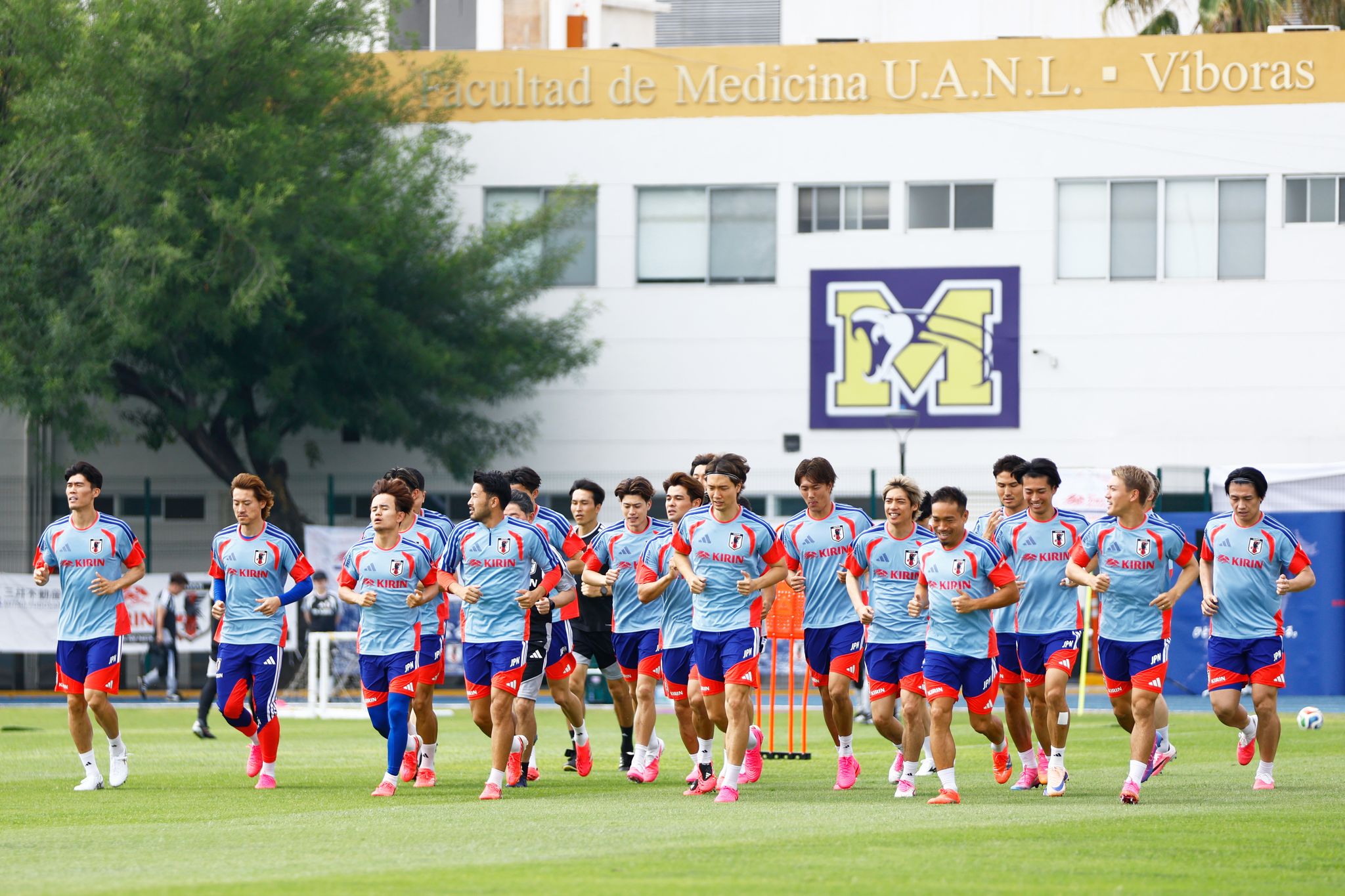
Japan Relocates Training Venue in Monterrey Due to Poor Pitch Conditions
The High Stakes of Pitch Quality: Lessons from the Japan National Team’s Monterrey Pivot
Professional football is a game of fine margins. When the Japanese national team abruptly abandoned their training facilities at Tigres’ headquarters in Monterrey due to poor pitch conditions, it served as a wake-up call for host venues worldwide. For players, a sub-par pitch isn’t just an inconvenience; We see a direct threat to their career longevity.
As Takefusa Kubo candidly remarked after the team relocated to the Rayados’ facility, El Barrial, the original pitch was “hard and full of holes.” When elite athletes fear for their safety—specifically the risk of ankle, knee, and ligament injuries—the integrity of the entire tournament is compromised.
Why Infrastructure Standards are Becoming the New Competitive Edge
The incident in Monterrey went viral, sparking a wave of criticism against the hosting club. In the era of social media, reputation management is inextricably linked to infrastructure quality. For professional clubs and national federations, the standard of training facilities is no longer just “nice to have”; it is a foundational requirement for hosting international talent.

The Rising Cost of Player Safety
Recent data from sports science research highlights that non-contact injuries are significantly higher on uneven or overly firm surfaces. With the transfer market values of top players reaching hundreds of millions of dollars, teams are becoming increasingly militant about where their athletes train. We are seeing a shift where visiting teams now conduct independent “pitch audits” before agreeing to utilize local facilities.
Did you know? FIFA’s technical guidelines for training sites mandate specific soil moisture levels, grass height, and even light penetration metrics to ensure player safety during major tournaments.
Future Trends: The “Smart Pitch” Revolution
Looking ahead, we can expect a shift toward data-driven pitch management. Future training centres will likely utilize:
- IoT Sensors: Real-time tracking of soil density, temperature, and hydration levels.
- Automated Climate Control: Sub-surface heating and cooling systems that prevent the “hardening” of pitches described by the Japanese squad.
- Predictive Maintenance: AI-driven scheduling that limits pitch usage based on weather forecasts to prevent wear and tear before high-profile training sessions.
Frequently Asked Questions
- Why is pitch quality so important for professional players?
- Uneven surfaces increase the risk of acute injuries like ankle sprains and ligament tears, while overly hard surfaces cause long-term joint stress.
- How do teams decide where to train during a tournament?
- Teams usually perform site visits months in advance, checking turf quality, privacy, security, and proximity to match venues.
- Can a poor pitch affect the outcome of a match?
- Absolutely. Poor pitch conditions disrupt ball flow, affect passing accuracy, and can force teams to adopt a more conservative, defensive style of play to avoid mistakes.
The Bottom Line for Host Cities
The lesson from Monterrey is clear: global visibility comes with global accountability. Host cities that fail to meet the rigorous standards of international football risk public scrutiny and the loss of future hosting opportunities. As the global game grows, the quality of the “office”—the pitch—must match the quality of the talent performing on it.
What do you think is the most important factor in a world-class training facility? Share your thoughts in the comments below, or subscribe to our weekly sports management newsletter for more deep dives into the business of football.