
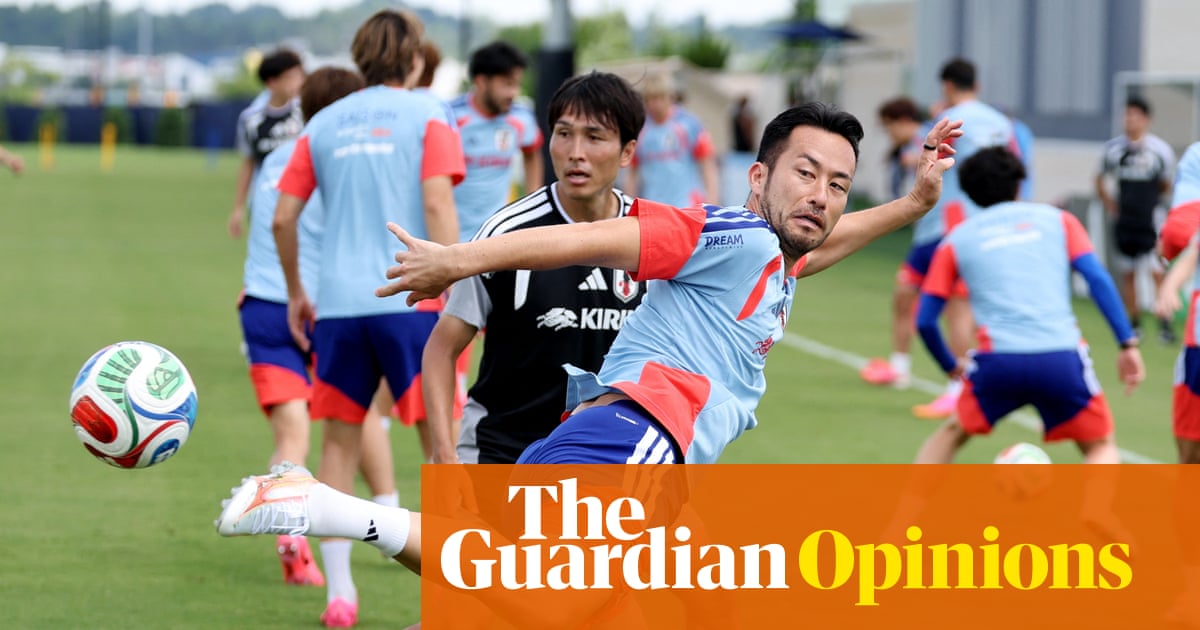
Japan’s World Cup Ambition: Can They Become Asia’s Best Football Side?
Japan is positioning itself as the premier Asian football power, with manager Hajime Moriyasu targeting a World Cup victory. According to recent reporting, the squad’s depth and a string of friendly wins over England and Brazil signal a shift from their historical “mental block” in the Round of 16.
Why is Japan now outpacing South Korea in global football?
The trajectory of Japanese football differs sharply from South Korea’s early professionalization. South Korea launched its first professional attempt in 1983, featuring teams run by banks and corporations, including the evangelical-led Hallelujah. Japan waited until 1993 to launch the glitzy JLeague, importing global stars like Zico and Gary Lineker to raise the domestic standard.
This structural difference created a gap that was evident during the 2002 World Cup. While South Korea reached the semi-finals, Japan exited in the last 16 after a 1-0 loss to Turkey. However, the long-term investment in the JLeague has paid off. Japan now boasts a deeper pool of talent integrated into top European leagues than ever before.
How is the “Round of 16” mental block being dismantled?
Manager Hajime Moriyasu, the longest-serving manager in Japan’s history since taking over in 2018, has openly challenged the psychological barriers that have plagued the team. Japan has a documented history of stumbling at the first knockout stage: a penalty loss to Paraguay in 2010, a collapsed lead against Belgium in 2018, and a defeat to Croatia in 2022.
The trend is shifting toward aggressive confidence. Japan recently secured six successive friendly wins, including victories over football giants England and Brazil. Moriyasu isn’t just aiming for progression; he’s talking about winning the entire competition. This shift in rhetoric reflects a squad that no longer views European or South American dominance as an inevitability.
What role does European integration play in Japan’s growth?
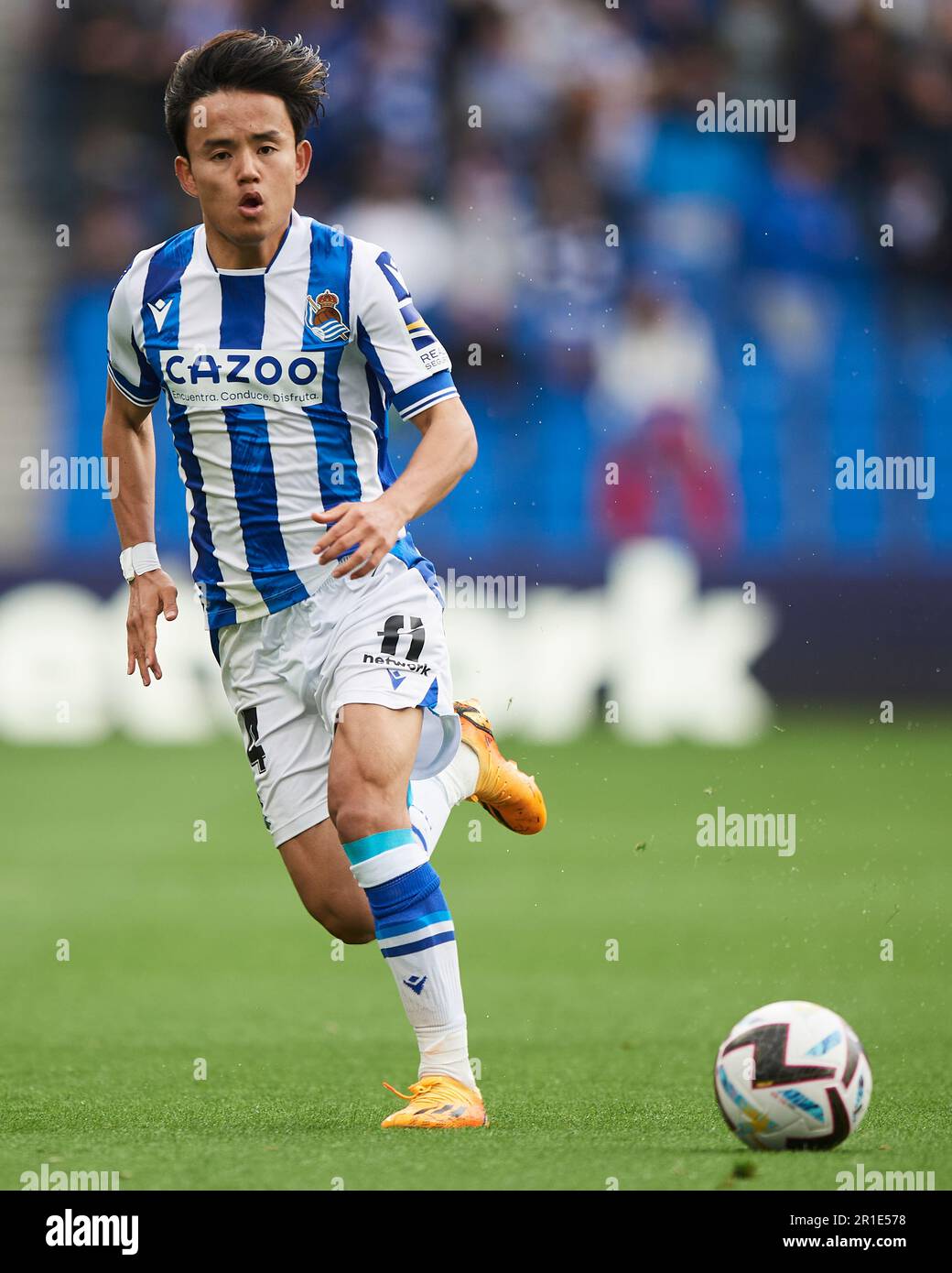
The era of the isolated Japanese star is over. The current squad relies on a network of players seasoned in Europe’s most competitive environments. Takefusa Kubo, who transitioned from Barcelona’s la Masia to Real Madrid and now Real Sociedad, embodies this evolution. At 25, Kubo provides a level of tactical maturity that previous generations lacked.
Other key figures include Crystal Palace’s Daichi Kamada and Celtic’s Daizen Maeda. This European experience allows Japan to be tactically flexible. Moriyasu’s 3-4-2-1 system relies on versatile creators who can switch roles seamlessly, a capability honed in the high-pressure leagues of Spain and England.
Can Japan overcome injury crises to reach a quarter-final?
Recent injuries to captain Wataru Endo, Kaoru Mitoma, and Takumi Minamino would have been catastrophic for previous squads. However, current analysis suggests these absences aren’t terminal. The ability to slot in players like Keito Nakamura or Junya Ito without a drop in quality demonstrates a new level of squad depth.
The team’s cohesion remains a strength. Even with a ruptured ACL, Minamino traveled with the squad to provide moral support. This unity, combined with a goal of reaching the quarter-finals—as stated by Endo—suggests a team that is mentally prepared for the pressures of the knockout stages.
For more on Asian football’s rise, check out our guide to the AFC Champions League or visit the official FIFA rankings to see Japan’s current standing.
Frequently Asked Questions
Who is the current manager of the Japan national team?
Hajime Moriyasu, who has been in charge since 2018 and is the longest-serving manager in the team’s history.
What is Japan’s best historical World Cup performance?
Japan has reached the Round of 16 on multiple occasions but has yet to progress to the quarter-finals.
Who are the key players in the current squad?
Takefusa Kubo (Real Sociedad) and Ayase Ueda (Feyenoord) are central to the current attacking strategy.
Think Japan can finally break the curse?
Join the conversation in the comments below or subscribe to our newsletter for deep-dive tactical analysis of the World Cup.