
JD Vance: Trump Is Israel’s Only Powerful Ally
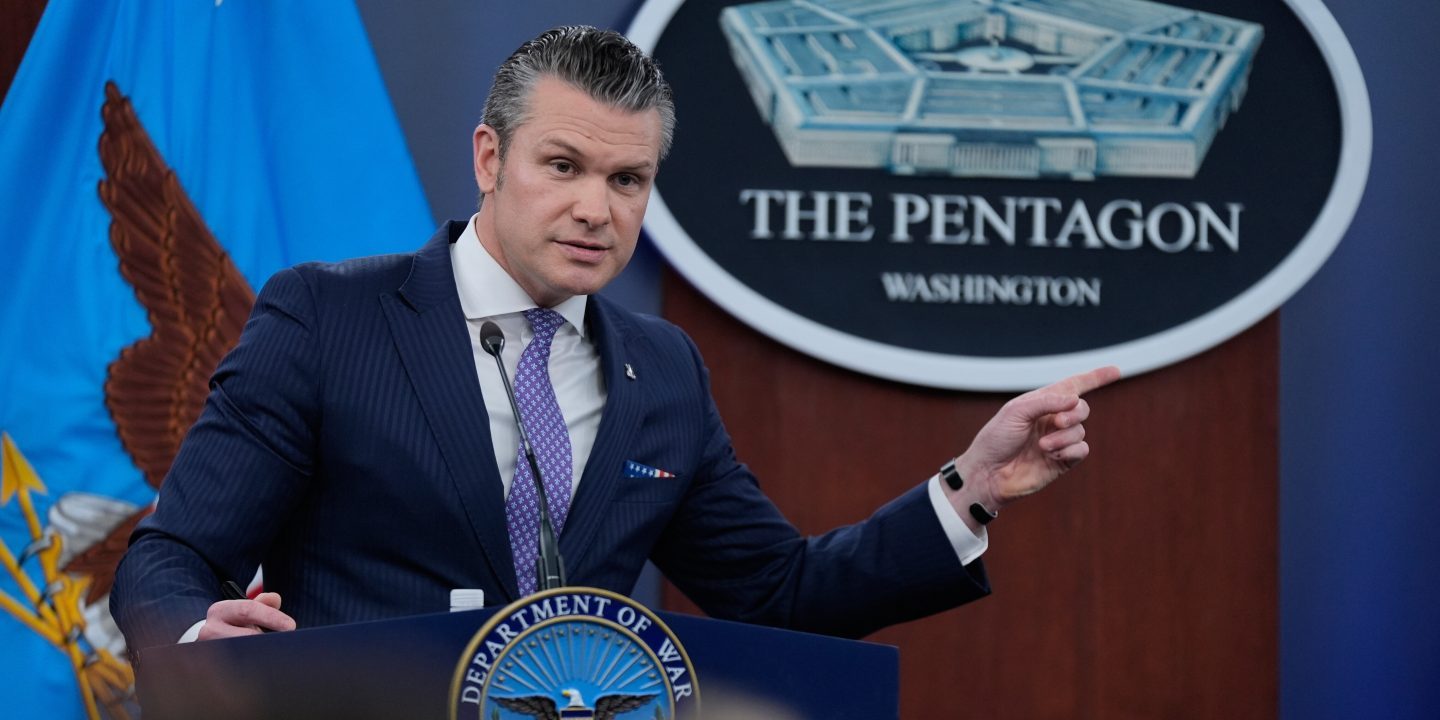
US Vice President JD Vance has identified Donald Trump as the only world leader currently well-disposed toward Israel, citing that US taxpayers funded two-thirds of the defense weapons protecting Israel from Hezbollah attacks over the last three months. This statement comes as tensions rise between the US administration and members of Prime Minister Benjamin Netanyahu’s cabinet over a US-Iran framework agreement and the military status of South Lebanon, according to reports from dpa.
Why are US-Israel relations facing new friction?
The current tension stems from a divide between the US executive branch and specific members of the Israeli cabinet. According to JD Vance, some Israeli officials have labeled Donald Trump as “the biggest problem” for their country. Vance rejected this view during a White House press conference, stating he would not attack the only powerful ally Israel has left on a global scale.
While some reports suggested Prime Minister Benjamin Netanyahu was “angry” about the US-Iran framework agreement, Vance stated these reports do not align with his personal conversations with the Prime Minister. However, Vance acknowledged that Netanyahu might express different opinions when speaking to other partners.
What is the impact of US defense funding on Israeli security?
Financial dependency remains a cornerstone of the security relationship. Vance noted that two-thirds of the defense systems used to intercept Hezbollah attacks in the last quarter were built by Americans and paid for with US tax dollars. This figure underscores the material reliance Israel has on US military industrial capacity to maintain its airspace security.
This emphasis on funding suggests a shift toward a more transactional diplomatic approach. By highlighting the specific cost and origin of defense weapons, the US administration is signaling that military support is a tangible investment rather than a blank check.
How does the US-Iran agreement affect South Lebanon?
The framework agreement between the US and Iran creates a diplomatic clash over the “territorial integrity” of Lebanon. According to the agreement, there is a commitment to ensure Lebanon’s borders remain intact. Iran has used this framework to demand that Israel completely withdraw its forces from South Lebanon.
Prime Minister Netanyahu has countered this demand. Following the signing of the agreement, Netanyahu announced that Israeli troops would remain in South Lebanon to maintain a security zone. This creates a direct contradiction between the diplomatic language of the US-Iran agreement and Israel’s operational military strategy on the ground.
Future trends in US-Middle East diplomacy
A shift toward transactional alliances
The rhetoric from JD Vance indicates a move away from unconditional support. By linking loyalty to the US administration with the provision of expensive defense hardware, the US is likely to demand more strategic alignment from the Israeli cabinet in exchange for continued funding.
Increased cabinet volatility in Israel
The disconnect between Netanyahu and his cabinet members regarding the US suggests internal fractures. If certain ministers continue to criticize US leadership while relying on US weapons, it could lead to diplomatic bottlenecks that hinder the flow of military aid.
The “Security Zone” stalemate
Expect a prolonged standoff in South Lebanon. Because the US-Iran agreement does not name Israel or Hezbollah as direct parties, there is no formal mechanism to force a withdrawal. Israel’s insistence on a buffer zone suggests that military necessity will continue to override the “territorial integrity” goals of the framework agreement.
Comparison: Diplomatic Goals vs. Military Reality
| Entity | Stated Goal/Position | Practical Action |
|---|---|---|
| US-Iran Agreement | Ensure Lebanese territorial integrity | Framework for regional stability |
| Israel (Netanyahu) | Prevent Hezbollah attacks | Maintain South Lebanon security zone |
| Iran | Israeli withdrawal from Lebanon | Leveraging the framework agreement |
Frequently Asked Questions
Who is paying for Israel’s defense against Hezbollah?
According to US Vice President JD Vance, two-thirds of the defense weapons used in the last three months were paid for by US taxpayers.
Does the US-Iran agreement force Israel to leave Lebanon?
No. While the agreement affirms Lebanon’s “territorial integrity” and Iran demands a withdrawal, Israel is not a direct party to the agreement. Prime Minister Netanyahu has stated that troops will remain in the South.
What is the relationship between Donald Trump and the Israeli government?
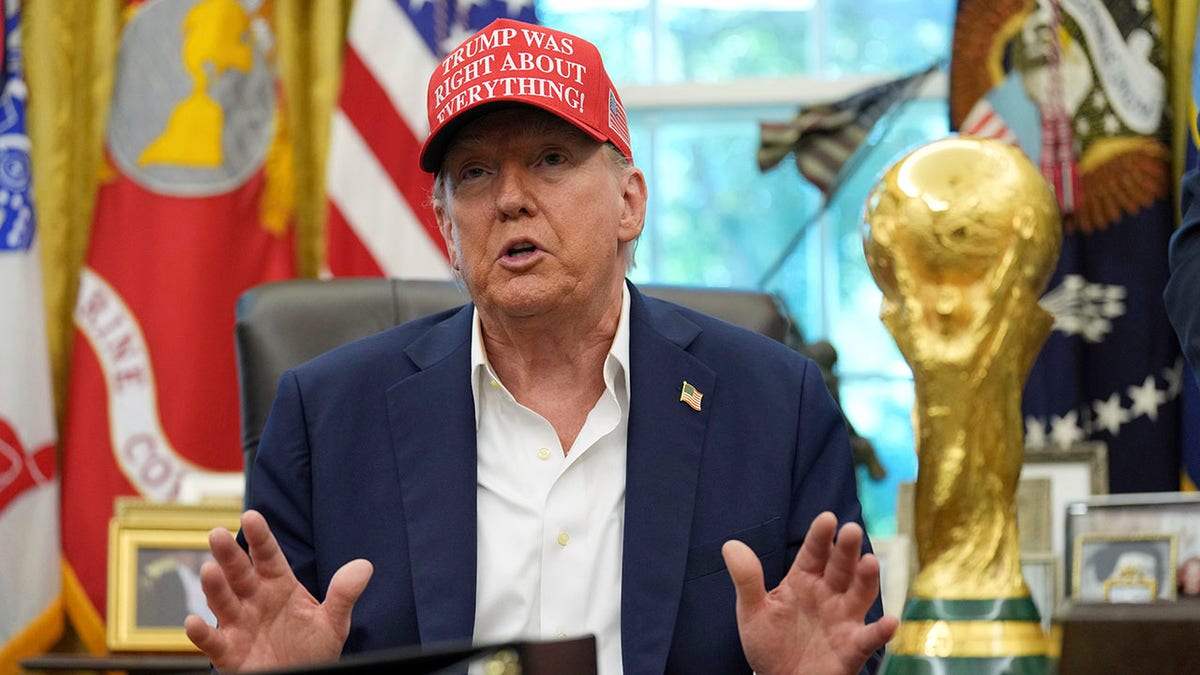
JD Vance claims Donald Trump is the only world leader well-disposed toward Israel, though he noted that some members of the Israeli cabinet have been critical of him.
What do you think about the shift toward transactional diplomacy in the Middle East? Share your thoughts in the comments below or subscribe to our geopolitical newsletter for deeper analysis.