
Jeff Bezos Rejects AI Job Loss Fears, Predicts Labor Shortage
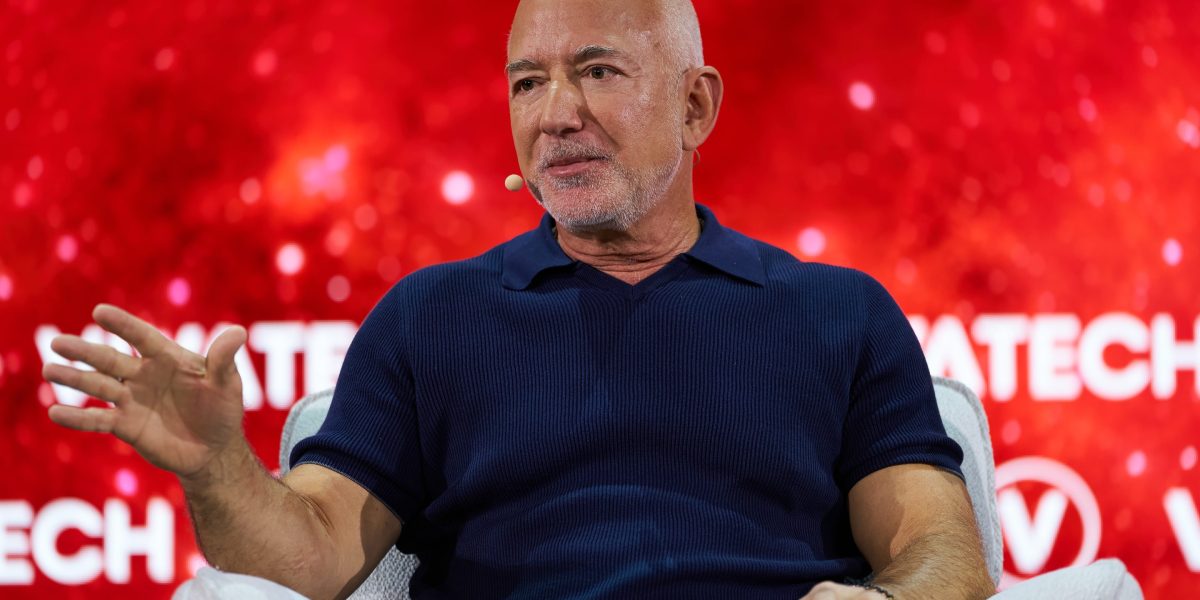
Jeff Bezos stated at the VivaTech conference in Paris that artificial intelligence will likely create a labor shortage rather than making humans redundant, contradicting widespread fears of AI-driven unemployment. The Amazon founder argued that AI will lower barriers to human effort, which he believes will increase the overall demand for workers.
Why does Jeff Bezos believe AI will create a labor shortage?
Bezos told Blue Origin CEO David Limp that he totally disagrees with the view that AI makes humans redundant. He argues that humans have “endless” things they want to do but are currently limited by barriers that AI will lower.
In a May interview with CNBC, Bezos used a “bulldozer vs. shovel” metaphor to explain that AI uplifts workers. He specifically dismissed concerns that skilled professionals, such as software engineers and radiologists, face displacement, and predicted productivity gains would drive deflation.
How do Bezos’s claims contrast with current industry data?
Bezos’s bullish outlook differs from a Reuters/Ipsos poll published this month, which found half of U.S. respondents fear AI could put them or a household member out of work. A Federal Reserve governor also warned in February that a “jobless boom” could leave workers “essentially unemployable.”
Current data shows significant volatility in the tech sector. Tech layoffs through May 2026 have surpassed 115,000, with Meta, Amazon, and Snap citing AI as a driver for cuts. Goldman Sachs estimates AI eliminates roughly 16,000 U.S. jobs per month, hitting Gen Z and entry-level workers hardest.
What is Prometheus and how does it impact the physical economy?
Prometheus operates at the intersection of AI and the “physical economy,” targeting drug development, automotive, and aerospace engineering. Bezos described the tool as an “artificial general engineer” that optimizes the creation of physical objects like pharmaceuticals and jet engines.

Bezos clarified during a May CNBC interview that the company is a modern version of CAD. He explicitly stated, “We have nothing to do with robotics,” when correcting assumptions about the startup’s focus.
How could space exploration return Earth to its pre-industrial state?
Bezos argued that relocating polluting industries off-planet could return Earth to its “pre-Industrial Revolution state.” This strategy relies on making space travel inexpensive and reliable enough to source raw materials from the moon, asteroids, and near-Earth objects.
This vision addresses a predicted 30% shortfall of magnetic rare earth minerals by 2035, according to McKinsey. Sourcing these materials from space could mitigate geopolitical tensions and actual scarcity on Earth.
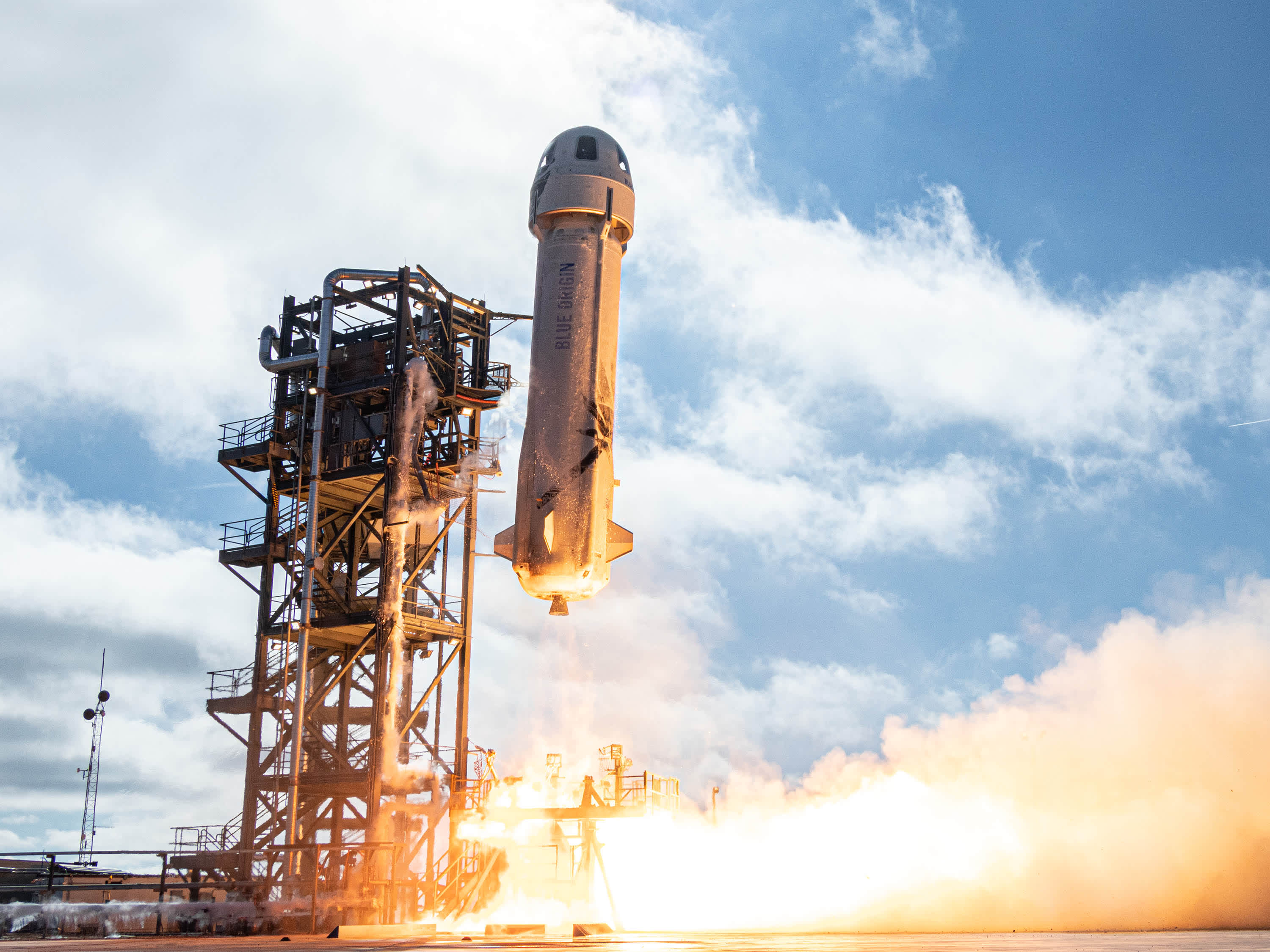
David Limp provided an update on Blue Origin’s recovery from a May explosion at the New Glenn launch pad in Cape Canaveral, Florida. Limp confirmed that reconstruction of the pad has begun, though he did not provide a specific launch timeline.
Frequently Asked Questions
What is Jeff Bezos’s view on AI and jobs?
Bezos believes AI will not make humans redundant but will instead create a labor shortage by lowering barriers to human effort and increasing demand for work.
What does the startup Prometheus do?
Prometheus is an AI design tool, described as an “artificial general engineer,” used to model and optimize physical objects in the aerospace, automotive, and drug development sectors.
Why does Bezos want to source materials from space?
To address the scarcity of rare earth minerals—which McKinsey predicts will see a 30% shortfall by 2035—and to move polluting industries off Earth.
Do you believe AI will eventually create more jobs than it eliminates, or will the current trend of layoffs continue?