
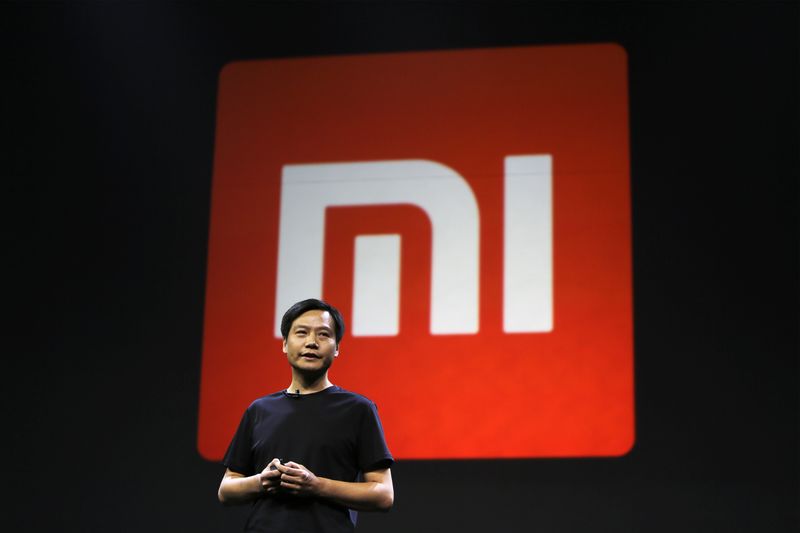
Jefferies Downgrades Xiaomi to Underperform Amid Weak Q1 Results
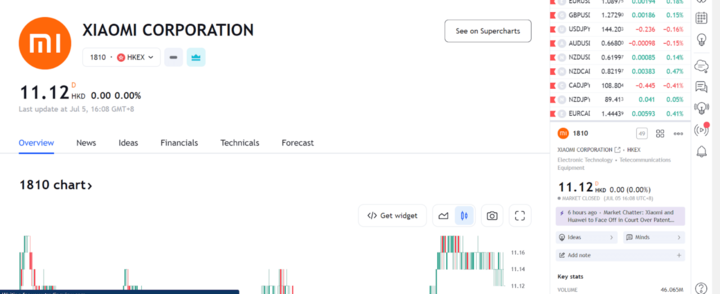
Xiaomi has long been the darling of the consumer electronics world, a master of balancing high-end specs with aggressive pricing. However, the latest financial performance reports suggest the company is entering a challenging “transition phase.” With Jefferies downgrading the stock to “Underperform” and highlighting a sharp contraction in profit margins, investors and tech enthusiasts are asking: Has the Xiaomi growth engine finally hit a wall?
The Margin Squeeze: Why Cheap Hardware is Costing Dearly
For years, Xiaomi’s strategy relied on a razor-thin margin model, banking on high volume to drive revenue. But the market has shifted. With approximately 60% of its smartphone portfolio positioned in the sub-$200 bracket, the company is disproportionately exposed to the volatility of memory chip prices and rising component costs.
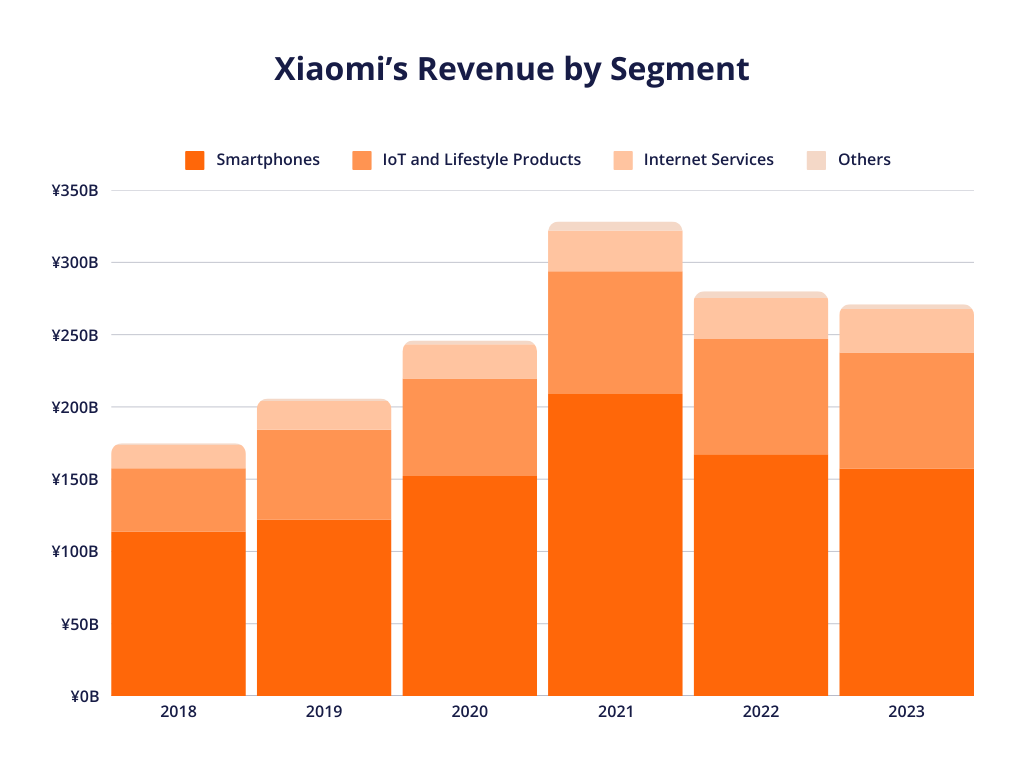
When component costs rise, premium manufacturers can pass the expense to the consumer. For budget-focused Xiaomi, raising prices risks alienating its core demographic. This creates a dangerous “margin trap”—where selling more phones actually puts more pressure on the bottom line.
The Electric Vehicle (EV) Reality Check
Xiaomi’s pivot into the electric vehicle space was hailed as a bold move to diversify beyond smartphones. Yet, the road to EV dominance is proving to be a capital-intensive marathon, not a sprint. Recent data indicates a significant drop in delivery units, attributed partly to model transitions and stiff competition in the Chinese market.
The challenge isn’t just manufacturing; it’s the sheer cost of R&D. With billions being funneled into AI and vehicle development, the company’s EBIT margins have plummeted. Analysts are now tempering expectations, questioning whether the EV division can achieve the scale necessary to offset the decline in legacy segments like AIoT (Artificial Intelligence of Things).
Is AI the Silver Bullet?
Xiaomi is betting big on AI to turn the tide. By integrating AI deeper into its ecosystem—from smart home devices to autonomous driving features—the company hopes to transition from a “hardware seller” to a “lifestyle service provider.” However, this shift requires massive upfront investment, which will likely keep pressure on cash flow for the foreseeable future.
What Lies Ahead for Investors?
The current market sentiment reflects a shift from “growth at all costs” to “profitable growth.” For Xiaomi, the path forward involves two critical levers:
- International Expansion: With domestic demand in China softening, the company’s 40% reliance on international revenue for its AIoT division is a vital safety net.
- Premiumization: Xiaomi must successfully move up-market. If the brand can convince budget buyers to upgrade to mid-to-high-tier devices, the margin pressure will begin to lift.
Frequently Asked Questions (FAQ)
Q: Why is Xiaomi’s profit margin dropping?
A: It is primarily due to rising component costs (like memory chips) and heavy R&D spending on new sectors like electric vehicles, which haven’t yet reached economies of scale.
Q: Is Xiaomi’s EV business failing?
A: Not necessarily. While deliveries have slowed due to model transitions and intense competition, the company maintains high production targets. It is currently in a “heavy investment” phase.
Q: Should I be worried about Xiaomi smartphones?
A: The smartphone market is saturated. Xiaomi’s success depends on its ability to maintain its market share in emerging economies while successfully selling more expensive, higher-margin models.
Disclaimer: This article is for informational purposes only and does not constitute financial advice. Always conduct your own research before making investment decisions.
What is your take on Xiaomi’s aggressive pivot into the EV market? Are they spreading themselves too thin, or is this the future of the brand? Share your thoughts in the comments below!