
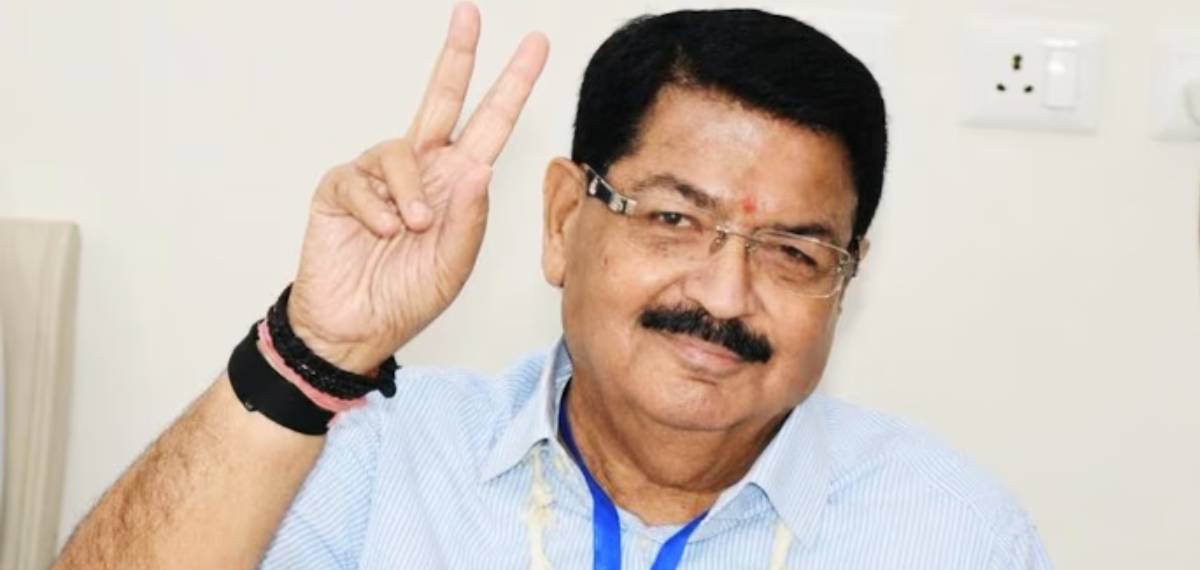
Jharkhand Rajya Sabha Elections: BJP-Backed Candidate Wins Amid Cross-Voting
Parmal Natwani, an NDA-backed independent candidate, won a Rajya Sabha seat from Jharkhand after cross-voting by four INDIA bloc members. Despite the INDIA alliance holding 56 seats compared to the NDA’s 24 in the 81-member assembly, Natwani secured the required 28 votes to defeat Congress candidate Pranav Jha.
How did cross-voting impact the Jharkhand Rajya Sabha result?
Cross-voting shifted the outcome in a contest where the INDIA bloc held a significant numerical advantage. According to the reports, the INDIA alliance—comprising the Jharkhand Mukti Morcha (JMM), Congress, and other partners—controlled 56 seats in the 81-member Jharkhand assembly. The BJP-led NDA held only 24 seats.

To win a seat, a candidate required at least 28 first-preference votes. Parmal Natwani reached exactly 28 votes, while Congress candidate Pranav Jha received 20. Three votes were declared invalid. Reports indicate that four votes from the INDIA bloc shifted to the NDA-backed candidate, specifically originating from the RJD and CPI(M)L.
Who is Parmal Natwani?
Parmal Natwani is a prominent businessman and corporate executive. This victory marks his fourth election to the Rajya Sabha. He previously served two terms from Jharkhand between 2008 and 2020 and was elected from Andhra Pradesh in 2020.
What may happen next in the alliance?
The revelation of cross-voting from RJD and CPI(M)L members could lead to internal friction within the INDIA bloc. Alliance leaders may seek to address the lack of voting cohesion to prevent similar outcomes in future elections.
Political reactions may intensify as the Congress party assesses the loss of a seat it was numerically positioned to win. This result could potentially prompt a review of how partner parties coordinate their first-preference votes during Rajya Sabha contests.
Frequently Asked Questions
Who won the Rajya Sabha seat in Jharkhand?
Parmal Natwani, an independent candidate supported by the NDA, won the seat.
How many votes were required to win the election?
A candidate needed a minimum of 28 first-preference votes from the 81-member assembly.
Which parties were reportedly involved in the cross-voting?
Reports indicate that votes from the RJD and CPI(M)L shifted to the NDA-backed candidate.
Do you think cross-voting in Rajya Sabha elections reflects a lack of alliance unity or strategic individual decision-making?