

Jump in crop development also increases disease & weed pressures
Michigan’s wheat crop is in early stages of harvest preparation, with 1% of the crop harvested and 60% rated good to excellent by the USDA as of June 22, 2026, according to Kaitlin Waibel, a Michigan Technical Service Representative for BASF. Warm, wet weather has accelerated weed development, particularly waterhemp, which is growing an inch per day in some areas, she said.
Waibel highlighted that rapid waterhemp growth complicates herbicide applications, as increased growing points may reduce treatment effectiveness. The state’s corn crop is 89% emerged with 73% rated good to excellent, while soybeans are 86% emerged with 61% in good to excellent condition, per USDA data.
The spread of tar spot in the Midwest underscores the need for fungicide plans, Waibel said, as the disease threatens crop yields. Farmers are advised to monitor conditions closely and implement integrated pest management strategies.
The combination of favorable soil moisture and rising temperatures has created ideal conditions for both crop development and weed proliferation. However, the need for multiple herbicide applications increases costs and logistical demands for growers, according to Waibel.
While current crop conditions remain stable, the emergence of tar spot in the Midwest raises concerns about potential yield losses, particularly in soybean and corn fields. Farmers are advised to consult local extension services for region-specific management recommendations.
What is the current status of Michigan’s wheat crop?
As of June 22, 2026, 1% of Michigan’s wheat crop has been harvested, with 60% rated good to excellent by the USDA.
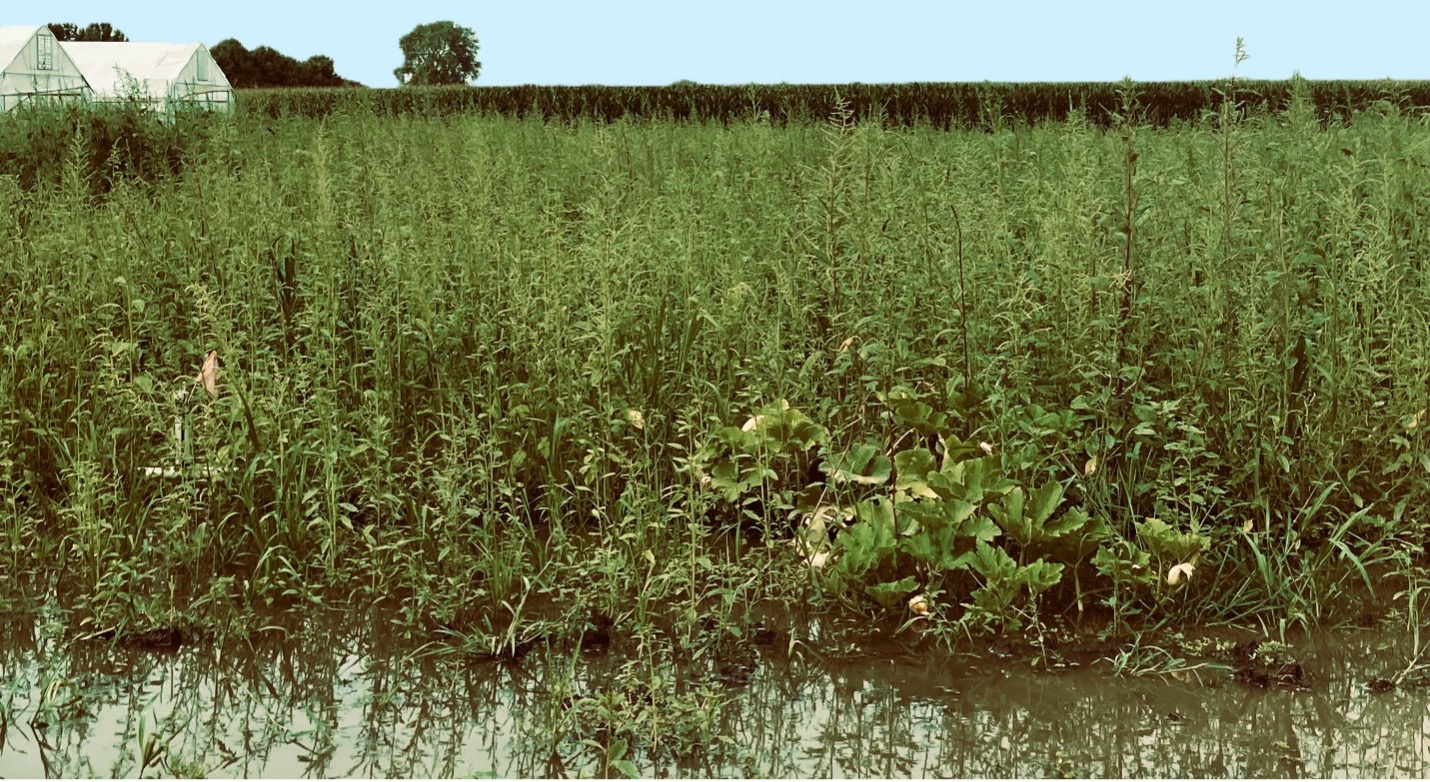
How does waterhemp growth impact farming practices?
Waterhemp’s rapid growth rate—up to an inch per day—requires frequent herbicide applications, increasing management complexity and costs for farmers.
What are the crop conditions for corn and soybeans in Michigan?
Corn is 89% emerged with 73% rated good to excellent, while soybeans are 86% emerged with 61% in good to excellent condition, according to USDA data.
How might ongoing weather patterns influence future crop management strategies in Michigan?