

Jury finds Alvin Campbell guilty on 21 of 22 rape and assault charges
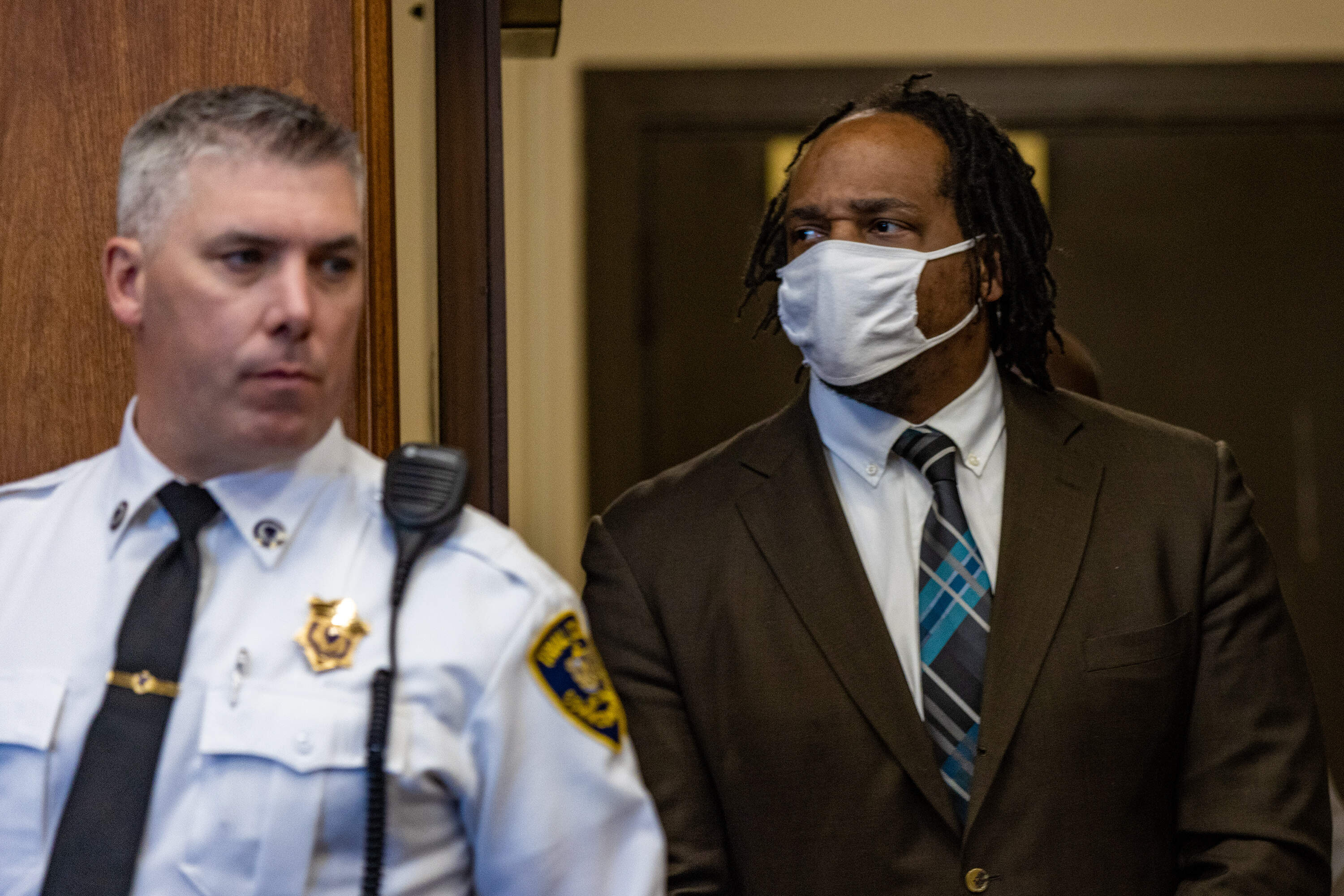
A Suffolk Superior Court jury convicted Alvin Campbell Jr. on 21 of 22 charges Thursday, including aggravated rape and kidnapping, following a two-week trial. Judge Mary Ames declared a mistrial on one remaining rape count after jurors reached a deadlock. Campbell, who posed as a ride-share driver to target intoxicated women, faces sentencing on June 29, according to court records.
How did the prosecution build the case against Campbell?
Prosecutors Erin Murphy and Lynn Feigenbaum centered their case on the theory that Campbell systematically targeted vulnerable women leaving Boston bars. According to Suffolk County District Attorney Kevin Hayden, the defendant “cunningly, deceivingly, and calculatedly preyed upon women in their most vulnerable moments.” The investigation began in 2020 after a victim reported being kidnapped and raped by a man pretending to be her Uber driver. Subsequent police searches of the defendant’s digital devices uncovered photos and videos of additional victims, which formed the basis for the multi-count indictment.
What was the defense’s argument regarding consent?
Defense attorney Andrew Courossi argued that the encounters were consensual, contending that the victims were not incapacitated despite their level of intoxication. During cross-examination, the defense highlighted moments from video evidence and testimony where victims appeared to be flirting or acting friendly toward Campbell. Courossi sought to frame these interactions as evidence that the women had initiated or willingly participated in the sexual acts. This strategy contrasts with the prosecution’s focus on the digital evidence showing victims in a state of unconsciousness.
Aggravated rape in Massachusetts carries a potential sentence of up to life in prison. Following the guilty verdicts, prosecutors opted against pursuing additional habitual offender enhancements, which would have triggered a separate legal proceeding.
Why was the request to poll the jury denied?
Judge Mary Ames denied a request from the defense to poll individual jurors regarding each of the 22 counts. According to the court, the judge observed “absolutely no manifestations of dissent” among the jury members as the foreman read the verdicts. Under Massachusetts law, the court maintains discretion in polling procedures if the judge is satisfied that the verdict reflects the collective agreement of the jury. The jury had deliberated for nearly a week, spending eight hours specifically on the count that resulted in a mistrial.
Future trends in ride-share safety and legal accountability
The Alvin Campbell case highlights ongoing risks associated with “imposter” ride-share drivers, a concern that has prompted increased scrutiny of safety protocols by major platforms like Uber and Lyft. Legal experts note that cases involving digital evidence—such as the photos and videos recovered in this investigation—are becoming central to prosecuting serial sexual assault cases. As prosecutors increasingly rely on non-consensual recordings as primary evidence, the legal definition of “incapacitation” in Massachusetts courts remains a critical focal point for both defense and prosecution strategies.
Frequently Asked Questions
- When will Alvin Campbell Jr. be sentenced?
Campbell is scheduled for sentencing on June 29. - What charges was he convicted of?
The jury returned guilty verdicts on three counts of aggravated rape, four counts of rape, two counts of kidnapping, three counts of indecent assault and battery, one count of assault with intent to rape, seven counts of recording a nude person, and one count of photographing an unsuspecting nude person. - Why was there a mistrial on one charge?
Judge Mary Ames declared a mistrial on a single rape count after the jury remained deadlocked following eight hours of deliberation on that specific charge.
For more updates on this case and other legal developments in Suffolk County, subscribe to our newsletter or check our archives for ongoing coverage of regional criminal trials.