K2 Tank Gains Edge as Franco-German MGCS Project Stalls
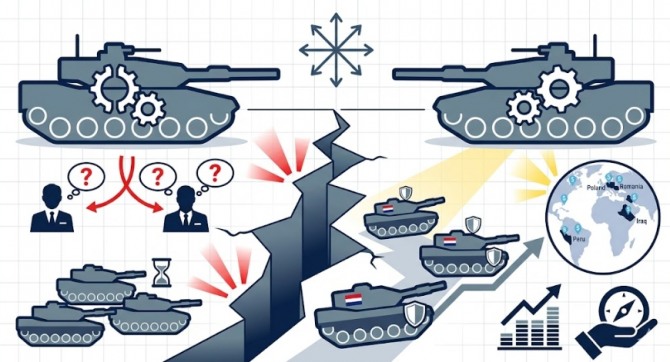
The joint MGCS (Main Ground Combat System) tank project between Germany and France has entered a period of long-term instability after the French government reduced its budget to less than half of the original plan. This rift, reported by Welt am Sonntag, creates a potential decade-long gap in European ground power that may accelerate procurement opportunities for South Korea’s K2 tank.
Why is the MGCS project failing?
France decided to slash its budget contributions due to worsening national finances, according to source reports. This move has destabilized the defense alliance between Paris and Berlin, following similar conflicts that hindered the FCAS next-generation fighter jet project.
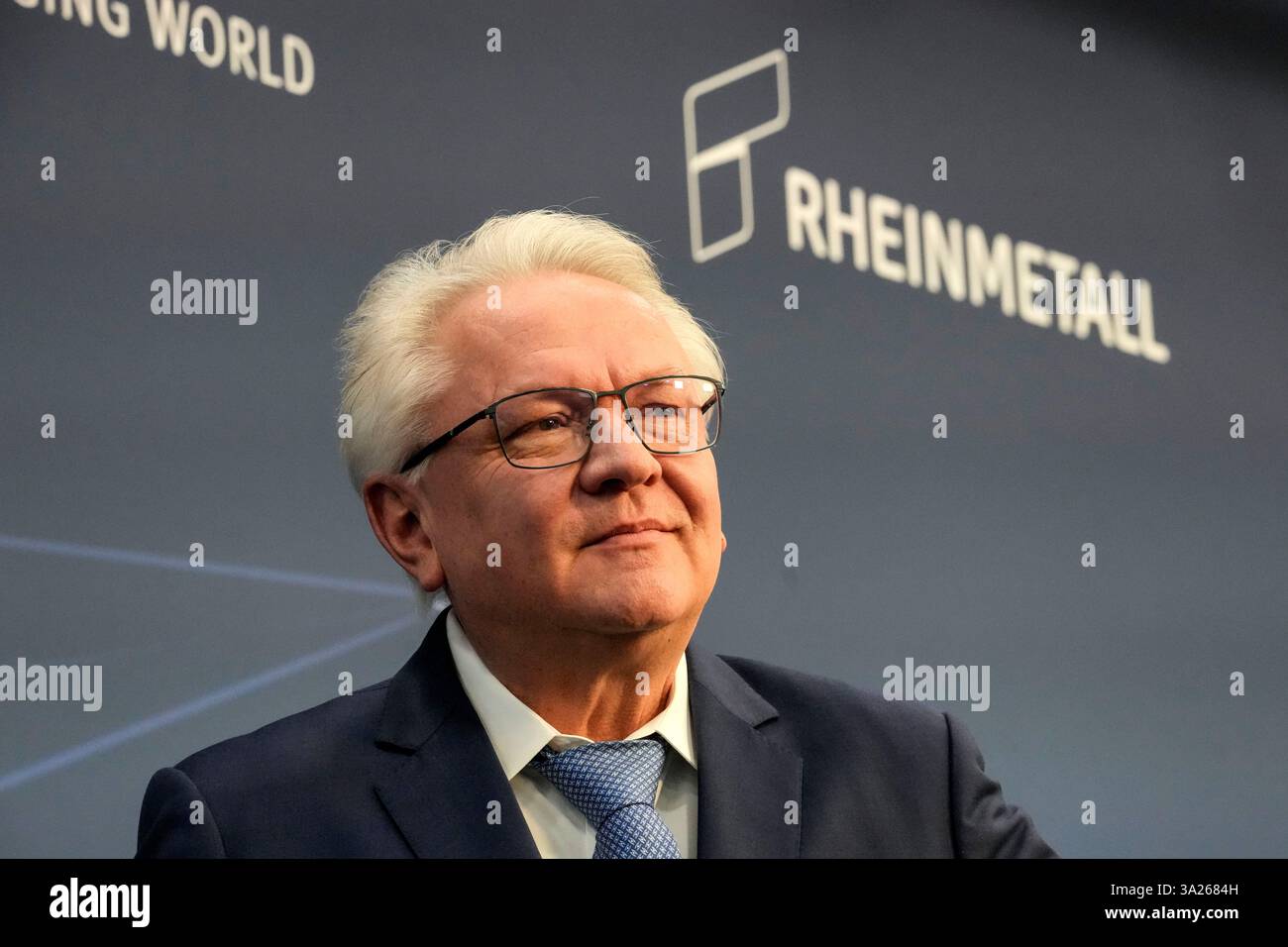
Armin Papperger, CEO of Rheinmetall, told Welt am Sonntag on Oct. 13 that he questions whether the MGCS can be completed as scheduled. The project intended to build a system incorporating unmanned-manned teaming (MUM-T) and drone control technology.
Financial records show the four defense companies involved have received only 25 million euros in cumulative funding, a sum typical of early research and development. The French military outlet Meta-Defense suggests this lack of investment could push actual deployment from the original 2035 target to after 2045.
How is Germany responding to the rift?
Germany has officially pursued a solo path to ensure its own defense capabilities. KNDS and Rheinmetall are now developing the “Leopard 3,” a next-generation tank featuring a 130mm smoothbore gun.
The German government aims to deploy the Leopard 3 to frontline units by the early 2030s. Industry officials suggest this shift leaves a vacuum in European autonomous defense for at least 10 years.
What are the opportunities for South Korean firms?
The gap in European production may increase momentum for the K2 tank, produced by Hyundai Rotem. Eastern European nations requiring urgent replacements for aging fleets may view South Korean systems as the most realistic alternative due to proven performance and fast delivery.
Hyundai Rotem has already secured a general contract for 1,000 K2 tanks with Poland. The company is currently a leading candidate for Romania’s main battle tank project, estimated at 11 trillion won.
Financial data indicates Hyundai Rotem’s new order pipeline for the coming year is estimated at 32 trillion won. This includes final negotiations for 250 units in Iraq and 54 units in Peru. Last year, the company reported revenue of 5.839 trillion won and an operating profit of 1.056 trillion won.
What risks do K-defense companies face?
The entry of the Leopard 3 into mass production in the early 2030s could trigger direct competition with the K2 tank. The Leopard series benefits from a wide existing user base in Europe, which creates a powerful infrastructure advantage.
Political barriers also exist. Hanwha Aerospace recently faced political pressure while competing against Rheinmetall’s Lynx KF41 for a 6 trillion won infantry fighting vehicle (IFV) project in Romania.
Additionally, the European Union’s “SAFE” financial program may provide incentives for member states to buy EU-made weapons. This could act as a non-tariff barrier regardless of price competitiveness. Analysts suggest South Korea may need to enhance defense financing and establish local joint ventures to move beyond being a “niche substitute.”
Key variables for future valuation
- Leopard 3 Timeline: The speed of Germany’s main contract for the Leopard 3 could trigger a reshuffling of the European market by the early 2030s.
- Romania Bid: The result of the 11 trillion won tank project will determine if the K2 can successfully expand deeper into mainland Europe.
- Poland Second Contract: The finalization of financing for the remaining 640 units in Poland is expected to directly impact Hyundai Rotem’s short-term earnings and valuation.
Frequently Asked Questions
What is the MGCS?
The Main Ground Combat System is a joint project between Germany and France to develop a next-generation ground combat system featuring new tanks, drone control, and unmanned-manned teaming.
Why is the project delayed?
The French government reduced its budget to less than half of the original plan due to financial deterioration, leading to a lack of investment and political disagreement.
What is the “SAFE” program?
It is an EU defense financial program that provides incentives for member states to purchase weapons manufactured within the European Union.
Will the immediate need for tank replacements in Eastern Europe outweigh the long-term infrastructure advantages of European-made systems?