
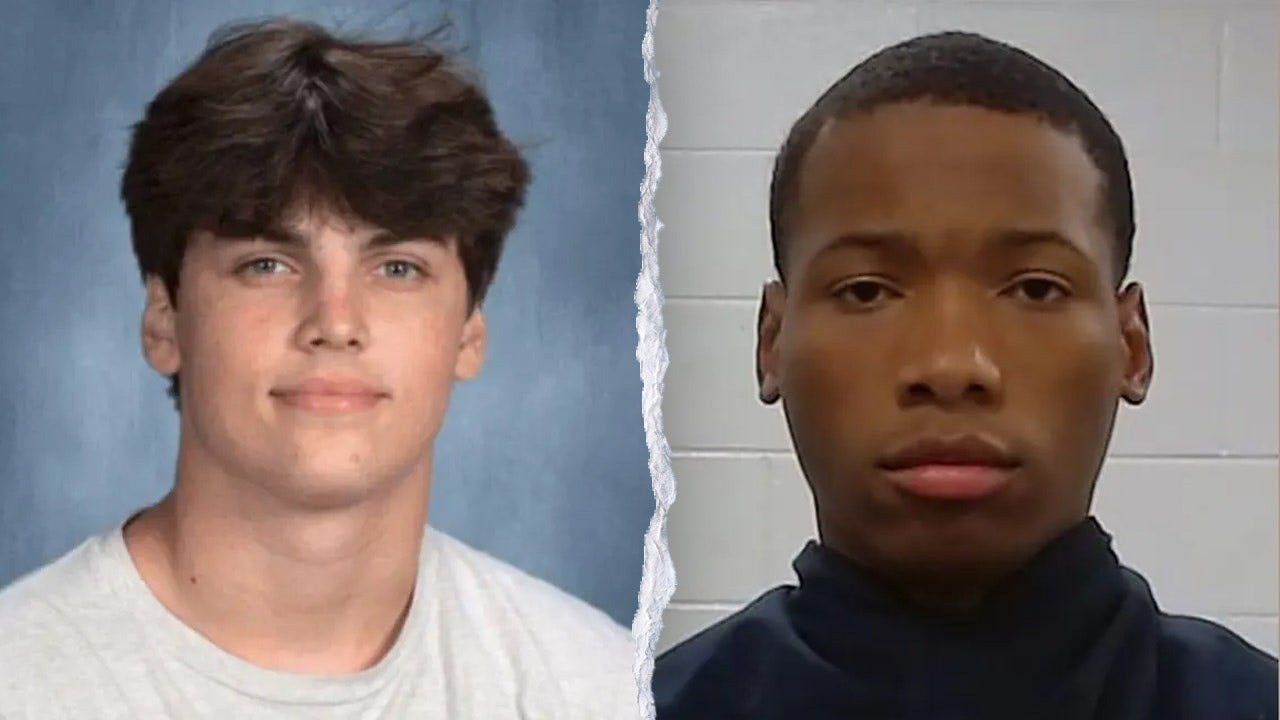
Karmelo Anthony Sentenced to 35 Years for Austin Metcalf Murder
Karmelo Anthony has been sentenced to 35 years in prison following his conviction for the first-degree murder of 17-year-old Austin Metcalf. The sentencing concluded a high-profile trial in Collin County, Texas, stemming from a fatal stabbing that occurred at a high school track meet in Frisco on April 2, 2025.
Did You Know? Karmelo Anthony will be eligible for parole after serving half of his 35-year sentence, according to court records from the proceedings.
The Path to Conviction
The incident began as a confrontation between two teenagers beneath a Memorial High School team tent at Kuykendall Stadium. Witnesses at the trial testified that Anthony was asked to leave the area approximately 15 times before the dispute escalated into violence. Anthony, who was 17 at the time of the stabbing, admitted to the act but maintained throughout the legal process that he was acting in self-defense.
Prosecutor Bill Wirskye rejected the self-defense claim during the trial, telling jurors that a verbal dispute does not justify a lethal response. Following approximately three hours of deliberation, the jury returned a guilty verdict on June 9, 2026. The jury also declined to find that Anthony acted under “sudden passion,” a designation that could have resulted in a lighter sentence.
Impact of the Verdict
The courtroom proceedings included emotional victim impact statements from the Metcalf family. Jeff Metcalf, the victim’s father, addressed Anthony directly, stating that the family had been “robbed” and emphasizing that the tragedy was not a matter of race or politics. Hunter Metcalf, the victim’s twin brother, testified about his attempt to stop the bleeding at the scene, telling the court he saw his brother’s soul leave during the final moments.
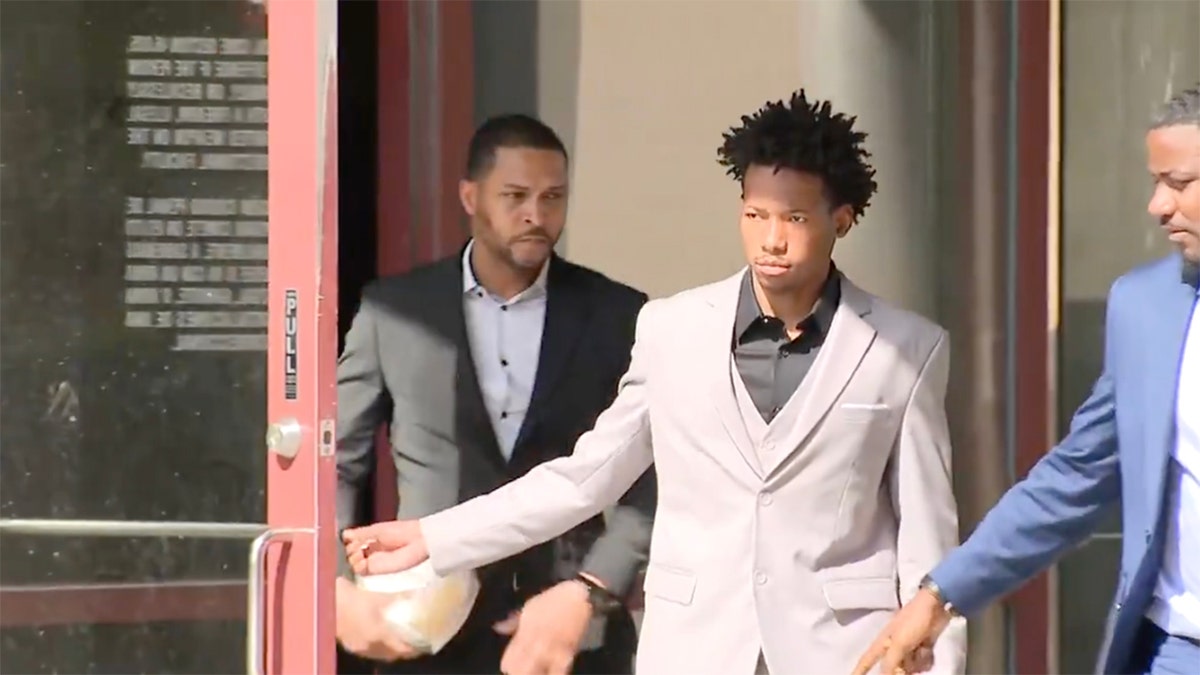
Expert Insight: The legal strategy for an appeal may involve a “Batson claim,” which challenges the process of jury selection. According to former U.S. Attorney Cully Stimson, such claims focus on whether jurors were excluded based on race, a factor that could become a central point of contention as the defense moves to a higher court.
What Happens Next
Following the sentencing, Anthony’s legal team filed a notice of appeal on June 10, 2026. Attorneys are expected to ask a higher court to review both the murder conviction and the length of the prison term. While the appeal moves forward, Anthony has been transferred to the Texas Department of Criminal Justice’s Pack Unit near Navasota to begin serving his time.
The case remains a subject of intense public debate, fueled by earlier controversies including a large online fundraiser and social media reactions. As the appellate process begins, the legal focus will shift to identifying potential procedural errors that could influence the outcome of the conviction.
Frequently Asked Questions
What was the primary defense used during the trial?
Karmelo Anthony’s defense attorney, Mark Howard, argued that Anthony acted in self-defense because he feared for his safety after being confronted by a larger student.
Did the jury find evidence of “sudden passion”?
No. The jury rejected the finding of “sudden passion,” which would have been a factor in potentially reducing the prison sentence.
What is the basis for the upcoming appeal?
Former U.S. Attorney Cully Stimson noted that the appeal may include a “Batson claim,” which challenges the jury selection process, as part of the defense’s effort to contest the conviction.
How do you believe the legal system should balance public scrutiny with the need for a fair trial in high-profile cases?