

Katy Perry Climbs To New Career Peaks On Several Charts At Once
In the digital music era, the lifespan of a pop hit is no longer defined by its initial release date. Katy Perry’s Teenage Dream era serves as the ultimate case study in how social media virality can breathe new life into legacy catalogues. As “The One That Got Away” climbs the Billboard Global 200 fifteen years after its debut, it signals a massive shift in how labels and artists should approach their back catalogues.
The “Viral Resurgence” Phenomenon
We are witnessing the “TikTok-ification” of music history. Songs that were once considered “past their prime” are suddenly finding massive audiences through short-form video trends, fan-made edits, and nostalgia-driven playlists. This isn’t just a fluke; it’s a structural change in music consumption.
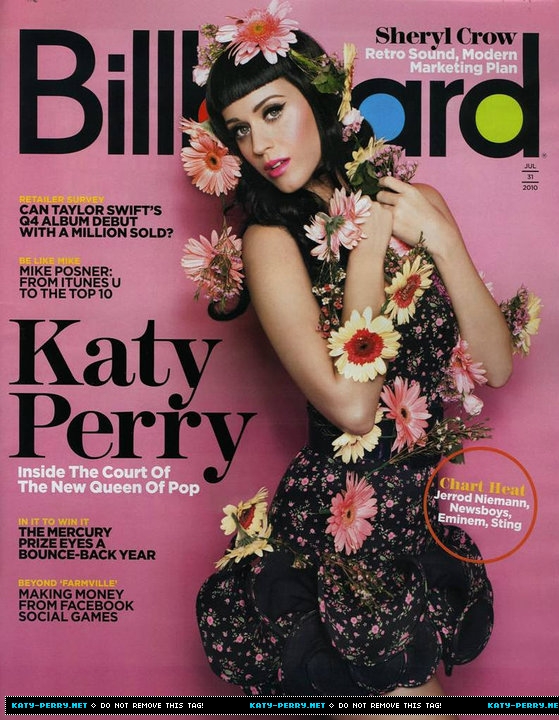
When a legacy track like “The One That Got Away” hits new chart peaks, it proves that the algorithm—not the traditional radio cycle—is the new kingmaker. For artists, Which means their entire discography is now “active” inventory, capable of generating significant revenue and cultural relevance long after the marketing budget for an album cycle has evaporated.
Streaming platforms like Spotify and Apple Music prioritize engagement over release dates. A 15-year-old song that sees a sudden spike in daily streams is treated by the algorithm exactly like a brand-new track, often pushing it onto influential playlists like “Today’s Top Hits.”
Why Legacy catalogues are the New Gold Mine
For major labels and independent artists alike, the strategy is shifting from “next single” to “catalogue management.” Here is why we are seeing more artists like Perry find success with older material:
- Nostalgia Cycles: Gen Z listeners are discovering early-2010s pop, creating a cultural bridge between the original fans and a new, younger demographic.
- Algorithmic Discovery: Once a song gains traction on social platforms, the metadata-driven recommendations on streaming services do the heavy lifting to keep the momentum going.
- Physical Re-releases: Limited edition vinyl and updated digital deluxe versions allow labels to monetize the renewed interest in classic albums.
Pro Tip: How to Revive Your Own catalogue
If you are an independent musician, don’t leave your old tracks to gather digital dust. Pro Tip: Create “reimagined” content. Post a “behind-the-scenes” story about the writing process of an old song, or create a short-form video using a trending audio template. You don’t need a massive budget; you just need to provide a new context for an old sound.

Future Trends in Music Consumption
Looking ahead, we expect to see more “retro-active” marketing. Instead of just pushing a new album, artists will likely integrate their greatest hits into new tour setlists and digital experiences to ensure their older work remains in the conversation.
The success of Teenage Dream on the Billboard 200 after nearly 500 weeks is a testament to the fact that great songwriting is timeless. The future of the industry belongs to those who view their music as a living, breathing archive rather than a disposable product.
Frequently Asked Questions
- Why do old songs suddenly go viral?
- Usually, it starts with a social media trend (like a dance challenge or an aesthetic edit) that introduces the song to a new audience who may not have been listening when it was first released.
- Does an old song charting affect an artist’s new releases?
- Absolutely. It keeps the artist’s name in the public consciousness and boosts their overall profile, which often creates a “halo effect” that helps their newer projects gain traction.
- Can any song become a “viral” hit years later?
- While it’s difficult to predict, songs with strong melodies and universal lyrical themes—like those found on Teenage Dream—are much more likely to resonate with new generations.
What’s your take? Have you found yourself obsessing over a song from a decade ago because of a viral trend? Let us know in the comments below, or subscribe to our newsletter for more deep dives into the music industry’s shifting landscape.