

Kenvue RGM and Pricing Analyst – Brazil & Mexico
Revenue Growth Management (RGM) in the consumer health sector is shifting toward dynamic, data-driven pricing to protect margins against inflation. According to Kenvue’s current operational requirements for Brazil and Mexico, this strategy involves integrating SAP-managed price structures with real-time market elasticity analysis to optimize revenue across diverse retail channels.
Why is RGM becoming the priority for consumer health in Latin America?
Market volatility in Brazil and Mexico forces companies to move away from static annual pricing. Kenvue’s focus on “price increase processes” and “list adjustments” reflects a broader industry trend where agility outweighs traditional planning cycles. When raw material costs spike, a delay in price execution leads to immediate margin erosion.

McKinsey & Company reports that companies utilizing advanced RGM frameworks can see a 2% to 5% increase in organic growth. In Latin America, this isn’t just about raising prices. It’s about “price architecture”—ensuring that a bottle of Listerine or a pack of Band-Aids is priced correctly for a high-end pharmacy versus a discount wholesaler.
How does the “Price Ladder” influence consumer buying habits?
A price ladder organizes products from entry-level to premium tiers. Kenvue’s emphasis on “packs & price ladder” suggests a strategy to capture different consumer segments. For example, a small, affordable pack of Neutrogena cream serves the “trial” buyer, while a value-sized pack targets the loyal, heavy user.

This approach prevents “cannibalization,” where a cheaper version of a product steals sales from a more profitable one. By analyzing elasticity—how much demand drops when price rises—companies determine exactly where to place the next rung on the ladder. If a 5% price hike in Mexico doesn’t lower volume, the “ladder” has room to move up.
What role does automation play in pricing governance?
Manual spreadsheets are becoming a liability. Kenvue’s requirement for SAP expertise and “transformation of pricing tools” points to a push for automation. Automated systems reduce “leakage”—the gap between the official list price and the actual price paid after discounts and rebates.
Governance is also tied to legal requirements. The mention of SOX (Sarbanes-Oxley) compliance indicates that pricing changes must be traceable and audited. In large organizations, an unauthorized discount given to a major retailer can cost millions in lost revenue. Automation ensures every price change has a digital paper trail.
How do companies balance margin growth with market share?
The tension between the Finance department (which wants higher margins) and the Sales department (which wants more volume) is constant. RGM acts as the mediator. By using “mix analysis,” analysts identify which products are “profit drivers” and which are “traffic builders.”
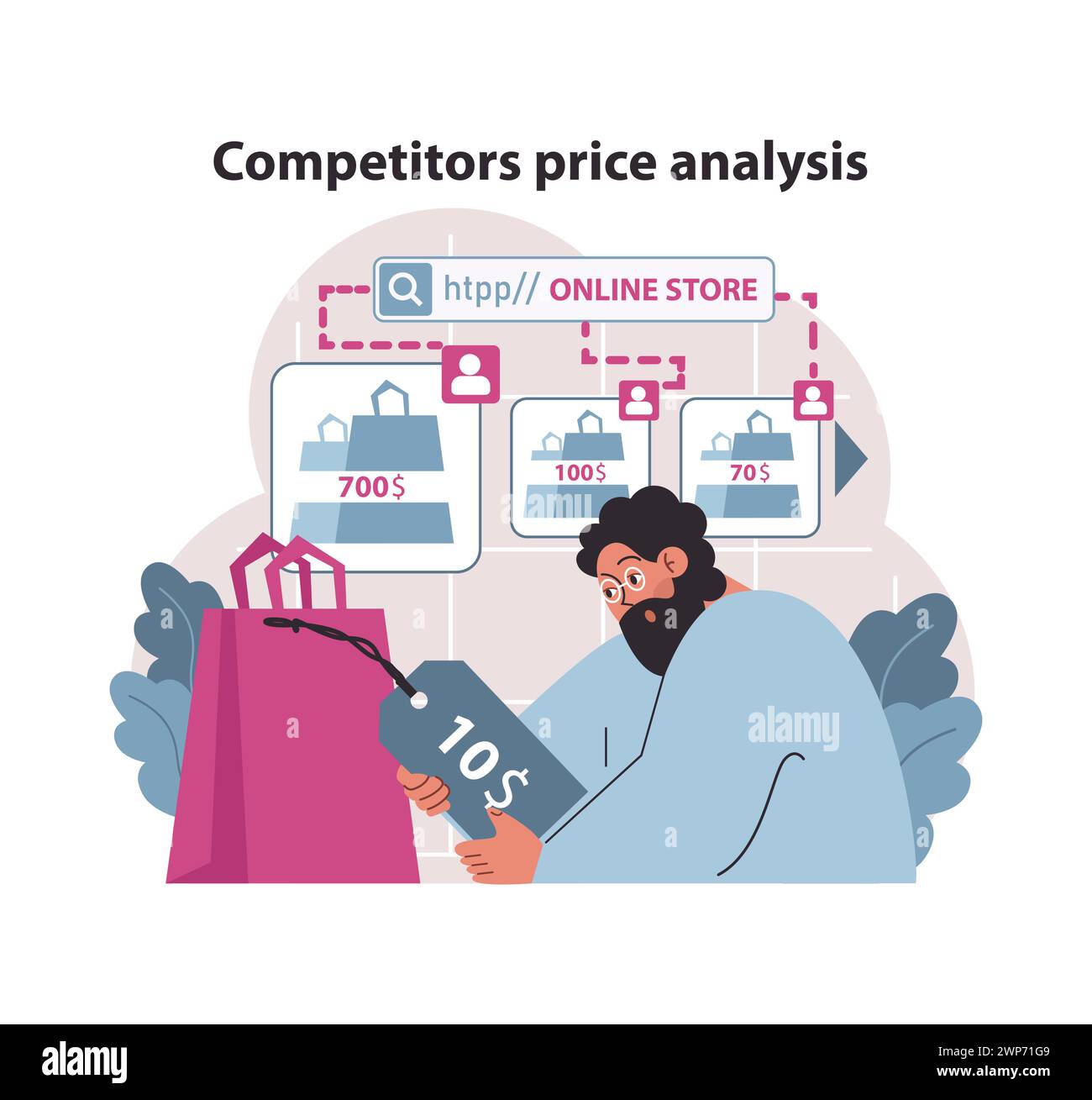
A “traffic builder” might be a low-margin Tylenol pack that gets the customer into the store. Once there, the customer may buy a high-margin skincare product. According to industry benchmarks, optimizing the “product mix” is often more effective for growth than blanket price increases, which can alienate price-sensitive consumers in emerging markets.
Frequently Asked Questions
Pricing is the act of setting a price. RGM is a holistic strategy that includes pricing, promotion optimization, assortment management, and trade spend to drive profitable growth.
SAP serves as the “single source of truth” for commercial conditions. It ensures that the price set by the RGM team is the same price executed at the cash register.
Price elasticity measures how sensitive consumers are to a change in price. High elasticity means a small price increase leads to a large drop in sales.
Want to stay ahead of the curve in Consumer Health and RGM? Share your thoughts on the shift toward dynamic pricing in the comments below or subscribe to our newsletter for more industry deep-dives.