
Khamenei Urges National Unity Amid Iran-US Deal Controversy
Iran’s Supreme Leader Ayatollah Ali Khamenei has called for “national unity” via his official Telegram account to counter U.S. influence amid domestic disputes over a proposed memorandum of understanding. The call follows protests in Tehran and criticism from conservative lawmakers regarding the clarity of sanctions relief and the release of frozen assets.
Why is Iran’s leadership calling for national unity now?
Supreme Leader Khamenei issued the call to prevent political infighting from undermining the state’s position against the U.S., which he termed the “great satan.” According to the Telegram post, national unity is the most critical element for victory. He specifically urged politicians to avoid disputes that damage social cohesion.
This directive comes as a direct response to growing friction between the Iranian government’s negotiating wing and hardline factions. The tension centers on a memorandum of understanding (MoU) intended to ease tensions with Washington.
What are the sticking points in the Iran-US memorandum?
The proposed agreement involves significant concessions from Tehran. According to Mahmud Nebeviyan, a conservative member of the Iranian Parliament, the text includes provisions for the unrestricted and free opening of the Strait of Hormuz and the dilution of uranium stockpiles.
However, Nebeviyan questioned whether the document actually secures Iranian national interests. He cited critical uncertainties regarding three main points:
- The definitive lifting of U.S. sanctions.
- The legal mechanism for releasing frozen Iranian assets.
- The guaranteed access to a specific $300 billion fund.
While the government pushes for economic relief, hardliners argue that offering strategic concessions—like uranium dilution—without guaranteed financial returns is a strategic failure.
How are Iranian lawmakers and the public reacting?
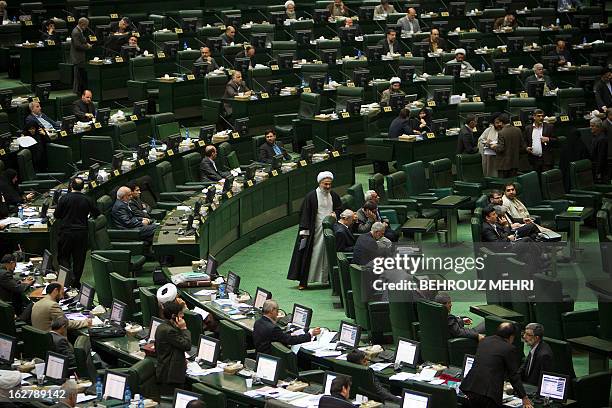
Opposition to the talks isn’t limited to the parliament. Groups of Iranians gathered at Ibni Sina Square in Tehran to protest the negotiations. Protesters targeted the leadership of the diplomatic effort, shouting slogans against Foreign Minister Abbas Araghchi and Parliament Speaker Mohammad Baqir Qalibaf.
The contrast is sharp. While the Supreme Leader calls for a united front on Telegram, the streets of Tehran and the halls of the Majlis show a fragmented political landscape. This divide mirrors previous Iranian nuclear negotiations where the “moderates” and “hardliners” clashed over the price of sanctions relief.
What happens next for Iran-US relations?
The future of the MoU depends on whether the government can satisfy the conservative wing’s demand for concrete financial guarantees. If the $300 billion fund remains a point of contention, domestic pressure may force the negotiating team to backtrack on the Strait of Hormuz or uranium concessions.
According to the current trajectory, the Iranian leadership will likely prioritize internal stability to prevent the protests at Ibni Sina Square from expanding. This makes Khamenei’s call for unity more of a warning to political rivals than a simple request for cooperation.
Frequently Asked Questions
What is the “great satan” mentioned by Khamenei?
This is a long-standing term used by the Iranian leadership to refer to the United States.
Why is the $300 billion fund important?
These are Iranian assets frozen in overseas accounts due to U.S. sanctions. Regaining access to these funds is a primary goal for Iran to stabilize its struggling economy.
Who is Abbas Araghchi?
He is the Iranian Foreign Minister and a key figure in the negotiations with the U.S.
What is the significance of uranium dilution?
Diluting enriched uranium reduces the material available for a potential nuclear weapon, which is a primary demand of Western powers in exchange for sanctions relief.
Join the conversation: Do you think economic relief is worth the strategic concessions Iran is considering? Let us know in the comments below or subscribe to our newsletter for deeper geopolitical analysis.