
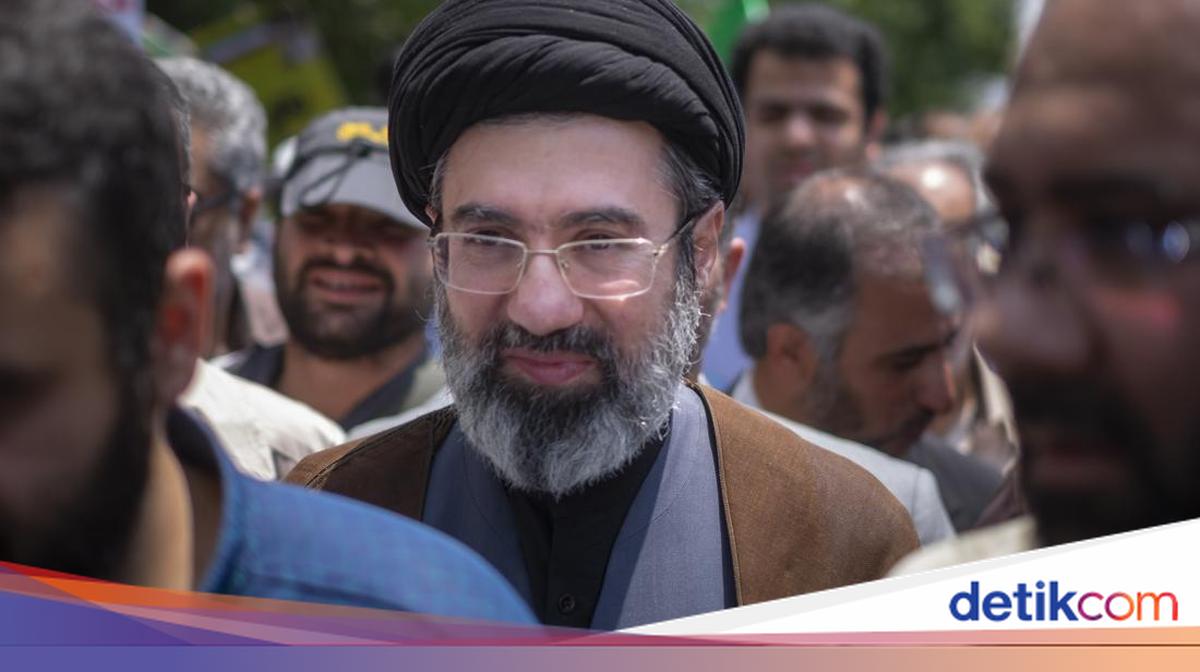
Khamenei’s Advisor Accuses Trump of Betraying Diplomacy for Third Time
Tensions between Washington and Tehran have reached a critical juncture as both sides signal that a definitive decision regarding potential conflict or reconciliation is imminent. High-level rhetoric from both the United States and Iranian leadership suggests that the window for traditional diplomatic channels may be closing rapidly.
Mohsen Rezaei, a senior advisor to Iran’s Supreme Leader and former commander of the Islamic Revolutionary Guard Corps (IRGC), has publicly characterized the current U.S. Approach as a betrayal of diplomacy. According to statements made on social media, Iran views the ongoing maritime blockade and the nature of U.S. Negotiating demands as evidence that the current administration is pursuing objectives beyond standard diplomatic engagement.
The Stakes of the Impasse
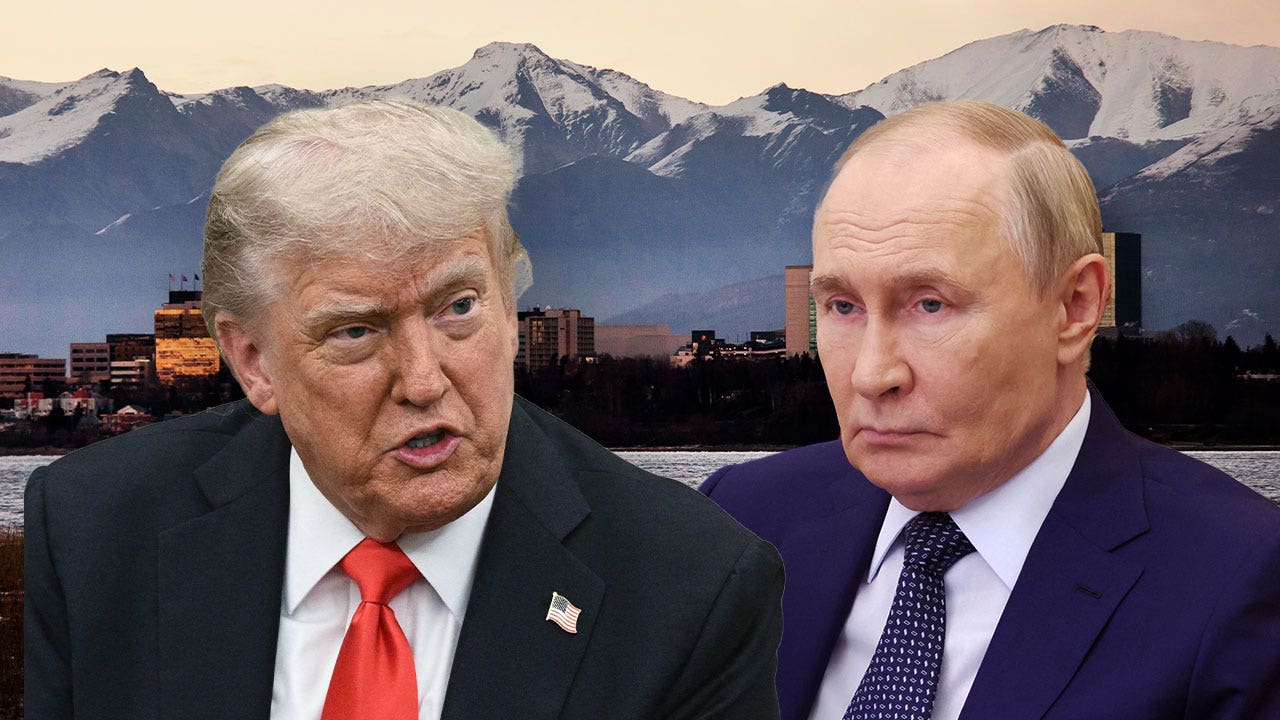
President Donald Trump has indicated that he is currently convening meetings in the Situation Room to finalize a decision on whether to pursue a peace agreement with Iran. The U.S. Position remains centered on stringent requirements, specifically that Iran must provide guarantees against the development of nuclear weapons and ensure the security of shipping lanes through the Strait of Hormuz. The U.S. Has proposed a framework for the removal and destruction of Iran’s enriched uranium reserves, to be conducted in coordination with the International Atomic Energy Agency.
The situation remains volatile, with Iran signaling that it is prepared to challenge the maritime blockade. Rezaei has publicly stated that Iran could seek to break the blockade through direct action if negotiations fail. As the U.S. Evaluates its final course of action, the potential for escalation remains a primary concern for regional stability.
President Donald Trump has explicitly stated that his administration’s goal includes the physical removal and destruction of Iran’s enriched uranium supplies, to be executed in cooperation with the International Atomic Energy Agency.
The current standoff reflects a fundamental breakdown in trust. By framing the U.S. Demands as “excessive,” Tehran is signaling that the barrier to entry for a new agreement may be too high for their current political mandate. Conversely, the U.S. Insistence on the physical destruction of nuclear material suggests that Washington is prioritizing permanent disarmament over incremental diplomatic progress.
Future Implications and Scenarios
As both nations stand at this crossroads, the path forward remains uncertain. A possible next step involves the outcome of the meetings currently being held in the U.S. Situation Room, which may dictate whether the two nations pivot toward a formal peace agreement or a further hardening of military postures.
Analysts suggest that if diplomatic efforts are deemed exhausted by either party, the risk of direct confrontation in the maritime theater could increase. Because Iran has explicitly stated it monitors U.S. Movements, any miscalculation in the Strait of Hormuz could trigger a rapid shift from negotiation to open conflict. Observers remain focused on whether the U.S. Decision-making process will prioritize economic and diplomatic pressure or if the situation will deteriorate into the “dark tunnel” of war described by Iranian officials.
Frequently Asked Questions
What are the U.S. Demands for a potential peace deal?
The U.S. Has stipulated that Iran must agree to never possess nuclear weapons, ensure the safety of the Strait of Hormuz, and cooperate in the removal and destruction of its enriched uranium reserves.
How has Iran responded to the current U.S. Stance?
Iran, through senior advisor Mohsen Rezaei, has rejected the U.S. Demands as “excessive” and warned that it may attempt to break the current maritime blockade through either negotiation or direct action.
What is the current status of the decision-making process?
President Trump has announced that he is meeting in the Situation Room to make a final decision regarding the prospect of a peace agreement with Iran or the continuation of the current conflict.
Given the high stakes involved in these negotiations, do you believe that a diplomatic resolution is still a viable outcome for both nations?