
Khiara Bridges: Uncovering Racial Inequities in Pregnancy Care
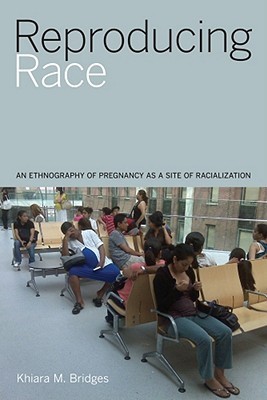
Anthropologist and lawyer Khiara Bridges found that obstetric care for uninsured people and U.S. Medicaid recipients is often marked by stereotyping and implicit contempt. In her 2011 book, Reproducing Race: An Ethnography of Pregnancy as a Site of Racialization, Bridges documented these systemic inequities in pregnancy outcomes between Black and White people.
Why do pregnancy outcomes differ by race?
Inequities in pregnancy outcomes between Black and White people stem from how care is delivered, according to Bridges. Her research identifies the obstetric environment as a site of racialization.
Bridges observed that the quality of care often shifts based on the patient’s racial identity. This disparity manifests in the way medical professionals interact with patients during pregnancy.
How does insurance status affect obstetric care?
Patients using government health insurance for low-income individuals (Medicaid) or those who are uninsured often receive a different standard of treatment. Bridges uncovered that advanced obstetric care for these groups is frequently delivered with implicit contempt.

This treatment includes the use of stereotyping by healthcare providers. Such biases impact how Medicaid recipients are treated within the healthcare system, according to the anthropologist’s findings.
What may happen next to address these inequities?
Healthcare systems could implement training to address the implicit contempt identified by Bridges. A possible next step may involve restructuring how care is delivered to Medicaid recipients to eliminate stereotyping.
Future policy shifts might focus on the intersection of insurance status and racial identity. Analysts expect that addressing these social determinants could lead to more equitable outcomes for Black patients.
Frequently Asked Questions
Who is Khiara Bridges?
Khiara Bridges is a lawyer and anthropologist who studies inequities in pregnancy outcomes.
What did the book “Reproducing Race” uncover?
Published in 2011, the book uncovered that advanced obstetric care for uninsured people or U.S. Medicaid recipients was often delivered with stereotyping and implicit contempt.
Which groups experience these disparities in obstetric care?
Bridges’ work highlights inequities in pregnancy outcomes between Black and White people, specifically affecting those who are uninsured or rely on Medicaid.
How can healthcare providers better identify and eliminate implicit biases in maternal care?