

Kidney Cancer: Symptoms, Risk Factors, and Treatments Explained
On this World Kidney Cancer Day, June 18, health organizations are highlighting the impact of a disease projected to affect 9,774 people in Spain this year. According to the Society of Spanish Medical Oncology (SEOM), these new diagnoses underscore the importance of early detection for this condition, which begins in the organs responsible for filtering blood and regulating blood pressure.
Did You Know? Fumar cigarrillos is linked to a significant health impact, as it increases the risk of developing renal cell carcinoma by approximately 40%, according to the University of Navarra Clinic.
Understanding Kidney Cancer Symptoms
Kidney cancer often presents without noticeable symptoms during its early stages, according to the American Kidney Fund. As the disease progresses, patients may experience persistent side or abdominal pain, blood in the urine, unexplained weight loss, fever, or severe fatigue. Other physical signs include anemia and swelling in the legs or ankles.
The American Kidney Fund notes that these symptoms are not exclusive to cancer and can be linked to other urinary tract or renal conditions. When the cancer metastasizes, symptoms may shift to include bone pain, coughing up blood, or difficulty breathing. Medical professionals advise that the presence of these indicators requires professional evaluation rather than self-diagnosis.
Risk Factors and Disease Context
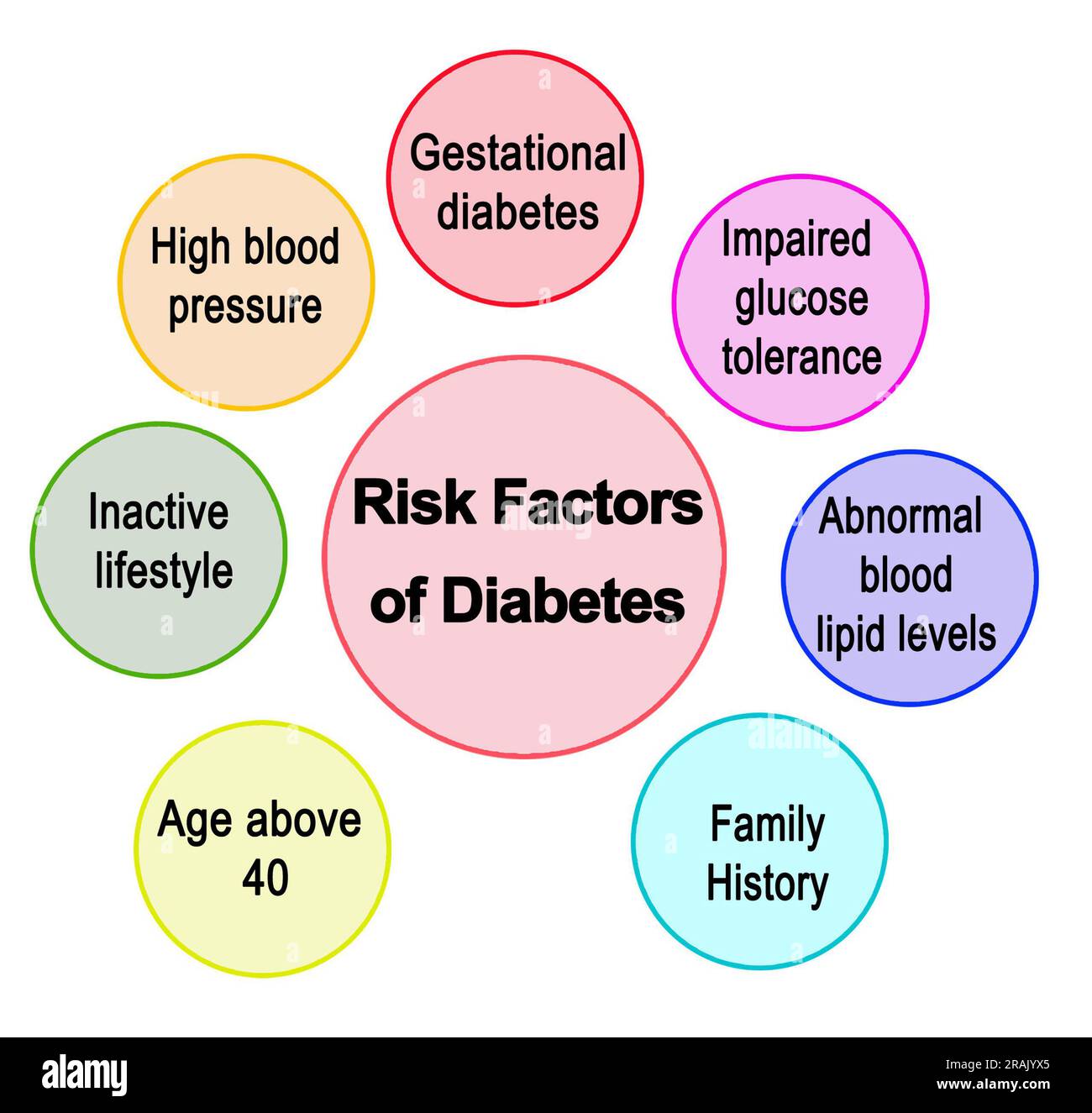
While the exact causes of kidney cancer remain unknown, several established risk factors increase the likelihood of its development. The American Kidney Fund and the University of Navarra Clinic identify smoking, obesity, hypertension, and a family history of the disease as primary contributors. Additionally, long-term treatment for kidney failure and certain genetic conditions are recognized as significant risk factors.

Expert Insight: The clinical consensus suggests that because early-stage symptoms are often silent or mimic minor ailments, the burden of early detection rests on recognizing high-risk behaviors and family history. The shift from localized tumors to metastatic disease changes the treatment landscape entirely, emphasizing why medical surveillance for those with known risk factors is critical.
Current Treatment Approaches
Surgery remains the most frequent treatment for kidney cancer, with the University of Navarra Clinic reporting cure rates exceeding 70% overall, and over 90% for smaller tumors. Modern surgical techniques prioritize organ-sparing procedures, which remove only the tumor to preserve long-term renal function.
In advanced cases, surgeons may combine operations with immunotherapy and chemotherapy to improve patient survival and quality of life. For diagnoses involving the ureter or renal pelvis, surgeons may need to remove both the kidney and the affected portion of the bladder. Patients facing metastatic disease may also undergo specialized treatments designed to manage symptoms and extend survival.
Frequently Asked Questions
What is the most common form of kidney cancer?
The most common type is renal cell carcinoma, according to data from the American Kidney Fund.
Does having symptoms like blood in the urine mean I have cancer?
Not necessarily. The American Kidney Fund states that many symptoms of kidney cancer, including blood in the urine, can be caused by other renal or urinary tract issues.
What is the primary treatment for kidney cancer?
Surgery is the primary treatment, with a focus on removing the tumor while preserving as much of the kidney as possible to maintain function, according to the University of Navarra Clinic.
How do you prioritize your long-term health when managing known risk factors like hypertension or smoking?