
/data/photo/2026/02/20/69981d54073d1.jpg?w=1024&resize=1024,1024&ssl=1 "Kim Jong Un Holds Rare 5-Year Congress Amid Economic Pressure")
Kim Jong Un Holds Rare 5-Year Congress Amid Economic Pressure
Kim Jong Un’s Rare Congress: A Turning Point for North Korea?
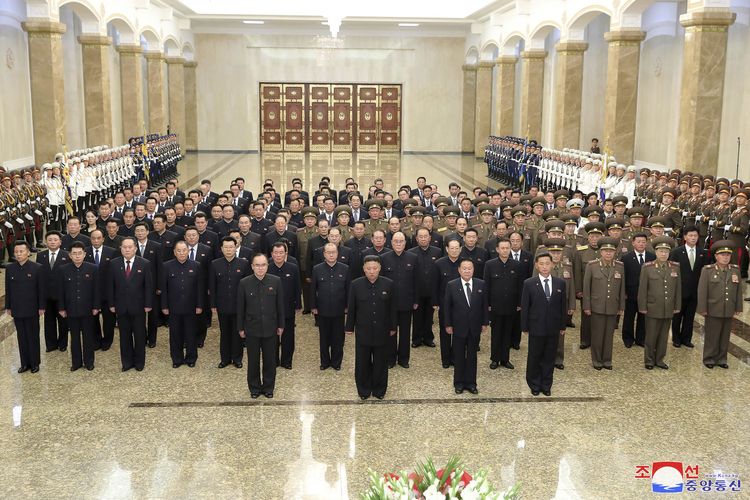
North Korean leader Kim Jong Un convened an unusual, quinquennial party congress on February 20, 2026, signaling a potential shift in the nation’s strategy. The meeting, a key forum for determining national policy, comes amidst persistent economic pressures and ongoing international sanctions.
Economic Realities and Nuclear Ambitions
Kim Jong Un’s opening address highlighted the economic challenges facing North Korea, a nation heavily burdened by Western sanctions. For decades, Pyongyang has prioritized its nuclear weapons programme and military strength, often at the expense of its citizens’ basic needs. This has resulted in recurring food shortages and economic hardship.
However, since assuming power in 2011, Kim has publicly emphasized the importance of economic development. The 2021 party congress saw a rare admission of failures across nearly all economic sectors – a move analysts believe was intended to preempt public discontent fueled by food scarcity, high military spending, and North Korea’s support for Russia’s war in Ukraine.
Despite these acknowledgements, Kim’s recent statements suggest a continued commitment to nuclear weapons. He indicated that the current congress would outline the next phase of the country’s nuclear programme, defying international pressure to denuclearize. This dual focus – economic improvement alongside nuclear advancement – presents a complex and potentially unstable situation.
The Significance of the Party Congress
This congress, the ninth in the Kim dynasty’s history, is a crucial event for understanding the internal dynamics of North Korea, a country notoriously closed off to the outside world. Thousands of party elites gathered at the Pyongyang Culture Palace, offering a rare glimpse into the decision-making processes of the regime.
The congress isn’t merely a symbolic gathering. It’s where key personnel appointments are made, economic plans are unveiled, and the overarching political direction of the country is set for the next five years. Observers are closely watching for signals regarding potential changes in leadership, economic policy, and the country’s approach to international relations.
Future Trends and Potential Scenarios
Several potential trends could emerge from this congress and shape North Korea’s future:
- Continued Economic Focus with Limited Reform: Kim may announce new economic initiatives, but significant market liberalization seems unlikely given the regime’s control-oriented approach. Expect incremental changes focused on self-reliance and import substitution.
- Escalation of Nuclear Rhetoric: A more assertive stance on nuclear weapons is probable, potentially involving further missile tests and threats. This could be a bargaining tactic to secure concessions from the United States and other nations.
- Strengthened Ties with Russia and China: North Korea is likely to deepen its relationships with Russia and China, seeking economic assistance and political support in the face of international isolation. This could lead to increased trade and military cooperation.
- Internal Power Shifts: While major leadership changes are not anticipated, subtle shifts in personnel within the Politburo and other key institutions could indicate emerging factions and evolving power dynamics.
The situation in Ukraine plays a significant role. North Korea’s continued support for Russia, providing crucial military supplies, has allowed it to circumvent some sanctions and maintain a lifeline to the global economy. However, this relationship also carries risks, potentially drawing further condemnation and sanctions from the international community.
Did you know? North Korea’s economy is estimated to be less than 5% the size of South Korea’s, despite having a similar population. This stark disparity highlights the devastating impact of decades of economic mismanagement and international sanctions.
The Impact of Sanctions and International Relations
The effectiveness of sanctions remains a contentious issue. While they have undoubtedly constrained North Korea’s economic growth, they haven’t compelled the regime to abandon its nuclear programme. Some analysts argue that sanctions disproportionately harm the civilian population, while doing little to curb the activities of the ruling elite.
The future of North Korea’s relationship with the United States is also uncertain. Dialogue has been stalled for years, and the prospects for a breakthrough appear dim. A more confrontational approach from either side could escalate tensions and increase the risk of miscalculation.
Pro Tip: To stay informed about North Korea, follow reputable news sources like the North Korea News, 38 North, and the Council on Foreign Relations.
FAQ
Q: Will North Korea ever give up its nuclear weapons?
A: It’s highly unlikely in the short term. Kim Jong Un views nuclear weapons as essential for regime survival and a deterrent against external threats.
Q: What is the biggest challenge facing North Korea?
A: The biggest challenge is its economy. Chronic food shortages, limited access to resources, and the burden of sanctions severely hamper economic development.
Q: How does North Korea’s relationship with China affect its future?
A: China is North Korea’s most important economic partner and provides crucial political support. China’s willingness to continue providing aid and trade is vital for North Korea’s survival.
Q: What is the significance of the five-year congress?
A: It sets the political and economic direction for the country for the next five years, and provides insight into the regime’s priorities and potential shifts in strategy.
We encourage you to share your thoughts on this developing situation in the comments below. Explore our other articles on international relations and geopolitical analysis for further insights. Subscribe to our newsletter to receive the latest updates directly to your inbox.