

King Charles Attends London Fashion Week Amidst Brother’s Arrest
King Charles and Stella McCartney at an exhibition celebrating British sustainable innovation in London. – Photo: Richard Pohle
Royal Scandals and Runway Resilience: The Future of the British Fashion Industry
The recent juxtaposition of Prince Andrew’s arrest on allegations of abuse and King Charles’s appearance at London Fashion Week isn’t merely a tabloid headline. It’s a microcosm of the challenges and evolving dynamics facing the British fashion industry – navigating scandal, embracing sustainability, and redefining royal influence.
The Shifting Sands of Royal Endorsement
For decades, royal patronage has been a significant boon for British fashion. From Queen Elizabeth II’s consistent support of Richard Quinn to Kate Middleton’s influence on trends, the monarchy has historically lent prestige, and visibility. However, the current situation, with King Charles deliberately referring to his brother by his full name rather than familial terms, signals a potential shift. Royal association is becoming more carefully considered, potentially prioritizing brands aligned with ethical values and a forward-looking vision.
This isn’t to say royal endorsement will disappear. Instead, expect a more selective approach. Brands demonstrating a commitment to sustainability, diversity, and social responsibility are more likely to attract royal attention. A 2023 report by McKinsey & Company highlighted that consumers, particularly Gen Z and Millennials, are increasingly factoring ethical considerations into their purchasing decisions – a trend the monarchy appears to be acknowledging.
Sustainability Takes Center Stage
King Charles’s visit to the exhibition celebrating British sustainable innovation, coupled with his attendance at the Tolu Coker show (a designer focused on African diaspora perspectives), underscores a growing emphasis on ethical and environmentally conscious fashion. This aligns with his long-standing advocacy for sustainable practices through the King’s Foundation.
The fashion industry is a notorious polluter, responsible for an estimated 10% of global carbon emissions. However, innovation is accelerating. We’re seeing advancements in:
- Circular Fashion Models: Rental services like Rent the Runway and resale platforms like ThredUp are gaining traction, extending the lifecycle of garments.
- Sustainable Materials: Companies are exploring alternatives to conventional cotton and polyester, such as organic cotton, recycled materials, and innovative fabrics made from pineapple leaves (Piñatex) or mushroom leather (Mylo).
- Traceability Technologies: Blockchain technology is being used to track garments throughout the supply chain, ensuring transparency and ethical sourcing.
Expect increased investment in these areas, driven by both consumer demand and regulatory pressure. The EU Strategy for Sustainable and Circular Textiles, for example, aims to make textile products more durable, repairable, recyclable and reusable.
The Rise of Diverse Voices and Global Perspectives
Tolu Coker’s collection, titled “Survivor’s Remorse,” and her focus on the African diaspora represent a broader trend: the increasing prominence of diverse voices in fashion. Designers from underrepresented backgrounds are challenging traditional aesthetics and bringing fresh perspectives to the industry.
This isn’t just about representation; it’s about tapping into new markets and cultural influences. The global luxury market is increasingly driven by consumers in emerging economies, particularly in Asia and Africa. Brands that can authentically connect with these diverse audiences will have a competitive advantage.
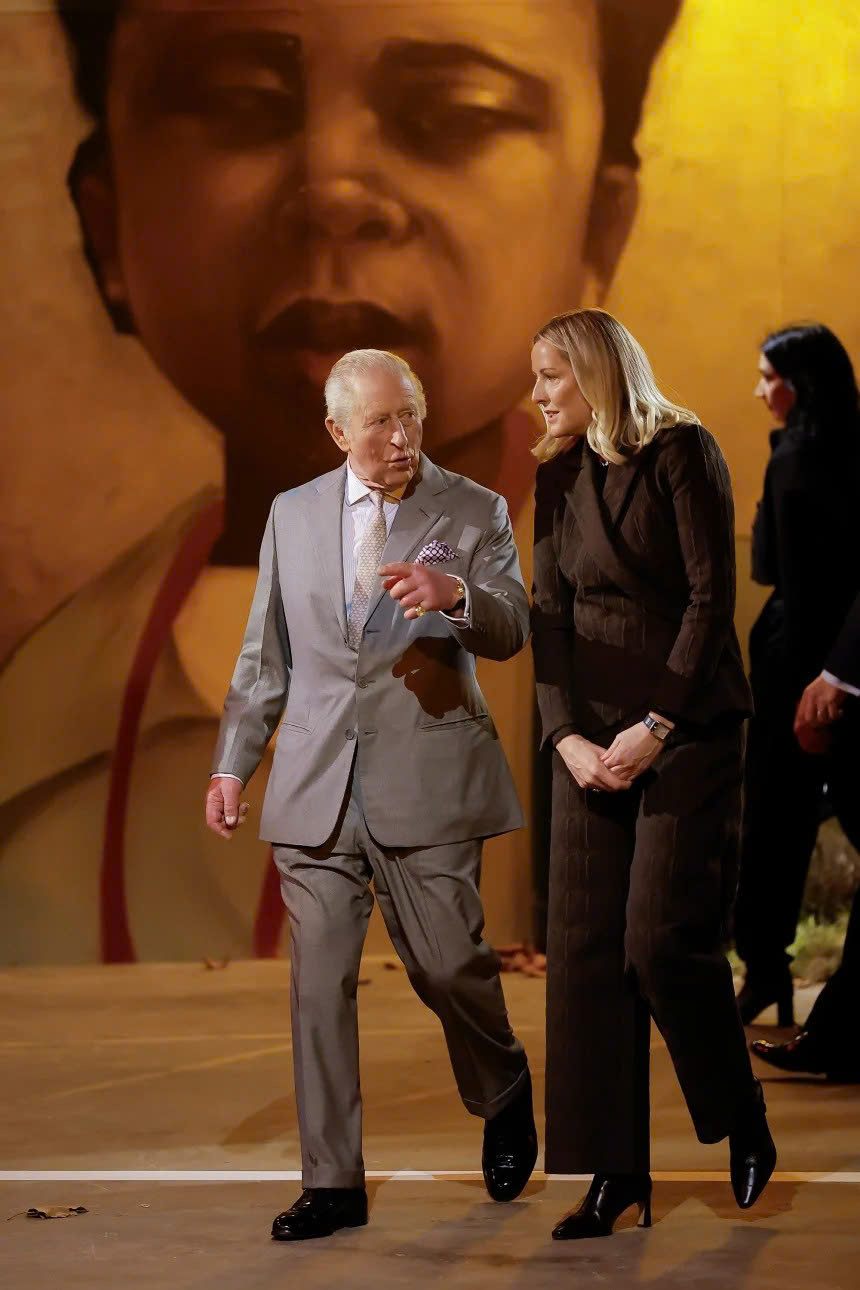
King Charles guided to his seat by Laura Weir, CEO of the British Fashion Council. (Photo: CNN)
Navigating Crisis: Brand Reputation and Resilience
The timing of King Charles’s fashion week appearance, immediately following his brother’s arrest, highlights the importance of brand reputation management. In an era of instant information and social media scrutiny, brands must be prepared to navigate crises effectively.
Pro Tip: Transparency, accountability, and a clear commitment to ethical values are crucial for maintaining trust during challenging times. Ignoring or downplaying issues can exacerbate the damage.
The fashion industry itself is no stranger to scandal, from allegations of exploitation in supply chains to controversies surrounding cultural appropriation. Brands that proactively address these issues and demonstrate a genuine commitment to positive change are more likely to weather the storm.
FAQ
Q: Will the royal family continue to support fashion week?
A: Likely, but with a more discerning approach, prioritizing brands aligned with their values.
Q: What is circular fashion?
A: A system aiming to eliminate waste and pollution by keeping materials in use for as long as possible.
Q: How can consumers support sustainable fashion?
A: By buying less, choosing sustainable materials, supporting ethical brands, and utilizing resale/rental services.
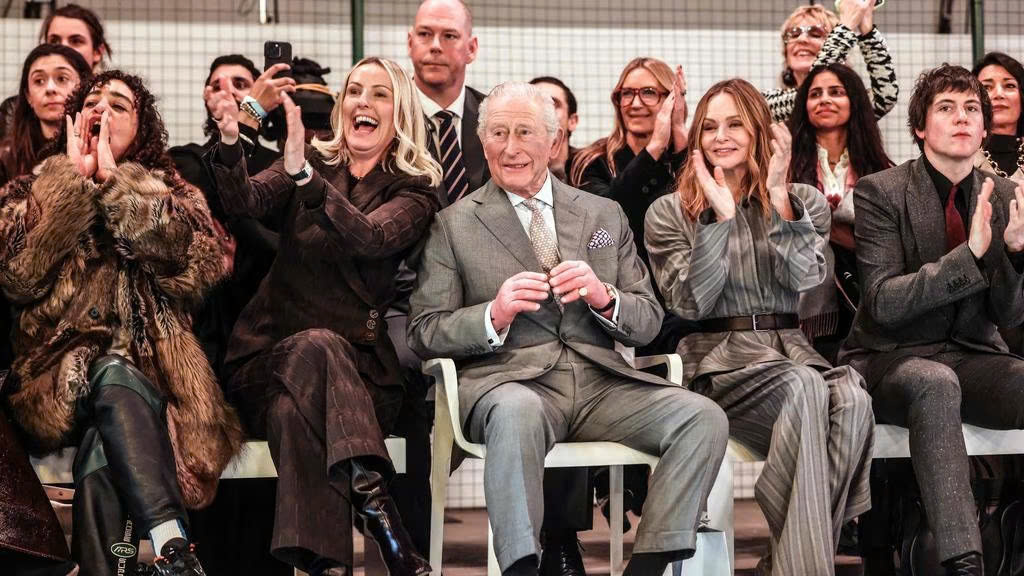
King Charles makes his first appearance at London Fashion Week – Photo: AFP
Did you know? The Ellen MacArthur Foundation estimates that the fashion industry could save $230 billion per year by adopting circular economy principles.
The future of British fashion isn’t just about aesthetics; it’s about ethics, sustainability, and inclusivity. The events surrounding King Charles and Prince Andrew serve as a stark reminder that the industry must adapt to a changing world – one where consumers demand more than just beautiful clothes.
Explore further: Read our article on the impact of Gen Z on sustainable consumption or the latest innovations in textile technology.
Join the conversation: What role do you think the royal family should play in supporting the fashion industry? Share your thoughts in the comments below!