
King Felipe Provides Royal Plane for Pope Leo After Flight Failure
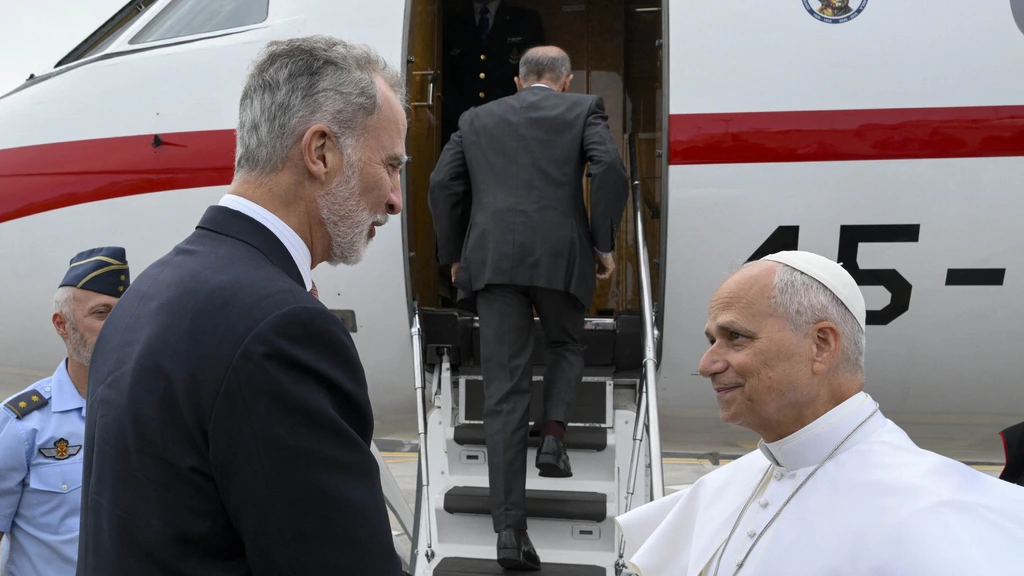
Pope Leo’s visit to the Canary Islands on June 12, 2026, centered on the escalating migration crisis in Spain, according to NOS Nieuws. Following a technical failure of an Iberia aircraft on Tenerife, King Felipe provided a Spanish Air Force plane to transport the Pope back to Rome by 11:00 p.m.
Why is migration the primary focus of the papacy in the Canary Islands?
Migration has become a volatile point of contention in Spanish politics. NOS Nieuws reports that Pope Leo’s visit to the Canary Islands specifically targeted this issue, as the region serves as a critical arrival point for migrants. The Pope’s presence underscores a broader trend of the Catholic Church intervening in EU border politics to advocate for humanitarian treatment.
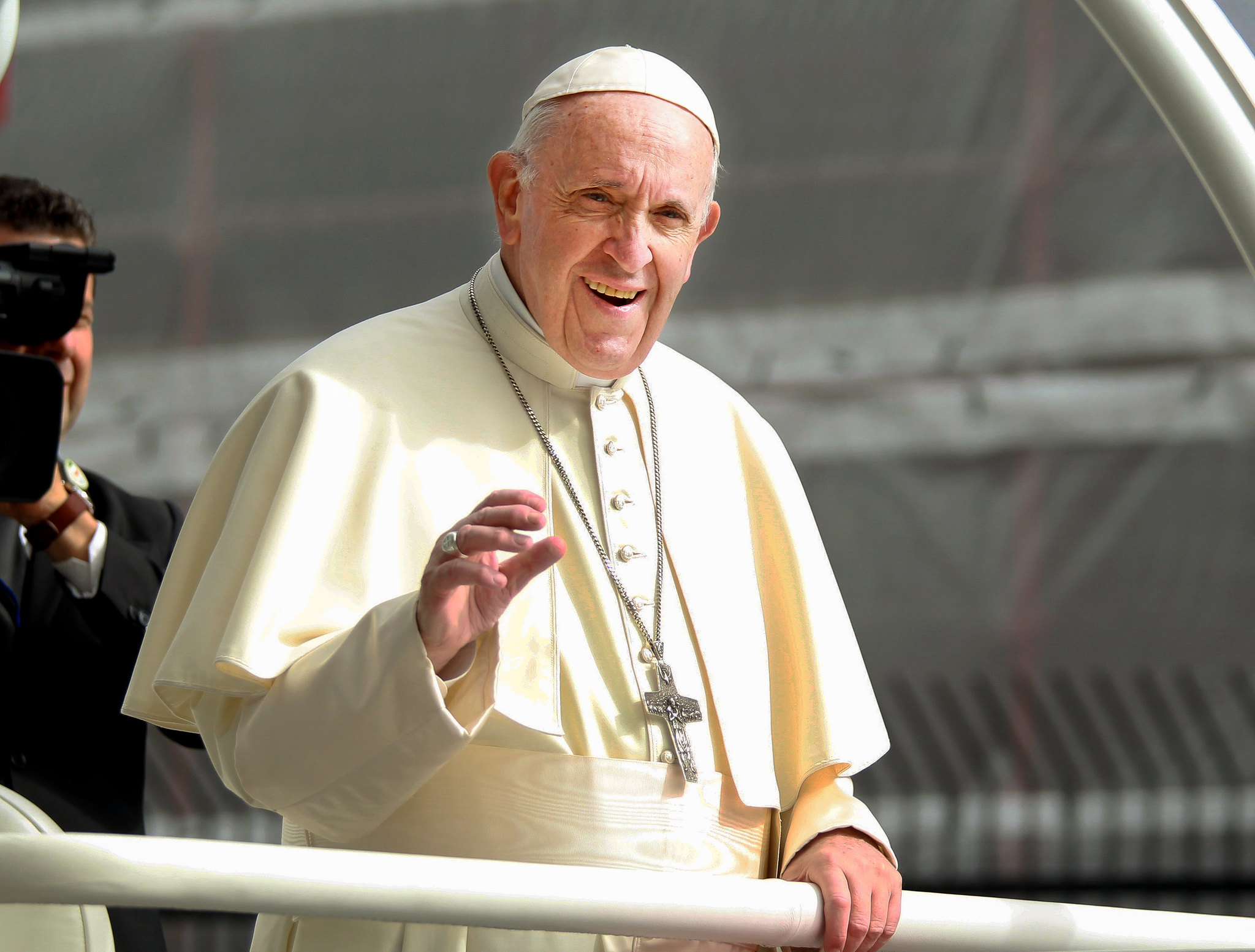
This visit follows a pattern of “border diplomacy.” By visiting Madrid, Barcelona, and the Canary Islands, the Pope highlighted the tension between national security and human rights. The debate in Spain has “hardened” recently, making the religious endorsement of migration a significant political catalyst.
Did you know? The Canary Islands’ geographic position makes them one of the most accessible entry points to the European Union for migrants crossing from West Africa, often leading to severe humanitarian bottlenecks.
What happens when commercial aviation fails high-profile diplomats?
Commercial charters for heads of state carry inherent risks. On June 12, an Iberia aircraft tasked with transporting Pope Leo suffered an engine failure that prevented takeoff. NOS Nieuws confirms the Pope and all passengers had to disembark the plane after the engine failed to start.
The incident highlights the contrast between commercial reliability and state-guaranteed security. While Iberia provided replacement aircraft for Vatican staff and journalists, King Felipe personally escorted the Pope to the terminal and provided a Spanish Air Force plane. This shift from a commercial carrier to a military asset ensures tighter security and eliminates the scheduling volatility of civilian aviation.
Commercial vs. State Transport: A Comparison
| Feature | Iberia (Commercial) | Spanish Air Force (State) |
|---|---|---|
| Reliability | Subject to technical failure/delays | Priority maintenance/State-backed |
| Security | Standard commercial protocols | Military-grade security |
| Outcome | Engine failure on Tenerife | Successful return to Rome |
How will this visit influence future EU migration trends?
The Pope’s focus on the Canary Islands signals a shift toward highlighting the “periphery” of the EU. According to NOS Nieuws, migration is a “main theme” in current Spanish political discourse. When the papacy aligns with these issues, it often pressures EU member states to move from restrictive border policies toward managed migration pathways.
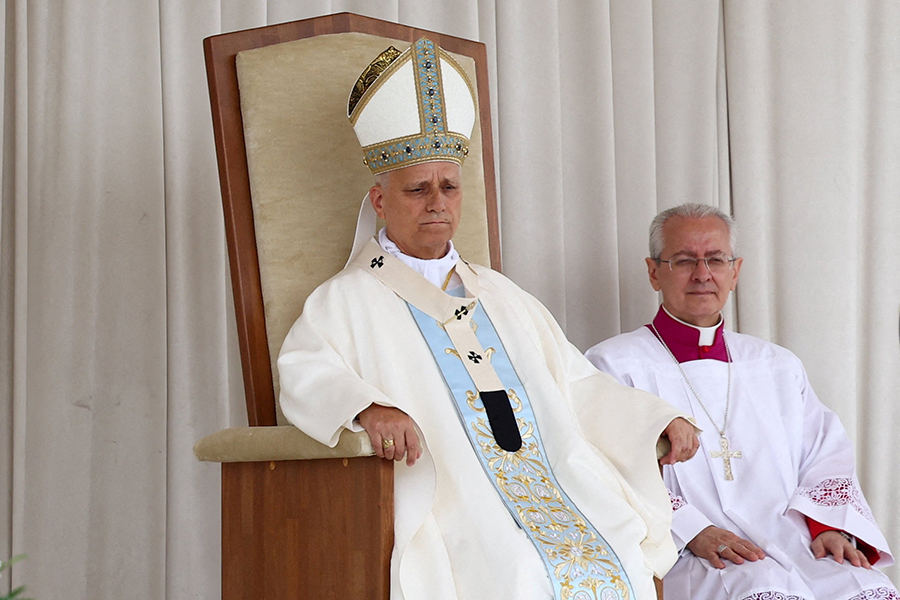
The immediate consequence is a heightened spotlight on the Canary Islands. This visibility often leads to increased international aid and stricter oversight of how migrants are processed upon arrival. The interaction between King Felipe and Pope Leo suggests a coordinated effort between the Spanish crown and the Vatican to manage the optics of the crisis.
Pro Tip: For those tracking diplomatic movements, the transition from commercial to military transport is often a leading indicator of a security upgrade or an urgent diplomatic necessity.
Frequently Asked Questions
Why did Pope Leo have to leave his plane?
According to Iberia, the aircraft’s engine would not start, forcing the Pope and other passengers to disembark.
Who provided the alternative transportation?
King Felipe of Spain provided a Spanish Air Force plane for the Pope’s return to Rome.
What was the main goal of the visit to the Canary Islands?
NOS Nieuws reports the visit focused on migration, which is currently a central and polarizing topic in Spanish politics.
Do you think religious leaders should play a larger role in shaping national migration policies? Let us know in the comments below.