

King, Governor of Guam Highlight Cybersecurity Attacks on National Security Installations in Guam
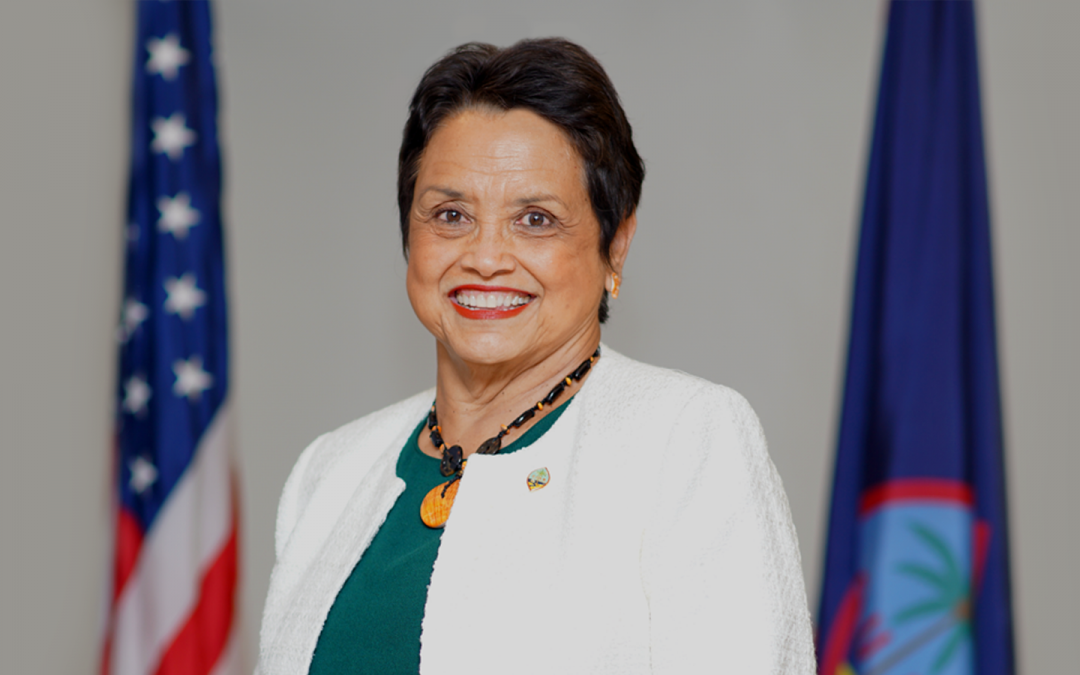
Guam’s critical energy infrastructure is facing increasing cyberattacks, threatening both civilian life and U.S. national security. Governor Lou Leon Guerrero confirmed recent attacks to Senator Angus King, noting that the Guam Power Authority serves as the sole energy provider for the island’s strategic military installations.
Why is Guam’s power grid a target for cyberattacks?
The strategic location of Guam makes it a primary target for foreign adversaries, specifically the People’s Republic of China. Because the Guam Power Authority is the only energy provider for the entire island, a single point of failure exists for both the civilian population and the U.S. military bases stationed there.

Governor Lou Leon Guerrero told Senator Angus King that the island has experienced several cyberattacks recently. These attacks target energy transmission lines, which are essential for maintaining operational readiness at national security installations. According to Governor Guerrero, the vulnerability of the grid is a direct risk to national security.
How are U.S. officials hardening critical infrastructure?
Hardening the grid involves both physical and digital defenses. Governor Guerrero highlighted that moving transmission lines underground is one of the most effective ways to ensure resilient energy transmission and protect against physical sabotage or weather-related outages.

On the digital front, the federal government has deployed multiple agencies to secure the island. The FBI and the Cybersecurity and Infrastructure Security Agency (CISA) are currently working with territory officials to monitor and investigate attackers. This inter-agency approach aims to identify the origin of the cyberattacks and remove threats from the network.
The shift toward layered cyber deterrence
Senator King, as Co-Chair of the Cyberspace Solarium Commission (CSC), advocates for “layered cyber deterrence.” This strategy moves beyond simple firewalls. It emphasizes a proactive defense that makes attacking a target too costly or difficult for the adversary to justify.
This approach has already led to the creation of the National Cyber Director. By integrating intelligence from the CSC into law, the U.S. aims to create a defensive posture that protects not only military bases but the civilian grids they rely on.
What happens next for Pacific energy security?
The trend is moving toward energy independence for military installations. Senator King’s inquiries focused on whether national security facilities depend on the local grid or possess their own energy sources. Currently, the reliance on the Guam Power Authority creates a shared vulnerability.
Future trends suggest a push for microgrids and battery storage. Senator King has already championed transmission upgrades and battery storage for renewable energy in Maine to lower costs and increase reliability. Applying these same principles to Guam would reduce the military’s dependence on a single, vulnerable civilian provider.
How do energy exports impact national defense?
Energy security extends beyond the grid to the supply chain. Senator King has introduced legislation to ban the export of crude oil and liquefied natural gas (LNG) to foreign adversaries, including China, Russia, Iran, and North Korea.
According to the legislation, restricting these exports supports national defense by denying adversaries the resources they need to fuel their militaries while keeping energy costs lower for U.S. citizens. This creates a strategic link between domestic energy policy and the cybersecurity of overseas installations like those in Guam.
For more on how the U.S. is securing its energy corridors, see the latest reports from the U.S. Department of Energy or explore our internal guides on critical infrastructure protection.
Frequently Asked Questions
The Guam Power Authority is the sole energy provider for the entire island, including all military installations.
The FBI and CISA, along with other federal agencies, are working with the Guam government to investigate and mitigate these attacks.
The CSC focuses on creating a forward-thinking cyber strategy based on layered deterrence to protect national security from digital threats.
Underground lines are more resilient against physical attacks, sabotage, and extreme weather, which “hardens” the grid against failure.
What do you think is the biggest threat to our national infrastructure? Should military bases be entirely independent of civilian power grids? Let us know in the comments below or subscribe to our newsletter for more updates on national security and energy trends.