

Kingston-led study finds exercise after colon cancer treatment improves survival and lowers health care costs
A new study led by researchers in Kingston has revealed that a structured exercise programme for individuals recovering from colon cancer can help patients live longer. Beyond improving health outcomes, the research indicates that this approach could also reduce costs for the health care system.
Improving Long-Term Survival
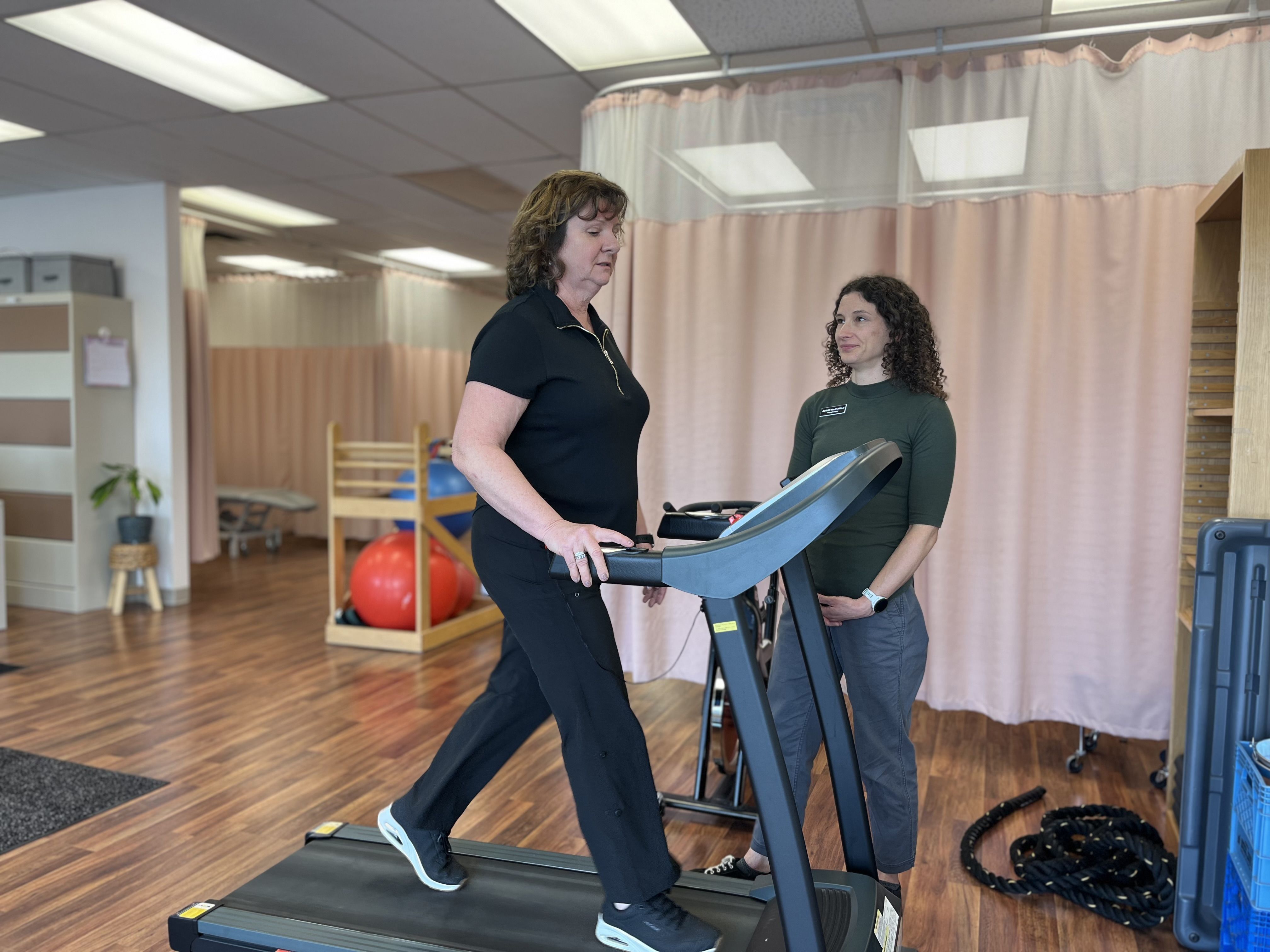
The research focused on participants who had already completed chemotherapy for colon cancer. Over a three-year period, these individuals followed a structured exercise programme supported by trained fitness professionals.
The findings, which were published in a leading medical journal and presented at a major international cancer conference, showed that participants experienced several key benefits:
- Improved long-term survival outcomes.
- A lower likelihood of cancer returning.
- A reduced need for future cancer treatments.
The Economics of Preventative Care
Researchers also analyzed the financial impact of implementing such programs. The total cost of the structured exercise initiative is approximately $3,000 per person over the three-year duration.
This cost is relatively low when compared to many cancer treatments, which can reach hundreds of thousands of dollars. Because the programme reduces the number of patients requiring further treatment, the study found that it may actually save the health system money overall.
Integrating Fitness into Standard Care
Dr. Christopher Booth, a Professor at Queen’s University and cancer specialist at the Kingston Health Sciences Centre (KHSC), emphasized that exercise is not only beneficial for the patient but also reduces pressure on the health care system.
The study, a collaboration between KHSC, Queen’s University, and the Canadian Cancer Trials Group (CCTG), suggests that exercise should be a standard part of cancer care. Dr. Booth stated the need to ensure these programs are available as routine care prescribed by medical teams.
The Patient Experience
For those participating, the programme provided more than just clinical benefits. Terri Swain-Collins, a participant from Kingston, noted that the support of a trainer helped her establish lasting healthy habits.
According to Swain-Collins, the programme provided the necessary structure and support to demonstrate that exercise can be manageable and beneficial during recovery.
Future Implications
Based on these findings, the medical community may look toward integrating structured fitness programs into routine oncology protocols. Such a shift could potentially make these resources available to a wider population of survivors as a prescribed part of their recovery.
Frequently Asked Questions
Who conducted the research on colon cancer recovery?
The study was led by researchers from the Kingston Health Sciences Centre (KHSC), Queen’s University, and the Canadian Cancer Trials Group (CCTG).
What are the financial costs of the exercise programme?
The programme costs approximately $3,000 per person over three years, which includes sessions with trained exercise specialists.
What were the primary health benefits found in the study?
Participants had better long-term survival outcomes, were less likely to see their cancer return, and required less future cancer treatment.
How do you think integrating fitness into standard medical recovery could change the patient experience?