
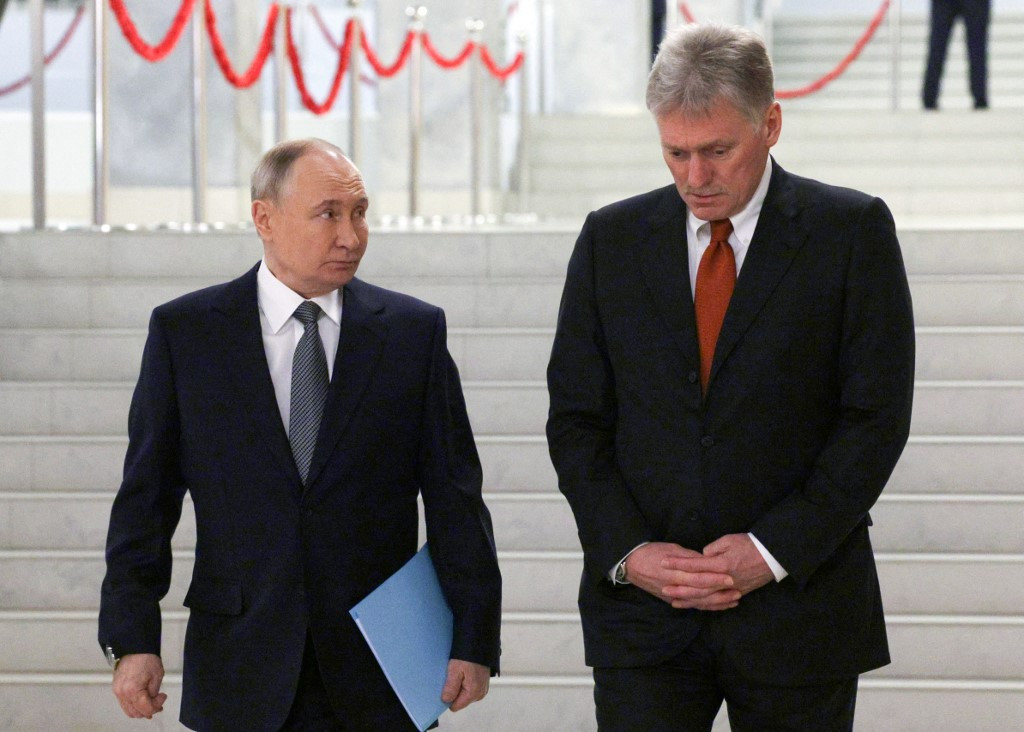
Kremlin Signals Readiness for Talks on Ukraine
Kremlin spokesperson Dmitry Peskov announced Russia is prepared to resume dialogue to address international tensions and the war in Ukraine, though Moscow denies initiating the breakdown of previous communications. This comes amid ongoing Ukrainian drone strikes on Russian infrastructure and a history of failed ceasefire attempts involving the U.S. and EU.
Why is Russia calling for renewed dialogue now?
Russia’s openness to contacts follows a period of increased pressure on its domestic infrastructure. According to reports, Kyiv recently conducted a record drone strike on a Moscow refinery near the Kremlin. This is part of a broader “middle strike” campaign that has placed logistics supplying occupied Crimea and southern Ukraine under significant strain.
Peskov told reporters that “common sense” dictates the need for contacts to discuss the complex issues on the current agenda. While he didn’t specify a format for these talks, he noted that Russia wasn’t the party that brought previous communications “to zero.”
What are the primary sticking points in negotiations?
Territorial sovereignty remains the central deadlock. According to Peskov, Russia is pushing for a settlement based on unpublished terms from a previous summit in Alaska. These terms are believed to require Ukraine to recognize the occupation of Crimea and cede the Donbas region.
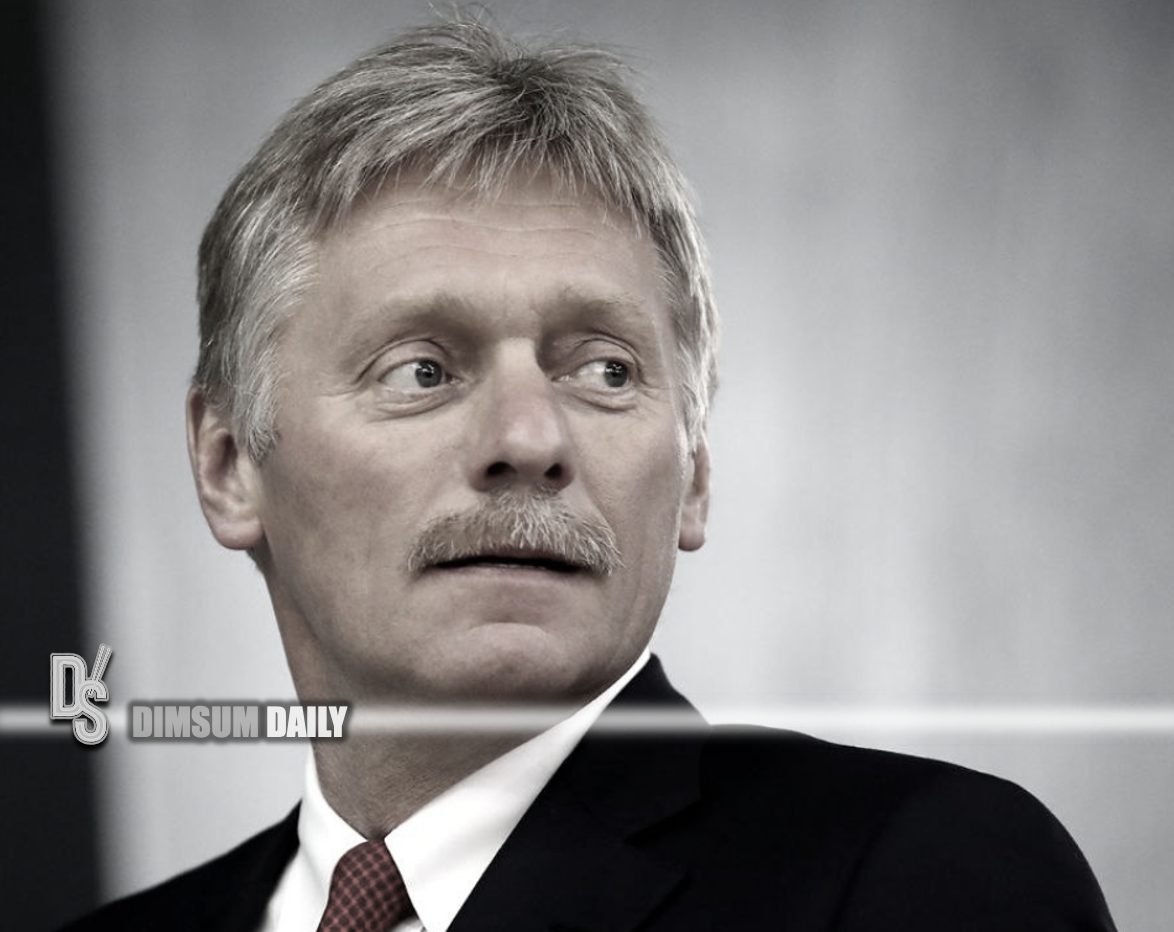
President Volodymyr Zelensky has rejected these terms. In a statement following meetings with European leaders in December 2025, Zelensky asserted that under international and moral law, Ukraine has “no right” to surrender any territory. He previously sent an open letter on June 4 urging a face-to-face meeting with Vladimir Putin to end the war, but Putin dismissed the idea as “pointless” during the St. Petersburg International Economic Forum.
How have previous ceasefire attempts failed?
Negotiation efforts since 2022 show a pattern of nominal agreements that fail to produce lasting peace. A comparison of recent attempts reveals a shift from structured proposals to high-pressure ultimatums:
- March 2025: Vladimir Putin initially supported a 30-day ceasefire proposed after Donald Trump’s return to office. This resulted in an “energy ceasefire” in name only due to conflicting interpretations of the terms.
- May 2025: Following EU sanctions threats, Putin offered to resume the 2022 Istanbul talks. However, Moscow sent a historian to lead the delegation rather than a senior diplomat. This led to prisoner swaps but no concrete framework to end the war.
- August: Donald Trump issued a 50-day ultimatum, later shortened to 10-12 days, threatening massive sanctions. This forced a face-to-face meeting in Alaska, which ended without a ceasefire or new sanctions.
What role do third-party mediators play?
Intermediaries have attempted to bridge the gap between Kyiv and Moscow with varying success. Businessman Roman Abramovich previously acted as a conduit, visiting Kyiv to carry messages to Putin. Zelensky later confirmed Abramovich’s role, though he maintained that the Donbas region remained non-negotiable.
The U.S. and G7 nations have shifted between sanctions-based pressure and diplomatic facilitation. While the G7 proposed a multilateral meeting in France involving Trump and European leaders, the Kremlin’s refusal suggests Russia prefers bilateral terms or direct meetings where Zelensky travels to Moscow.
Frequently Asked Questions
Will Russia accept a deal without territorial concessions?
Based on recent pushes for the Alaska summit terms, Russia currently seeks recognition of occupied Crimea and the Donbas. There is no evidence in current Kremlin statements that Moscow is willing to waive these demands.
Why did the Alaska summit fail to produce a ceasefire?
Despite the face-to-face meeting between Trump and Putin, the two sides could not agree on the fundamental terms of a ceasefire, leaving both the conflict and the threat of sanctions unresolved.
Is Ukraine open to direct talks with Vladimir Putin?
Yes. President Zelensky has repeatedly called for face-to-face meetings, including through an open letter in June, provided the talks aim to end the war without violating international law regarding territory.
What do you think is the most viable path to a ceasefire? Share your thoughts in the comments below or subscribe to our newsletter for real-time updates on the conflict.