
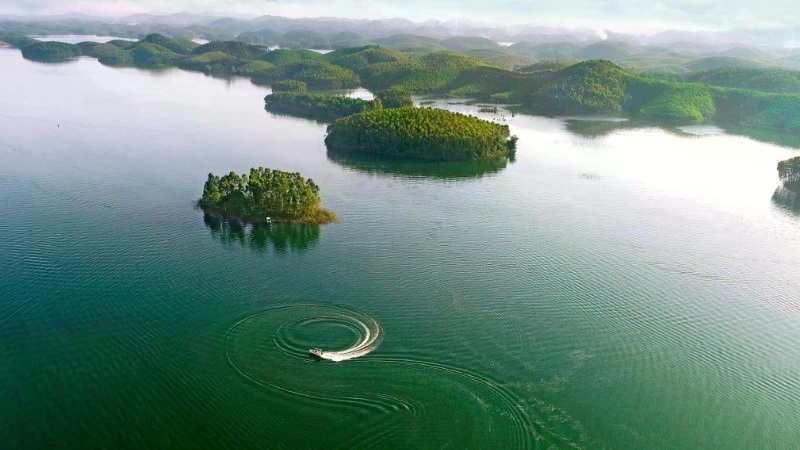
Lake Powell’s Future at Stake: Balancing Environmental Protection and Energy Security
The Colorado River Dilemma: Balancing Ecology and Energy in the Face of Climate Change
Protecting Endangered Species Amidst Water Scarcity
The Glen Canyon Dam’s proposed “cold water mixing flow” highlights a critical tension between environmental preservation and energy production. By releasing cold water from Lake Powell’s depths, authorities aim to protect the humpback chub, a native fish species threatened by warming river temperatures. However, this method bypasses turbines, slashing hydroelectric output by up to 50%. With the Colorado River Basin experiencing its heaviest snowfall in decades, the challenge is to balance ecological needs with the region’s energy demands.
Real-Life Example: In 2024, the U.S. Fish and Wildlife Service reported that cold water releases prevented the spread of invasive species, but power companies faced $19 million in additional costs. This underscores the economic stakes of environmental policies.
Economic Pressures on Hydropower Infrastructure
Wet seasons like 2024 bring temporary relief but also expose vulnerabilities in the Colorado River’s water management system. Lake Powell, now only 23% full, struggles to maintain stable flows, forcing warm surface water through turbines. This not only harms aquatic ecosystems but also threatens the dam’s ability to generate power.
Pro Tip: Hydropower plants are increasingly investing in adaptive technologies, such as turbine upgrades, to mitigate efficiency losses. However, these upgrades cost millions annually, straining budgets in an era of climate uncertainty.
Future Trends: Adapting to a Drier Reality
As climate change intensifies droughts, the Colorado River’s future hinges on innovative solutions. Experts predict a rise in demand for hybrid energy systems, combining hydropower with solar and wind to offset seasonal shortfalls. Meanwhile, water management strategies may shift toward prioritizing ecosystem health, even if it means accepting short-term economic trade-offs.
Did You Know? The Colorado River supplies water to 40 million people and 30 million acres of farmland. Its declining health reflects a broader global crisis in freshwater management.
Policy Challenges and the Path Forward
The lack of a post-2026 Colorado River agreement exacerbates the crisis. Without long-term water-sharing frameworks, states and stakeholders will continue to clash over resource allocation. Future policies may need to integrate climate resilience, such as incentivizing water conservation or investing in desalination technologies.
Related Keyword: Colorado River water levels

FAQ: Understanding the Colorado River Crisis
Why is cold water release critical for the humpback chub?
Cold water maintains the river’s temperature, creating conditions necessary for the chub’s survival. Warm water favours invasive species, disrupting the ecosystem.
How does the Glen Canyon Dam impact power generation?
Releasing cold water from deep lake layers bypasses turbines, reducing electricity output. This forces utilities to source energy at higher costs, impacting consumers.
What role does climate change play in the crisis?
Prolonged droughts and rising temperatures are drying up the Colorado River, forcing tough choices between environmental protection and energy security.
Reader Engagement: What’s Your Take?
How do you think communities should balance environmental and economic needs in water management? Share your thoughts below or explore our guide to sustainable solutions.
Keep the Conversation Going: Subscribe to our newsletter for updates on climate resilience and energy innovation. Together, we can shape a sustainable future for the Colorado River and beyond.