
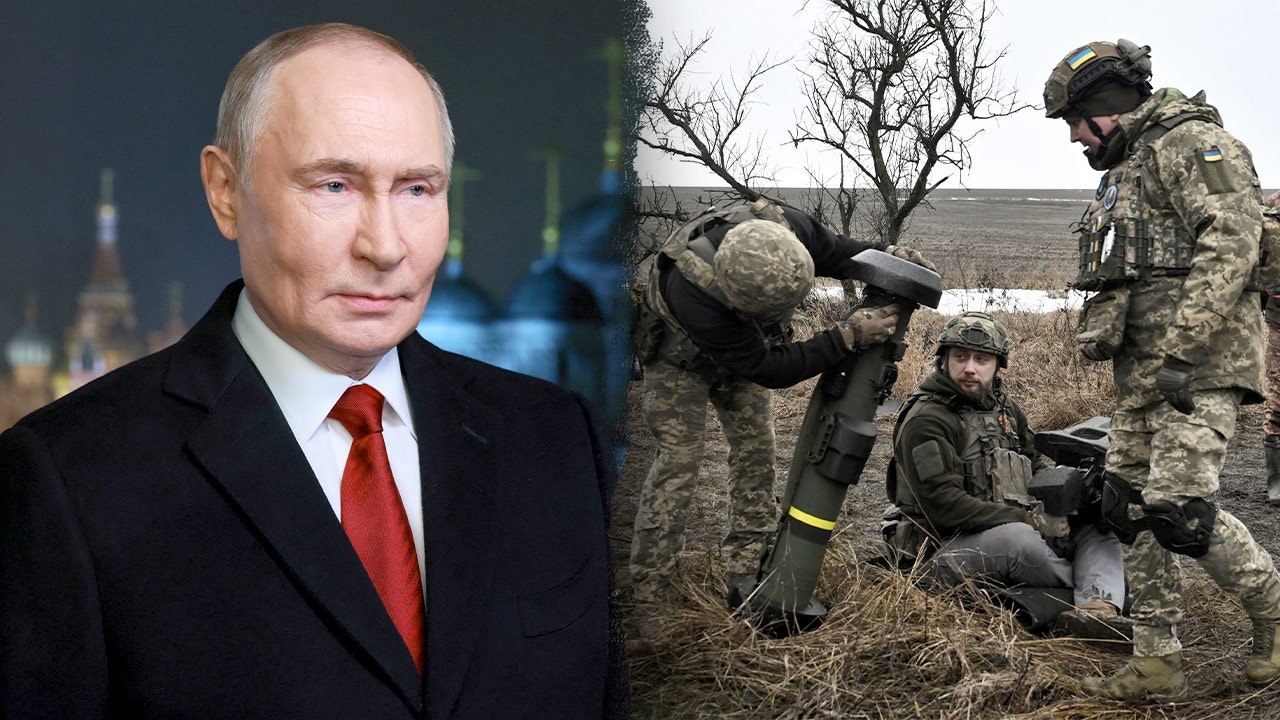
Latvia warns Russia preparing drone, missile provocations in Baltics
Latvian intelligence warns that Russia is preparing hybrid provocations, including drone and missile attacks, against Poland and the Baltic states to pressure NATO into ending support for Ukraine. According to the Constitution Protection Bureau (SAB), while a full-scale invasion is unlikely, Vladimir Putin’s isolation increases the risk of strategic miscalculation.
Why is Russia targeting the Baltic states and Poland?
Russia aims to send a signal to NATO allies: stop supporting Ukraine or face domestic security problems. Latvian intelligence told Fox News Digital that these aren’t conventional war efforts, as Russia currently lacks the capability for such an escalation. Instead, Moscow is utilizing “hybrid attacks” to test Western resolve.
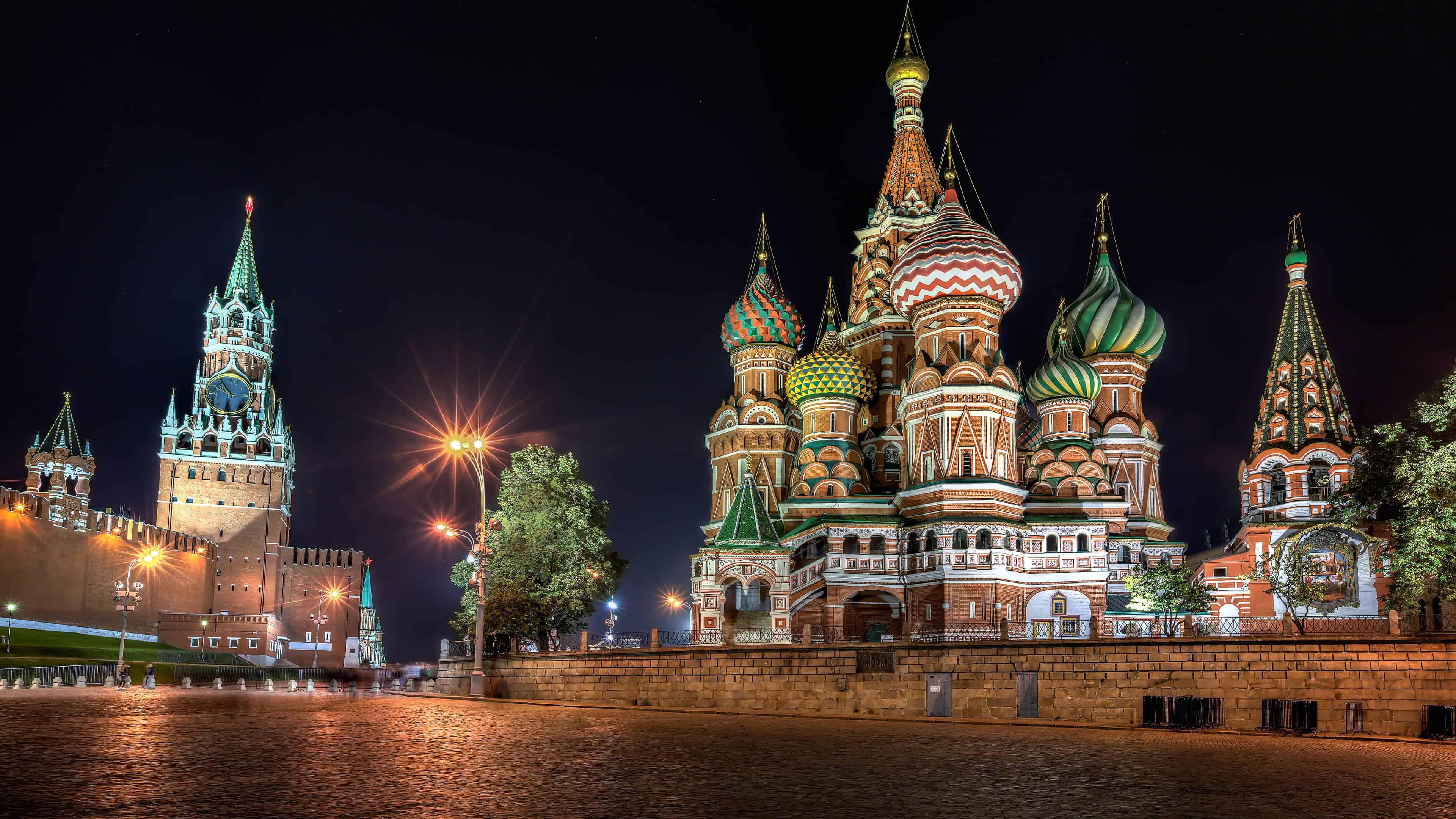
This strategy isn’t theoretical. Polish Deputy Foreign Minister Marcin Bosacki reported in June that a hybrid war is already underway. Bosacki cited assassinations, drone activity, and cyberattacks on critical infrastructure. He specifically highlighted a Russian-instigated cyberattack targeting Polish energy infrastructure designed to “black out part of Poland.”
What is “lawfare” and how is Moscow using it?
The SAB’s latest public report details an intensification of “lawfare”—the use of legal systems and international courts to achieve political or military goals. Russia is currently studying Iran’s 2016 case against the United States at the International Court of Justice (ICJ) to adapt similar tactics against the West.
Moscow has prepared a formal complaint against the Baltic states at the UN’s International Court of Justice. The complaint accuses these nations of discriminating against Russians and Russian speakers. Latvian intelligence believes this isn’t about winning a court case, but about building a narrative that could justify future aggression.
The SAB report describes this as a “highly manipulative approach” that relies on “imagined evidence.” By framing the Baltic governments as “pro-American elites” disconnected from their people, Moscow is mirroring the same logic it used to justify the invasion of Ukraine via the Donbas region.
Are Western sanctions actually working?
There’s a sharp contrast between Russia’s public image and its internal reality. While the Kremlin claims sanctions don’t matter, Latvian intelligence reports that internal Russian assessments show the pressure is “biting.”
| Public Russian Narrative | SAB Intelligence Assessment |
|---|---|
| Sanctions are absorbed and ineffective. | Sanctions limit financial resources and force difficult military spending choices. |
| The economy is stable and resilient. | The war economy is a “crumbling house of cards.” |
SAB argues that sanctions are the most effective mechanism to push Russia toward a peace deal acceptable to Ukraine and the West. They suggest that increased international pressure is necessary to further constrain Moscow’s ability to fund its military operations.
What is the risk of a full-scale NATO conflict?
The immediate threat isn’t a massive army crossing borders, but a mistake. Latvian intelligence warns that Putin is isolated and surrounded by institutions that tell him only what he wants to hear. This “dangerous cycle” means decisions aren’t based on the actual situation on the ground.
Regarding a full-scale invasion, the SAB is not currently concerned. The bureau assesses that even if the war in Ukraine ended today, Russia would need three to five years to rebuild the military capabilities required for a conventional invasion of NATO territory.
Frequently Asked Questions
Is Latvia currently under military threat?
No. According to Latvian intelligence, there are no current military threats of a full-scale invasion, though the risk of hybrid provocations remains high.
What are hybrid attacks?
These are non-conventional warfare tactics, including drone incursions, missile provocations, cyberattacks on infrastructure, and the weaponization of migration.
Why does the Iran ICJ case matter?
Russia is analyzing how Iran challenged US sanctions in 2016 to find legal loopholes or mechanisms to weaken Western sanctions through international courts.
What do you think about the use of “lawfare” in modern conflict? Share your thoughts in the comments below or subscribe to our newsletter for more deep-dives into global security.