

Latvian President Retires Rear Admiral Ingus Vizulis
President Edgars Rinkēvičs has ordered the retirement of Flotilla Admiral Ingus Vizulis effective July 30, 2026, according to jauns.lv. The decision follows the expiration of Vizulis’s professional service contract. Vizulis previously served as a defense attaché in the United States, United Kingdom, Canada, and the Netherlands.
How does the retirement of Flotilla Admiral Ingus Vizulis impact naval leadership?
The departure of Flotilla Admiral Ingus Vizulis marks a transition in institutional memory for the Latvian Naval Forces. According to reports from jauns.lv, Vizulis’s career began in 1987 at the Kaliningrad Higher Naval School. He later served as the commander of the Naval Forces and held key roles in the Naval Forces staff as the head of the Operational Department and Chief of Staff.
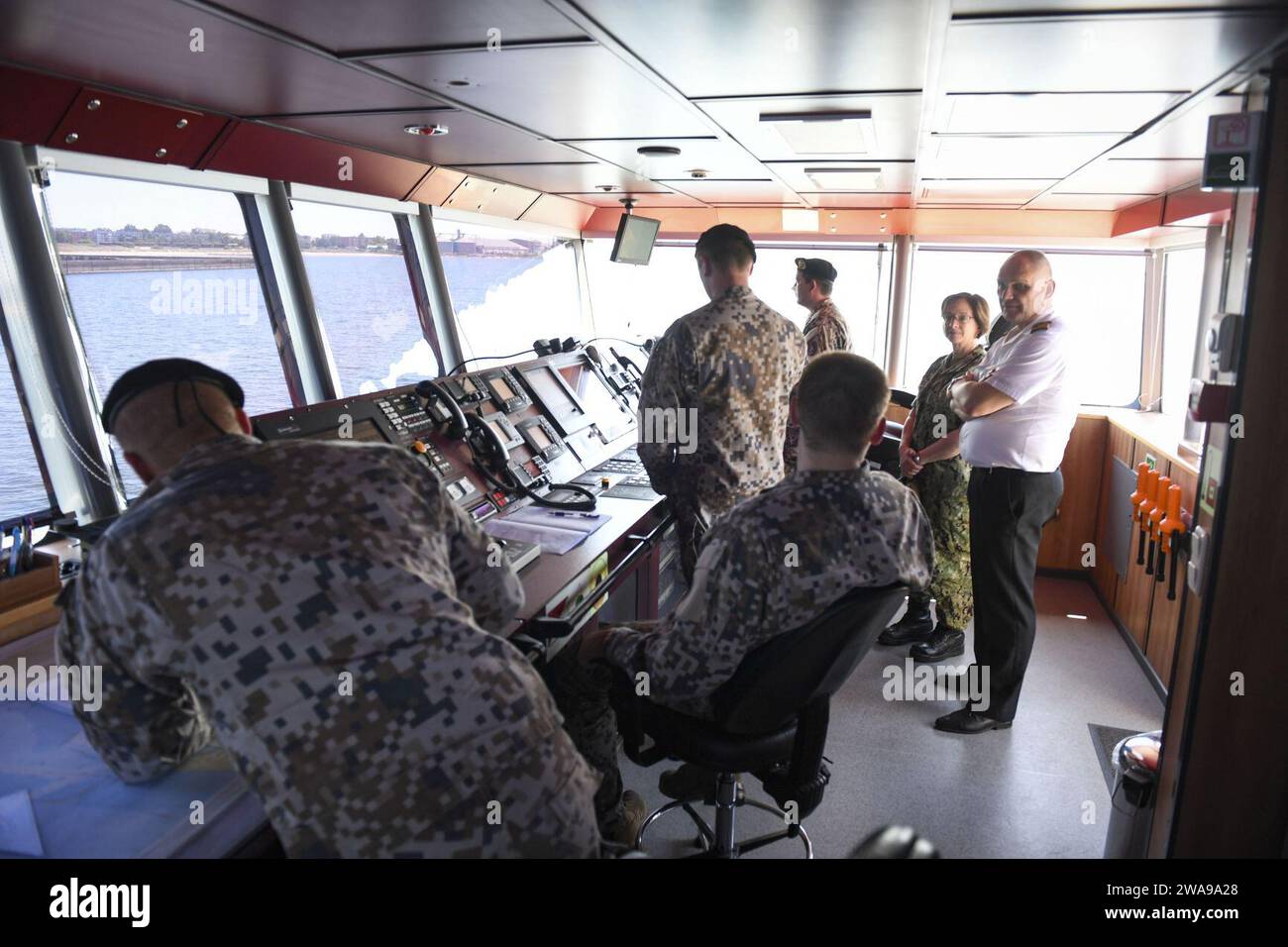
Military transitions of this level often signal a shift toward new strategic priorities. Vizulis’s extensive diplomatic experience as a defense attaché in four major NATO allied nations suggests a period of heavy international integration. His successor will likely inherit a naval force deeply entwined with Western security architectures.
Why is NATO military infrastructure a priority for Latvia?
Before this retirement order, Vizulis served as the project manager for the NATO and allied military infrastructure projects department within the Ministry of Defence’s Infrastructure Policy Department. This role highlights a broader trend: the physical hardening of the Baltic region’s defenses.
Infrastructure projects typically involve the construction of ports, airbases, and communication hubs to support NATO’s enhanced Forward Presence (eFP). By focusing on “allied military infrastructure,” Latvia ensures that the movement of troops and equipment from the U.S. or UK is seamless during a crisis. This shift from theoretical cooperation to concrete infrastructure is a primary trend in Baltic security.
For more on regional security, see our analysis of Baltic Sea Defense Strategies or visit the official NATO portal for current deployment data.
What are the core functions of the Latvian Naval Forces today?
The Latvian Naval Forces focus on safeguarding the state’s maritime borders and the exclusive economic zone. According to official descriptions, the force is organized into several specialized units: the Naval Forces Staff, the Coast Guard, the Mine Countermeasures Squadron, the Patrol Boat Squadron, and the Naval Observation and Communications Service.
Current operational trends emphasize three main areas:
- Surveillance: Constant monitoring of territorial waters to prevent unauthorized entry.
- Mine Warfare: Using the Mine Countermeasures Squadron to clear historic and modern sea mines.
- Search and Rescue: Executing emergency responses and accident liquidation in the Baltic Sea.
How does the President’s role influence military transitions?
President Edgars Rinkēvičs exercises the legal authority to issue orders regarding the termination of professional service. This administrative power is part of a broader oversight role that ensures military leadership aligns with state policy. Rinkēvičs brings specific expertise to this role, having previously served as the Minister of Foreign Affairs and the State Secretary of the Ministry of Defence.
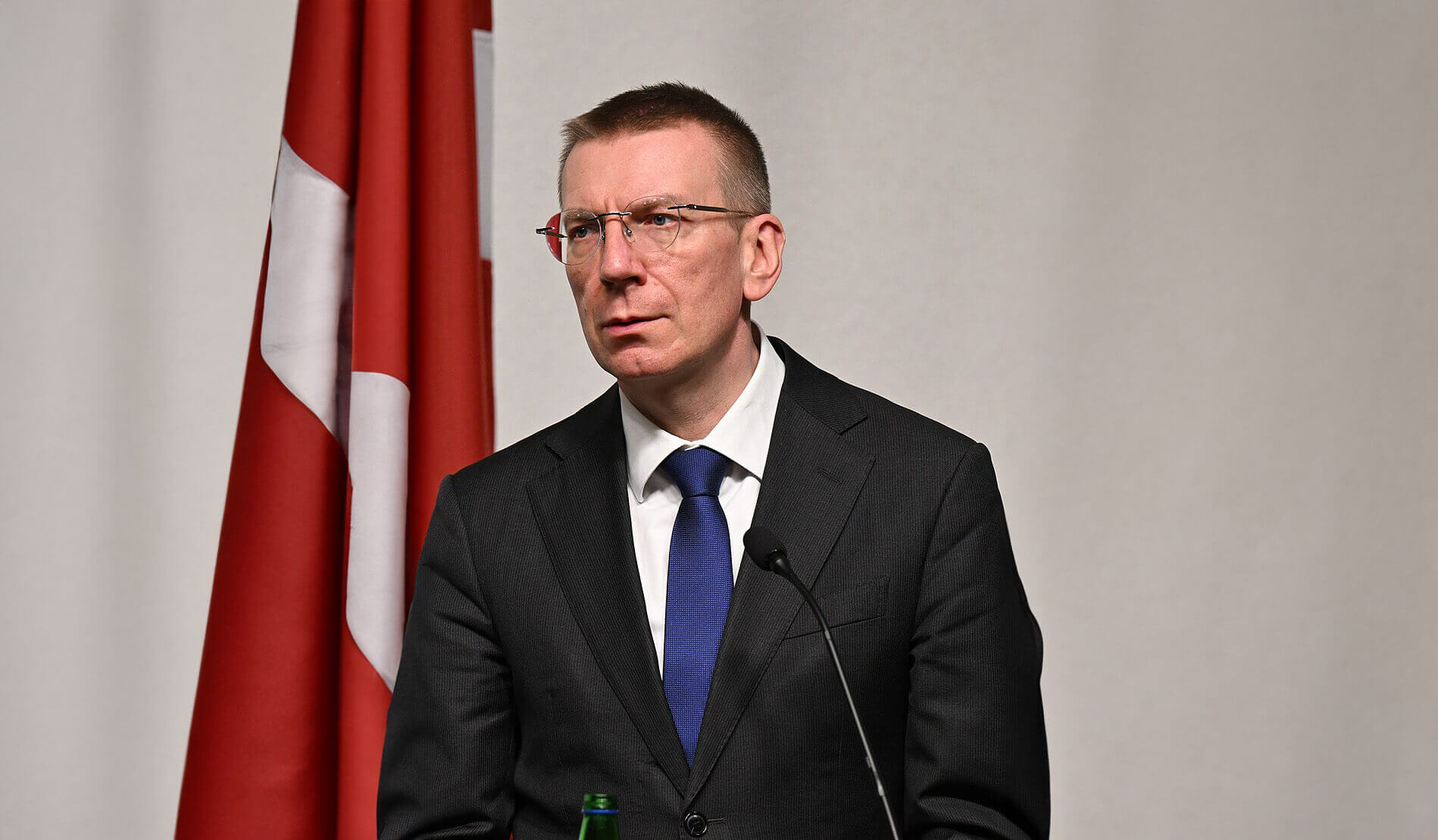
The timing of the retirement—set for July 2026—allows for a planned transition. This avoids the vacuum of leadership that often occurs during abrupt changes. By aligning the retirement with the end of a contract term, the administration maintains stability in the command structure of the National Armed Forces.
Frequently Asked Questions
According to the presidential order, the retirement is scheduled for July 30, 2026.
He served as the project manager for the NATO and allied military infrastructure projects department within the Ministry of Defence.
Their primary goals are to protect maritime borders, ensure the defense of territorial waters and internal waters, and control the exclusive economic zone.
What do you think about the current shift toward increased NATO infrastructure in the Baltics? Share your thoughts in the comments below or subscribe to our newsletter for deeper insights into European defense.