
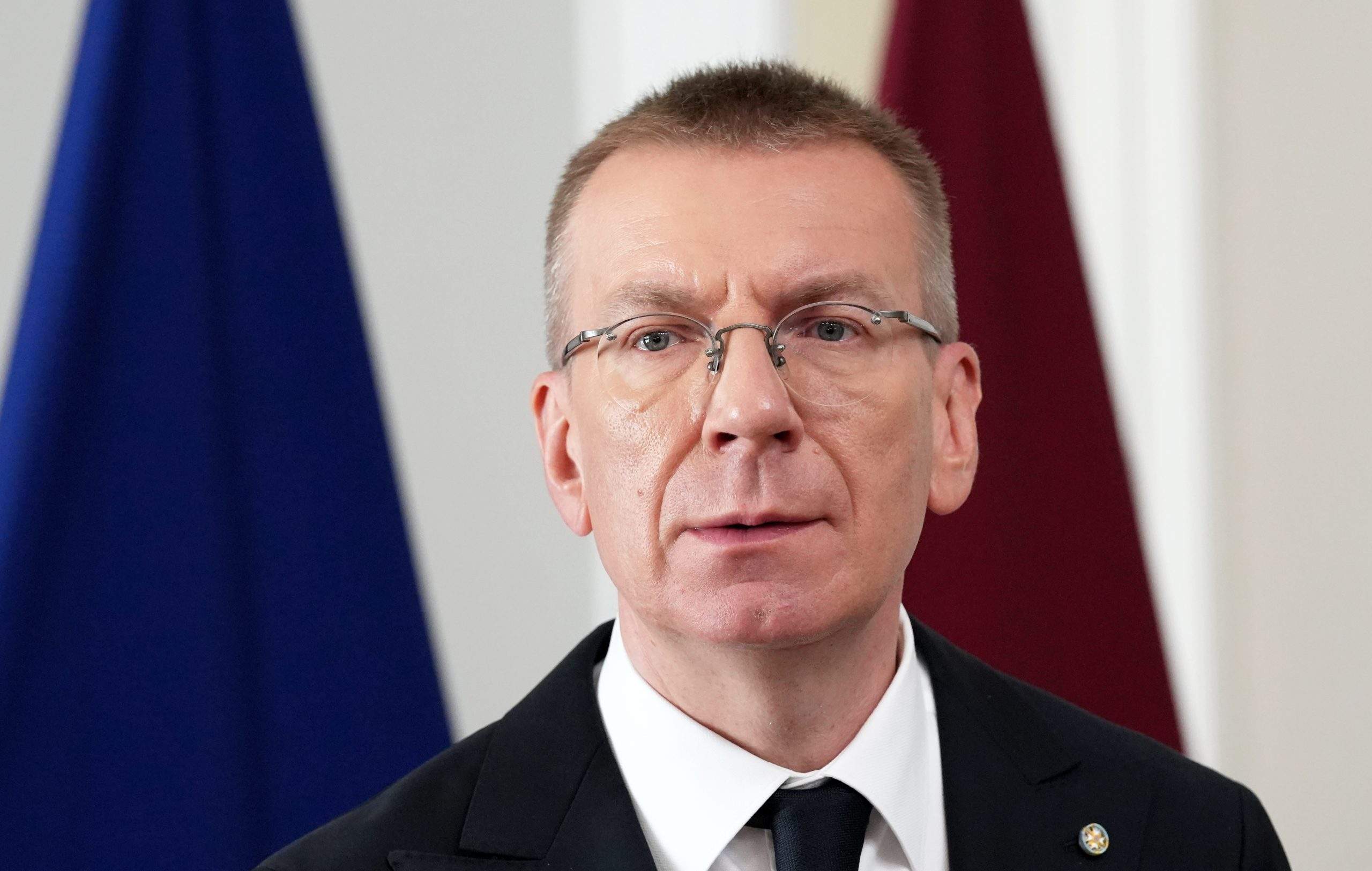
Latvian President Rinkēvičs: NATO Must Be Prepared for Worst-Case Scenarios with Russia
The New Era of Collective Security: Why NATO’s Eastern Flank is the Global Litmus Test
The geopolitical landscape of Europe has shifted fundamentally. As Latvian President Edgars Rinkēvičs recently emphasized in a candid interview, the security of the Baltic states is no longer a regional concern—it is the bedrock of global stability. For NATO and the European Union, the message is clear: the era of complacency is over and the era of “preparedness as deterrence” has begun.
The Deterrence Paradox: Preparing for the Worst to Ensure the Best
Rinkēvičs’ stance highlights a critical strategic shift: deterrence through readiness. When a nation is visibly prepared for the “worst-case scenario,” the cost of aggression becomes too high for an adversary to calculate as profitable. This isn’t just about troop numbers; it’s about integrated defence systems, drone warfare capabilities, and the seamless interoperability of NATO forces.
According to NATO’s latest strategic concept, the alliance has moved from a “tripwire” strategy to a “forward defence” posture. This means that an attack on a single member is effectively an attack on the entire collective. For investors, policymakers, and citizens, this signals a long-term commitment to defence infrastructure that will likely dominate European budgets for the next decade.
The Shift Toward Technological Sovereignty
Latvia’s focus on drone and anti-drone technology is a case study in modern asymmetric warfare. By partnering directly with Ukraine, Baltic nations are not just providing aid—they are stress-testing the latest military technologies in real-world conditions. This creates a feedback loop where defence innovation cycles are shortened from years to months.
The Diplomatic Deadlock: Why “Wait-and-See” Isn’t a Strategy
The current diplomatic impasse regarding the conflict in Ukraine is symptomatic of a deeper reality: Moscow currently views the conflict as a zero-sum game. President Rinkēvičs hits on a vital truth—meaningful negotiations are contingent upon the adversary realizing that a military victory is unattainable.
History shows that diplomatic breakthroughs in high-stakes conflicts often occur only after a shift in the battlefield calculus. As the global community watches, the pressure on supply chains, energy markets, and international coalitions remains high. Maintaining sanctions and diplomatic isolation is not merely a political gesture; it is a tool to accelerate the moment when the costs of continued conflict outweigh the perceived benefits for the aggressor.
Frequently Asked Questions
- Is an attack on the Baltics really an attack on the whole of NATO?
- Yes. Under Article 5 of the North Atlantic Treaty, an armed attack against one or more members is considered an attack against them all, triggering a collective defence response.
- Why is European investment in defence increasing?
- European nations are moving to reduce their reliance on US military support, aiming to create a more resilient “European pillar” within NATO that can handle regional threats independently.
- What role do drones play in modern conflict?
- Drones have transformed modern warfare by providing low-cost, high-precision capabilities that allow smaller forces to counter significantly larger military assets, making them a priority for defence budgets globally.
The Path Forward: Resilience and Unity
As we navigate this period of uncertainty, the takeaway for the public is resilience. Security is not just a military matter; it is economic, technological, and societal. Strengthening ties between the Nordic, Baltic, and Central European nations is the modern architecture of peace.
What do you think is the biggest challenge for global security in the coming years? Share your thoughts in the comments below or subscribe to our weekly intelligence briefing to stay ahead of the latest geopolitical trends.