
Learn the Mvskoke Language Online
The Digital Renaissance: How Technology is Saving Endangered Indigenous Languages
For decades, the struggle to preserve Indigenous languages was fought in small community centres and dusty archives. But a shift is happening. As seen with the Muscogee (Creek) Nation’s Mvskoke Language Program, the classroom is no longer a physical destination—it is a digital space. The transition to Zoom “mini-mesters” and online foundational courses is more than just a convenience; it is a blueprint for a global movement in linguistic reclamation.

When we look at the trajectory of language revitalization, we aren’t just seeing a change in where people learn, but how they engage with their heritage. The barriers of geography and time, which once silenced ancestral tongues, are being dismantled by high-speed internet and a renewed sense of cultural identity.
From Zoom Calls to AI: The Next Wave of Language Learning
The current success of online sessions for the Mvskoke language highlights a critical need for “low-barrier” entry points. For many, the fear of a daunting grammar system is the biggest hurdle. By breaking learning into digestible, online increments, educators are lowering the psychological wall for beginners.
Looking forward, the trend is moving toward Hyper-Personalized Learning. We are seeing a shift from synchronous Zoom classes to asynchronous, AI-driven platforms. Imagine an AI tutor trained specifically on the nuances of Mvskoke phonetics, allowing a student in a different time zone to practice pronunciation in real-time without needing a live instructor available.
The Rise of Gamification in Heritage Languages
The “mini-mester” concept is a precursor to gamified learning. The future of Indigenous language education likely involves apps that utilize “streaks,” reward systems and interactive storytelling. By turning the acquisition of a native tongue into a rewarding daily habit, programs can maintain the engagement of younger, digital-native generations.
Case studies from the Māori language revitalization in New Zealand show that when language is integrated into daily digital interactions—social media, texting, and gaming—the rate of fluency among youth increases exponentially. This “digital immersion” is the next logical step for programs like those offered by the Mvskoke Language Program.
Bridging the Generational Divide Through Virtual Reality
One of the greatest challenges in language preservation is the gap between the last remaining fluent elders and the youth. Technology is now acting as the bridge. We are entering an era of Virtual Immersion.
Imagine a VR environment where a student can “walk” through a traditional Mvskoke village, interacting with digital avatars of elders who speak the language in context. This removes the sterility of a screen and replaces it with an experiential environment, making the language feel lived rather than just studied.
The Psychological Impact of Linguistic Reclamation
Language is more than a tool for communication; it is a vessel for a worldview. When a citizen regains their native tongue, they aren’t just learning words—they are reclaiming a way of thinking. This is why the “beginner-friendly” approach championed by coordinators like Johnny Childress is so vital.
By removing the “daunting” nature of the language and framing it as more straightforward than English, educators are performing a act of psychological healing. This trend toward Trauma-Informed Language Learning recognizes that for many Indigenous people, the loss of language was not accidental but forced. The process of learning it back must be empowering and supportive, not academic and rigid.
Semantic Shifts in Modern Education
We are seeing a move away from “Language Preservation” (which implies keeping something in a museum) toward “Language Revitalization” (which implies bringing something back to life). This semantic shift reflects a move toward active usage in modern contexts—using Mvskoke in business, art, and digital governance.
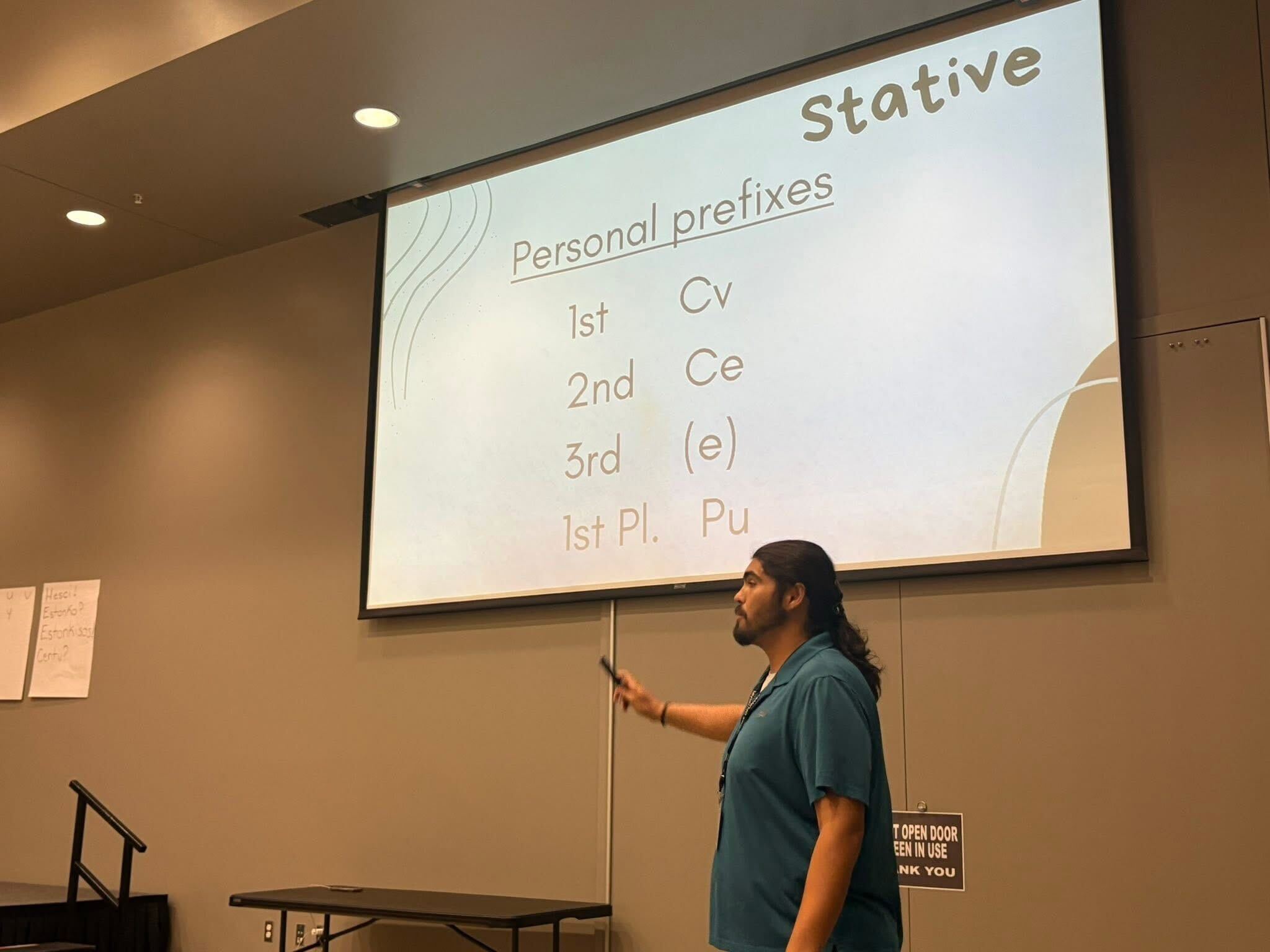
.png "Mvskoke Language Program online learning")
Frequently Asked Questions
Why are online classes better for Indigenous languages than traditional classrooms?
Online classes remove geographic barriers for tribal citizens living outside reservation boundaries and provide a flexible schedule for those with full-time jobs or family responsibilities.
Is it too late to start learning a language if I’m an adult?
Never. While children pick up languages faster, adults often have better meta-cognitive skills to understand grammar and a deeper emotional motivation to connect with their heritage.
How does AI help in preserving endangered languages?
AI can help transcribe thousands of hours of old recordings, create automated pronunciation guides, and build dictionaries that are searchable and accessible to the public instantly.
The journey from a few phrases on a website to live interactive Zoom sessions is a testament to the resilience of the Mvskoke people. As technology continues to evolve, the distance between a person and their ancestry grows shorter.
Are you currently learning a heritage language or using digital tools to reconnect with your roots? Share your experience in the comments below or subscribe to our newsletter for more insights on cultural preservation in the digital age.