
Lebanon and Israel Set for Fifth Round of Washington Talks on Ceasefire Implementation
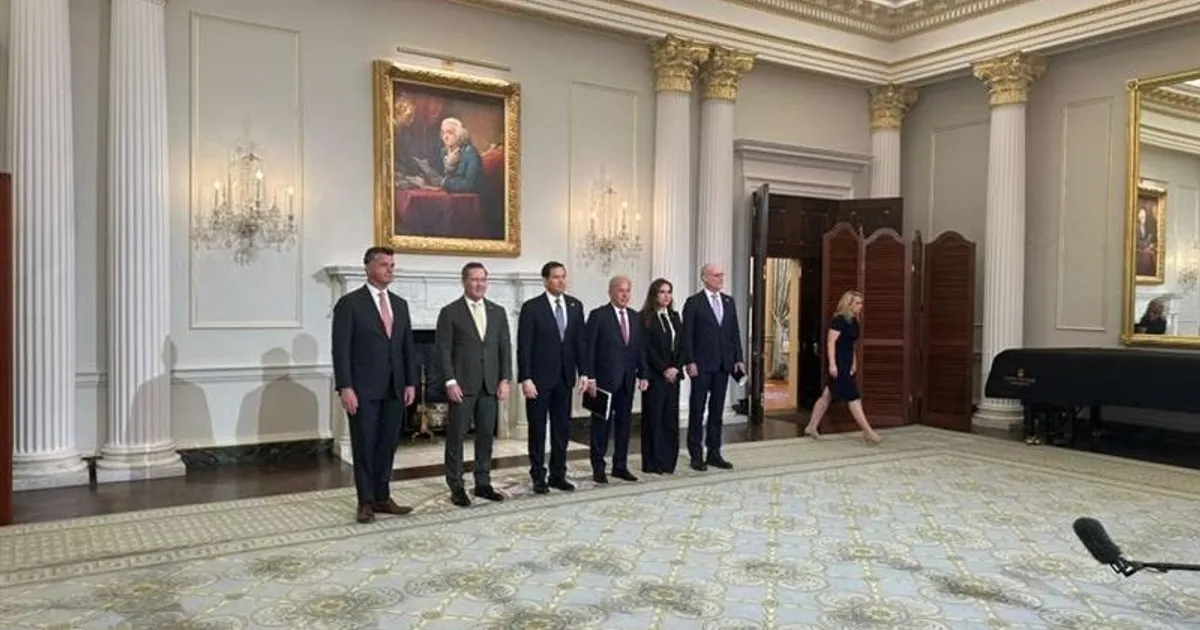
Washington is set to host the fifth round of negotiations between Lebanon and Israel on Tuesday, focusing on the implementation of a ceasefire agreement reached during previous mediation. The talks will include the ambassadors of both nations and three brigadier-general-level officers, according to reports on the upcoming diplomatic session.
The Lebanese Ministry of Public Health reported a cumulative toll of 4,175 deaths and 12,164 injuries resulting from the conflict between March 2 and June 22.
Negotiation Goals and Troop Deployments
The upcoming Washington meetings aim to finalize the initial details for the withdrawal of Israeli forces from southern Lebanon, according to the Israeli public broadcaster Kan. This process is tied to a previously agreed-upon experimental phase that mandates the Lebanese Armed Forces assume exclusive control over these territories, while excluding non-state armed groups.
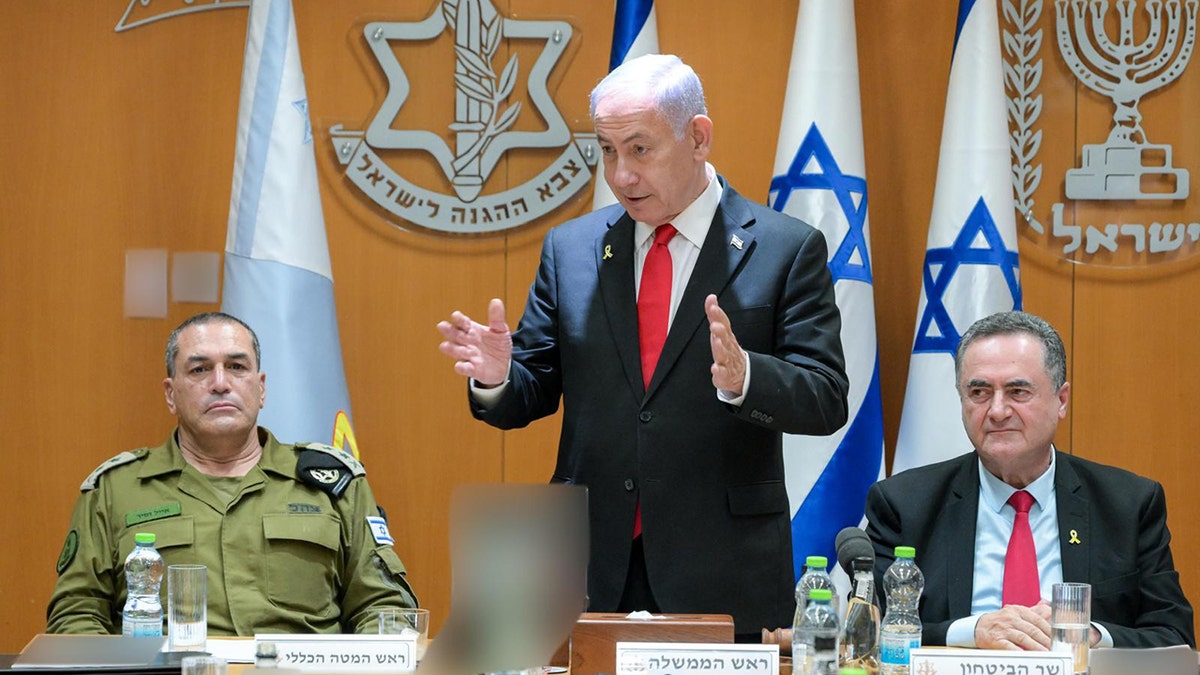
While the goal remains a transition to Lebanese military control, Israeli officials have confirmed that their forces will continue to maintain a security zone in the region. A joint statement from Prime Minister Benjamin Netanyahu, Defense Minister Israel Katz, and the military leadership emphasized this ongoing presence. However, Kan reported that Israeli sources are considering the possibility of a gradual withdrawal during the experimental phase.
Samantha Carter notes that the tension between Israel’s stated intent to hold a security zone and the push for a Lebanese-led withdrawal suggests a high-stakes diplomatic balancing act. The move toward “symbolic withdrawals” indicates a potential effort to prioritize diplomatic progress and separate the Lebanese file from broader regional tensions, such as negotiations between the U.S. and Iran.
Diplomatic Oversight and Verification
The United States has intensified its oversight of the ceasefire, recently approving a mechanism to verify potential violations. According to a U.S. State Department official, Secretary of State Marco Rubio held separate calls with Lebanese President Joseph Aoun and Israeli Prime Minister Benjamin Netanyahu on Friday to stabilize the ceasefire.
Following these contacts, the U.S. military’s Central Command (CENTCOM) initiated a monitoring mechanism to provide decision-makers with real-time data on combat activity. President Aoun also discussed these efforts with U.S. Vice President JD Vance, Qatari Prime Minister Mohammed bin Abdulrahman Al Thani, and White House envoy Jared Kushner. The Lebanese presidency stated that Rubio reaffirmed U.S. support for the Lebanese military and the expansion of the state’s authority across all national territories.
Potential for Symbolic Withdrawals
CNN reported that Israeli officials are considering an announcement of “symbolic withdrawals” from specific areas as a gesture of goodwill. This proposal, discussed three days prior to the Washington meetings, involves pulling troops back from limited zones behind the “Yellow Line”—a boundary established following the April ceasefire. Analysts expect this move, if implemented, to serve as a signal of Israel’s commitment to the diplomatic track.
Frequently Asked Questions
What is the primary objective of the Tuesday negotiations in Washington?
The talks aim to follow up on the ceasefire agreement and define the details for an experimental withdrawal of Israeli forces to allow the Lebanese military to take control of southern territories.
How is the U.S. monitoring the ceasefire?
The U.S. has established a verification mechanism through the Central Command (CENTCOM) to provide immediate information regarding fighting and potential violations.
What are “symbolic withdrawals” in the context of these talks?
According to a source cited by CNN, these are potential troop movements from limited areas behind the “Yellow Line,” intended as a diplomatic gesture of goodwill toward the Lebanese government.
What impact do you believe these diplomatic efforts will have on the long-term stability of the region?