
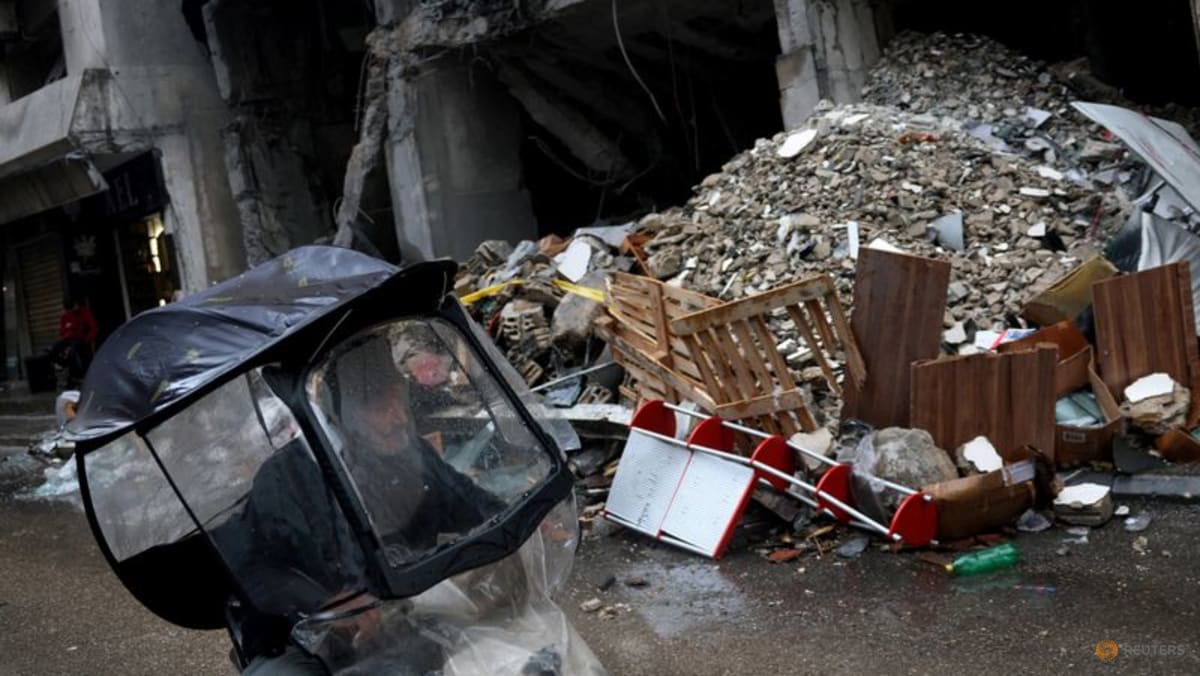
Lebanon central bank condemns Israeli strike on branch in south
The Central Bank of Lebanon (Banque du Liban) has officially condemned an Israeli strike on its Nabatieh branch, characterizing the event as a “direct and deliberate” attack on an institution of the Lebanese state. While the building remained empty and sustained only material damage, the incident highlights the ongoing fragility of a ceasefire agreement between Israel and Hezbollah, as regional hostilities persist despite diplomatic efforts by Washington and Tehran.
How does the attack on the central bank impact regional stability?
Targeting a central bank branch represents an escalation in the conflict between Israel and Hezbollah, moving beyond traditional military installations to state-owned financial infrastructure. According to a statement issued by the Bank of Lebanon, the strike was an assault on an institution “inseparable from Lebanese state institutions.” By calling on the United States and international allies to guarantee the protection of civilian and official buildings, the bank is signaling a shift toward internationalizing the dispute to prevent further damage to the country’s remaining economic pillars.
The Nabatieh region has become a flashpoint in the conflict, with Lebanese state media reporting air raids across approximately 20 locations in the area on Saturday.
What is the status of the current ceasefire?
Hostilities continue to occur despite a memorandum of understanding signed by Tehran and Washington, which ostensibly established a ceasefire on Friday. While the agreement was intended to de-escalate tensions, Israeli forces and Hezbollah militants have continued to clash in southern Lebanon. Hezbollah reported that its fighters confronted Israeli ground forces attempting to infiltrate strategic hills overlooking Nabatieh, an area where the Lebanese civil defence agency reported 16 deaths following recent air raids.
Why are Israeli forces targeting the Nabatieh region?
The Nabatieh region remains a strategic objective for Israeli military operations due to its proximity to hills that provide a tactical vantage point over southern Lebanon. According to observations by an AFP photographer, smoke has been a constant presence over the city throughout the weekend. The conflict in this sector traces back to early March, when Hezbollah entered the regional fray following the killing of Iran’s supreme leader in joint US-Israeli strikes.
When monitoring volatile regions, check updates from official state civil defence agencies and local central bank statements to distinguish between military infrastructure and civilian state assets.
Frequently Asked Questions
Was there anyone inside the Bank of Lebanon during the strike?
No. The central bank confirmed the building was empty at the time of the attack, resulting in only material damage.
What is the current death toll in the Nabatieh area?
According to the Lebanese civil defence agency, 16 people were killed in the Nabatieh region during the latest round of Israeli air raids.
Why is Hezbollah involved in this conflict?
Hezbollah initiated its involvement in early March, stating its actions were in retaliation for the killing of Iran’s supreme leader during US-Israeli strikes.
Stay informed on the latest developments in the Middle East by subscribing to our daily newsletter. Have questions about the economic impact of these regional tensions? Drop a comment below to join the discussion.