

LG C5 OLED 77-Inch TV Deal: Save 45% at Best Buy
High-performance OLED TVs, such as the LG C5, are merging professional gaming monitor specifications with home cinema scale. According to ZDNET, features like 144Hz refresh rates, Nvidia G-Sync support, and 0.1ms response times are now standard in flagship OLEDs, effectively removing the performance gap between living room displays and dedicated gaming rigs.
Why are gaming monitors and OLED TVs merging?
The line between a PC monitor and a television has blurred because of Variable Refresh Rate (VRR) technology. ZDNET reports that the LG C5 supports both Nvidia G-Sync and AMD FreeSync, allowing the screen to synchronize its refresh rate with the graphics card to prevent screen tearing.
While many TVs maintain a 120Hz base refresh rate, the LG C5 can boost to 144Hz. This shift matters because it caters to the “prosumer” who wants a single screen for both 4K cinema and competitive gaming. By achieving response times as low as 0.1ms, these displays match the latency of purpose-built gaming monitors.
How will ultra-thin display technology change home design?
Hardware is shrinking while screen size grows. A ZDNET reviewer described the LG C5 as having a “futuristic aesthetic,” specifically noting a screen thickness of just 0.25 inches. This trajectory suggests a future where TVs function more like digital wallpaper than bulky appliances.
This thinness is a direct result of OLED’s self-emissive pixels. Unlike LED-LCD screens, which require a separate backlight panel, OLED pixels produce their own light. This allows for the “inky blacks” and sharper contrast mentioned by ZDNET, while physically reducing the depth of the chassis.
As manufacturers push toward thinner profiles, the integration of ambient light sensors becomes critical. The LG C5 uses these sensors to monitor room lighting and adjust brightness automatically, ensuring visibility regardless of the environment.
What is the future of AI-driven picture and sound adjustment?
Future home cinema trends are moving toward “ecosystem audio,” where the TV acts as the brain for the entire room. LG uses a “Sound Sync” feature to allow TV speakers and branded soundbars to work in tandem, creating a fuller audio profile than a standalone soundbar provides.
The integration of Dolby Atmos virtual surround sound and Dolby Vision HDR indicates a trend toward software-defined environments. Instead of requiring ten physical speakers, AI-driven processing mimics spatial audio by bouncing sound waves off walls.
Comparing this to previous generations, the focus has shifted from raw resolution (4K) to “intelligent” quality. The ability of a TV to recognize the content—switching automatically to a “gaming picture mode” to lower latency—shows that the hardware is becoming context-aware.
Performance Comparison: OLED vs. Standard LED
| Feature | Standard LED/LCD | LG C5 OLED |
|---|---|---|
| Black Levels | Dark Gray/Glowing | Perfect Inky Black |
| Response Time | Moderate (ms) | As low as 0.1ms |
| Thickness | Several inches | 0.25 inches |
FAQs About Modern OLED Trends
What is VRR and why does it matter for TVs?
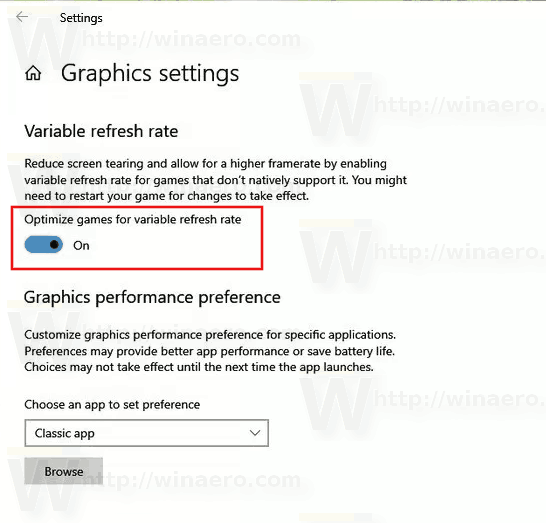
Variable Refresh Rate (VRR) allows the TV to adjust its refresh rate in real-time to match the output of a console or PC. This eliminates stuttering and screen tearing during fast-paced gaming.
Is 144Hz necessary for movie watching?
No. Most movies are filmed at 24fps. However, 144Hz is critical for gaming and live sports, where high-motion clarity prevents blur.
Does Dolby Atmos require external speakers?
While Dolby Atmos is best experienced with a full surround system, many modern TVs use virtual surround sound to simulate the effect through built-in speakers.
For more insights on the latest display technology, check out our guides on the best 4K HDR setups and comparing OLED vs. QD-OLED panels. You can also find detailed hardware benchmarks at RTINGS.
What feature is most important for your next TV: gaming speed or cinematic color? Let us know in the comments below or subscribe to our newsletter for more tech deep-dives.