

Libros Libres: Interactive Book Initiative Launches in San José for Book Day
The Evolution of the “Street Library”: Beyond the Little Free Library
For decades, the act of sharing books was confined to dusty library shelves or the occasional “take a book, leave a book” box on a neighborhood corner. However, we are witnessing a fundamental shift in how literature interacts with urban spaces. The concept of “Libros Libres” or free books is evolving from a passive exchange into an active, community-driven experience.
The modern trend is moving toward guerrilla literacy. Instead of waiting for readers to find a library, the library is finding the readers. By strategically placing books in parks, cafes, and transit hubs, organizers are breaking the psychological barrier that often makes traditional libraries feel intimidating or inaccessible to certain demographics.
This approach mirrors the global success of the Little Free Library movement, which has seen over 150,000 charters worldwide. But the next frontier isn’t just about the physical box; it’s about the journey of the book itself.
The “Phygital” Pivot: Merging Ink and Pixels
The integration of QR codes into physical book sharing is a prime example of phygital marketing—the blending of physical and digital experiences. When a reader finds a book and scans a code, the object ceases to be just paper and ink; it becomes a portal.
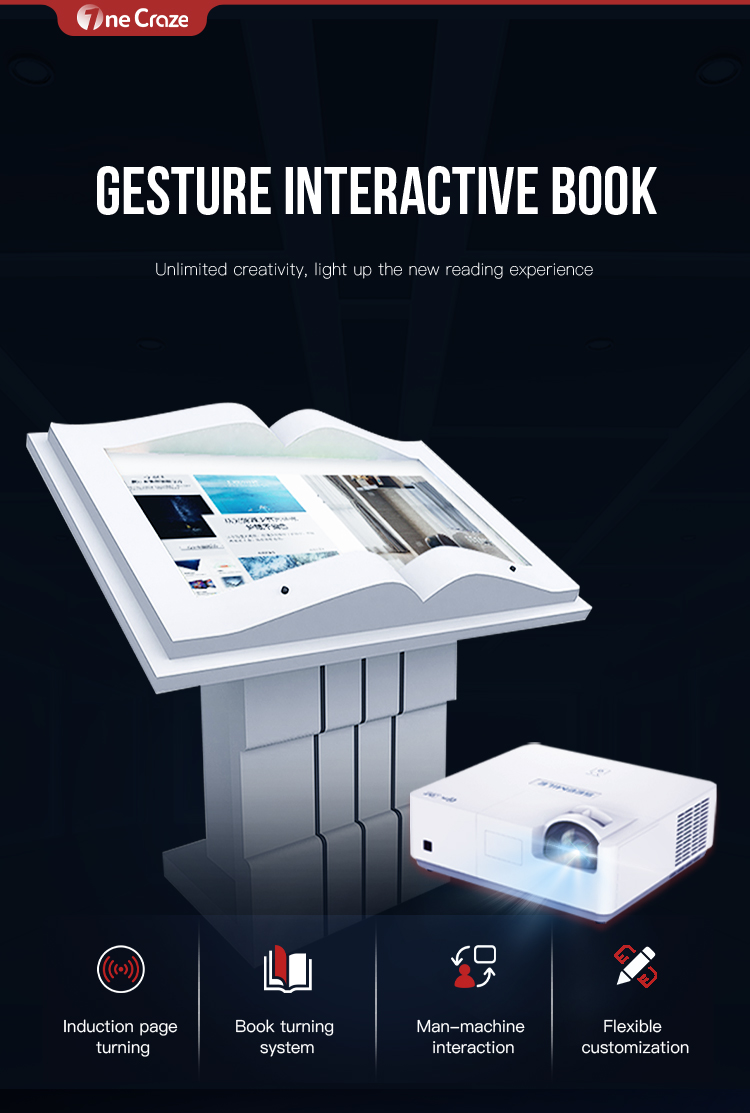
Future trends suggest that these QR codes will evolve into immersive storytelling tools. Imagine scanning a book found in a public square and instantly hearing a curated playlist designed by the previous reader to accompany the story, or accessing an Augmented Reality (AR) map showing all the other “free books” hidden in the city.
This data-driven approach allows organizers to track “reading heatmaps.” By analyzing which locations yield the most scans, cities can better understand the cultural appetite of different neighborhoods, allowing for more tailored educational initiatives. If you’re interested in how technology is reshaping education, check out our guide on the future of digital literacy.
From Passive Reading to Social Interaction
Reading has traditionally been a solitary act. However, the trend is shifting toward social reading. By using forms and digital check-ins, “free book” initiatives turn a private hobby into a collective game. This gamification of literacy encourages people to participate not just for the story, but for the sense of belonging to a hidden urban club.
Sustainable Reading and the Circular Economy
In an era of hyper-consumption, the “free book” model aligns perfectly with the circular economy. The publishing industry is under increasing pressure to address its environmental footprint, and the promotion of second-hand, shared reading is a direct response to this.

We are seeing a rise in “Slow Reading” movements, where the focus shifts from the quantity of books consumed to the quality of the interaction. Sharing a physical book reduces the demand for new print runs and encourages a culture of stewardship rather than ownership.
According to data from UNESCO, increasing access to reading materials in public spaces is one of the most effective ways to boost adult literacy rates in developing urban areas. By removing the financial and bureaucratic barriers of a library card, “free books” democratize knowledge in its purest form.
Frequently Asked Questions
Traditional libraries provide structured access and curation. Free book initiatives focus on serendipity, accessibility, and the thrill of discovery, removing the need for registration or deadlines.
Can QR codes really improve literacy?
While the code itself doesn’t teach reading, it lowers the barrier to entry. It gamifies the experience, making the act of finding a book feel like a reward, which is a powerful psychological motivator for reluctant readers.
What is the future of physical books in a digital world?
Physical books are becoming “prestige objects” and tools for community connection. The trend is moving toward a hybrid model where the physical book provides the tactile experience and the digital layer provides the social and interactive context.
What do you think? Would you be more likely to pick up a book if you found it “in the wild” with a digital twist? Have you seen any creative book-sharing projects in your own city? Share your experiences in the comments below or subscribe to our newsletter for more insights into the future of culture and technology!