

Life-Threatening Childbed Fever Outbreak Linked to Midwife in Sweden
Seven women in Skåne, Sweden, contracted childbed fever during an unusual outbreak traced to a single midwife, according to an internal investigation by Region Skåne. The infection, caused by Group A streptococci, entered the patients through sutured delivery tears and led to life-threatening conditions for some, including 32-year-old Alissa Nyberg.
Nyberg gave birth to her daughter, Majken, in Lund after the Malmö delivery ward reached capacity. During the birth, Nyberg suffered a grade two tear that required stitching. Following the delivery, she developed chills and a high fever.
Hospital staff initially believed the fever was caused by the mother’s milk coming in. However, Nyberg’s condition worsened, leading to her transfer to an intensive care unit. A bacterial culture later confirmed she had contracted childbed fever, an infection of the uterus that can lead to sepsis if left untreated.
How was the infection source identified?
An internal investigation by Region Skåne, submitted to the Health and Social Care Inspectorate (IVO), identified seven affected women across three different clusters. Two of these women developed bacteremia, meaning bacteria entered their bloodstream.
Health officials tested more than 100 employees to find the source. The investigation focused on a midwife present at six of the seven births. The source was confirmed when a culture from an eczema patch behind the midwife’s ear tested positive for the exact same bacterial strain found in the patients.
What changes have hospitals implemented?
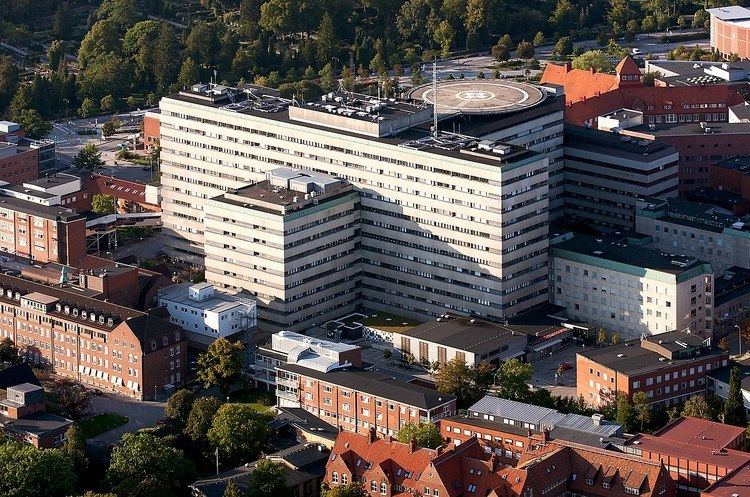
Charlotte Hellsten, the head of obstetrics and gynecology at Skånes University Hospital, told Skånska Dagbladet that the hospital viewed the incident as very serious. Hellsten stated that the suspected source of infection was treated and new hygiene routines were introduced.
According to the Region Skåne investigation, these updated protocols now include a requirement for staff to wear face masks while suturing delivery tears. Hellsten noted that no new cases have occurred since these measures were implemented.
What were the consequences for the patients?
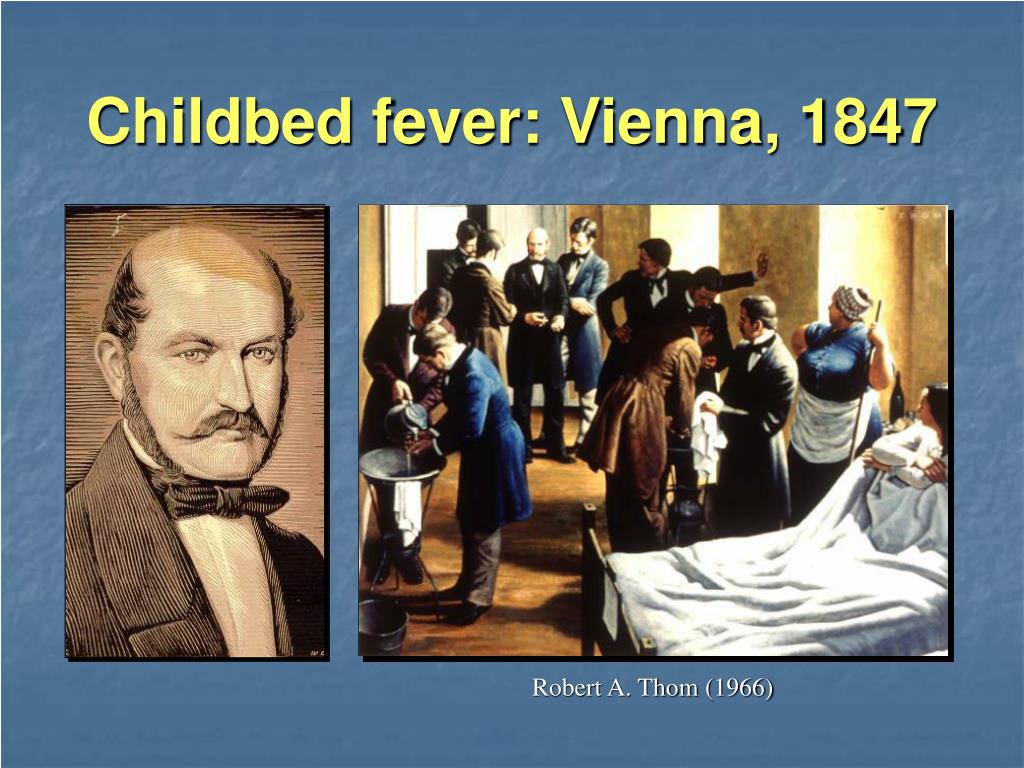
Nyberg remained hospitalized for one week and spent several subsequent weeks recovering. She reported observing staff members failing to sanitize their hands before putting on gloves, a concern supported by experts in a Läkartidningen article.
Nyberg filed a claim for medical injury and received 5,700 SEK in compensation for pain and suffering. She now urges new parents to immediately report symptoms such as fever, chills, or foul-smelling discharge.
What may happen next?
Medical facilities in the region could see a permanent shift toward more stringent masking requirements during all postpartum surgical procedures. It is likely that health authorities will continue to monitor for Group A streptococci clusters to ensure the new hygiene routines are effective.
Patients may become more vigilant regarding provider hygiene, and hospitals could implement more rigorous skin-screening protocols for staff working in high-risk maternity wards.
Frequently Asked Questions
What are the common symptoms of childbed fever?
According to 1177 Vårdguiden and Läkartidningen, symptoms include a fever over 38 degrees Celsius, pain in the lower abdomen, and foul-smelling discharge.
How did the bacteria enter the patients’ bodies?
The Region Skåne internal investigation concluded that the bacteria entered through tears that occurred during childbirth and were subsequently sutured.
Who was responsible for the outbreak?
The infection was traced to a midwife who had a positive bacterial culture from an eczema patch behind her ear; this midwife was present at six of the seven affected births.
Do you believe current hospital hygiene protocols are transparent enough for patients to monitor?