

Lifestyle Changes Reduce Risk of Multiple Chronic Diseases
A 20-year study of 1,173 people with prediabetes found that intensive lifestyle changes—including healthy eating and regular exercise—reduced the risk of developing two or more chronic diseases by 21% compared to a placebo. According to researchers, these benefits extend beyond diabetes prevention to include conditions like heart failure and dementia.
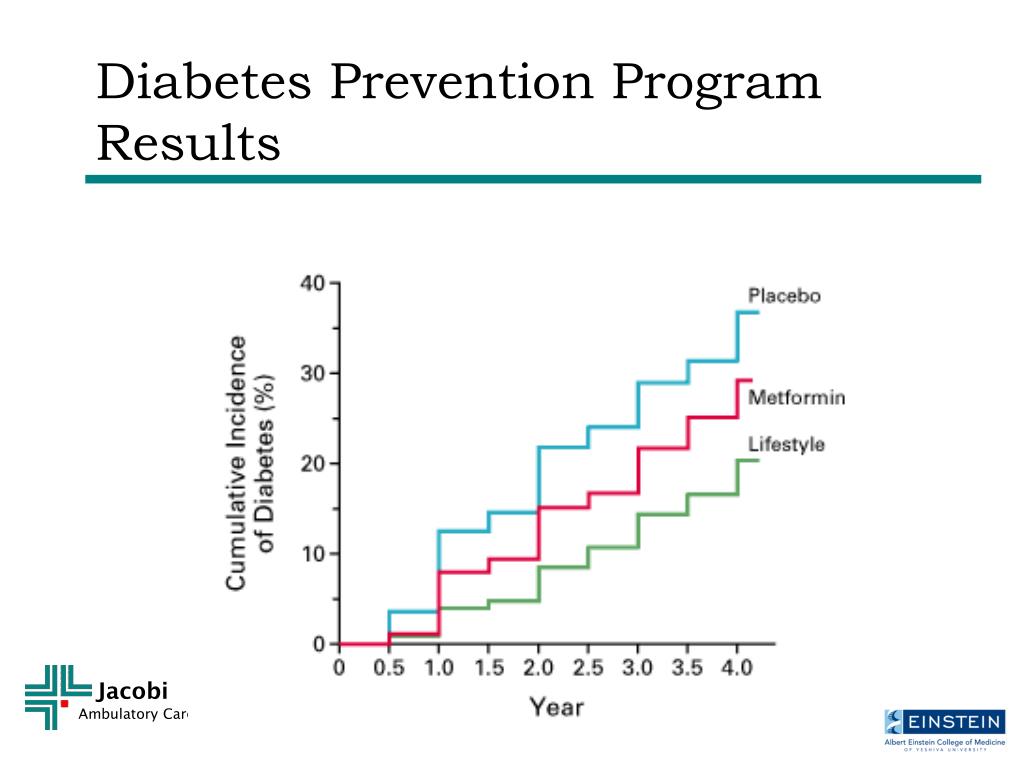
The research analyzed data from the Diabetes Prevention Program (DPP) and its subsequent Outcomes Study (DPPOS). Participants were split into three distinct groups: one receiving a daily placebo, one taking the diabetes medication metformin, and a third following a program of healthy nutrition and regular exercise aimed at a weight loss of at least 7% of total body weight.
How do lifestyle changes impact chronic disease risk?
Participants in the diet and exercise group showed a significantly lower likelihood of developing clusters of chronic diseases over the two-decade follow-up. Researchers found that this reduced risk remained even when diabetes was removed from the list of tracked conditions.
The lifestyle intervention group faced a 21% lower risk of “multimorbidity”—the presence of two or more chronic diseases—than the placebo group. In contrast, researchers observed no significant difference in multimorbidity risk between those who took metformin and those who received the placebo.
What specific diseases were tracked in the study?
Researchers monitored 15 different chronic conditions to determine the impact of the interventions. These included:
- Hypertension and Hyperlipidemia
- Heart failure, Coronary artery disease, and Heart rhythm disorders
- Stroke
- Chronic kidney disease
- Chronic obstructive pulmonary disease (COPD) and Asthma
- Dementia, including Alzheimer’s disease
- Cancer
- Arthritis and Osteoporosis
- Depression
- Diabetes
To ensure accuracy, the researchers adjusted for variables including age, gender, race, ethnicity, alcohol consumption, and body mass index (BMI).
Why does multimorbidity matter for aging populations?
Marcel Salive, a health expert at the U.S. National Institute on Aging, stated that preventing multiple chronic diseases is vital for maintaining quality of life, independence, and reducing health expenditures. Researchers concluded that intensive lifestyle changes may prevent or delay multimorbidity in adults with high diabetes risk.
Despite the benefits of the lifestyle program, the study revealed a stark reality: 85% of all participants developed at least two chronic diseases during the follow-up period. This suggests that while lifestyle changes reduce risk, they do not eliminate the effects of aging entirely.
Epidemiologist Dana Dabelea of the Colorado School of Public Health said the findings demonstrate the long-term value of weight control, physical activity, and healthy eating. Travis Leiker, Deputy Dean of External Relations at the Colorado School of Public Health, added that these results remind public health leaders that preventive health investments are essential as chronic disease rates and costs rise.
What may happen next for preventive health?
Future public health policies could shift toward prioritizing intensive lifestyle interventions over purely pharmacological approaches for prediabetics. Health providers may increase the focus on long-term weight management to delay the onset of multimorbidity.

Given that 85% of the study group still developed multiple conditions, researchers are likely to continue investigating other factors that support healthy aging. This could lead to more personalized preventive strategies based on the 15 chronic diseases identified in the DPPOS data.
Frequently Asked Questions
What is multimorbidity?
As defined by the researchers in this study, multimorbidity is the condition of having two or more chronic diseases simultaneously.
Did the diabetes medication metformin reduce the risk of multiple chronic diseases?
No. The study found no significant difference in the risk of multimorbidity between the group taking metformin and the placebo group.
How effective was the lifestyle program compared to the placebo?
Participants in the healthy diet and exercise program had a 21% lower risk of developing two or more chronic diseases compared to those in the placebo group.
Do you believe preventive lifestyle changes are more effective than medication in long-term aging?