
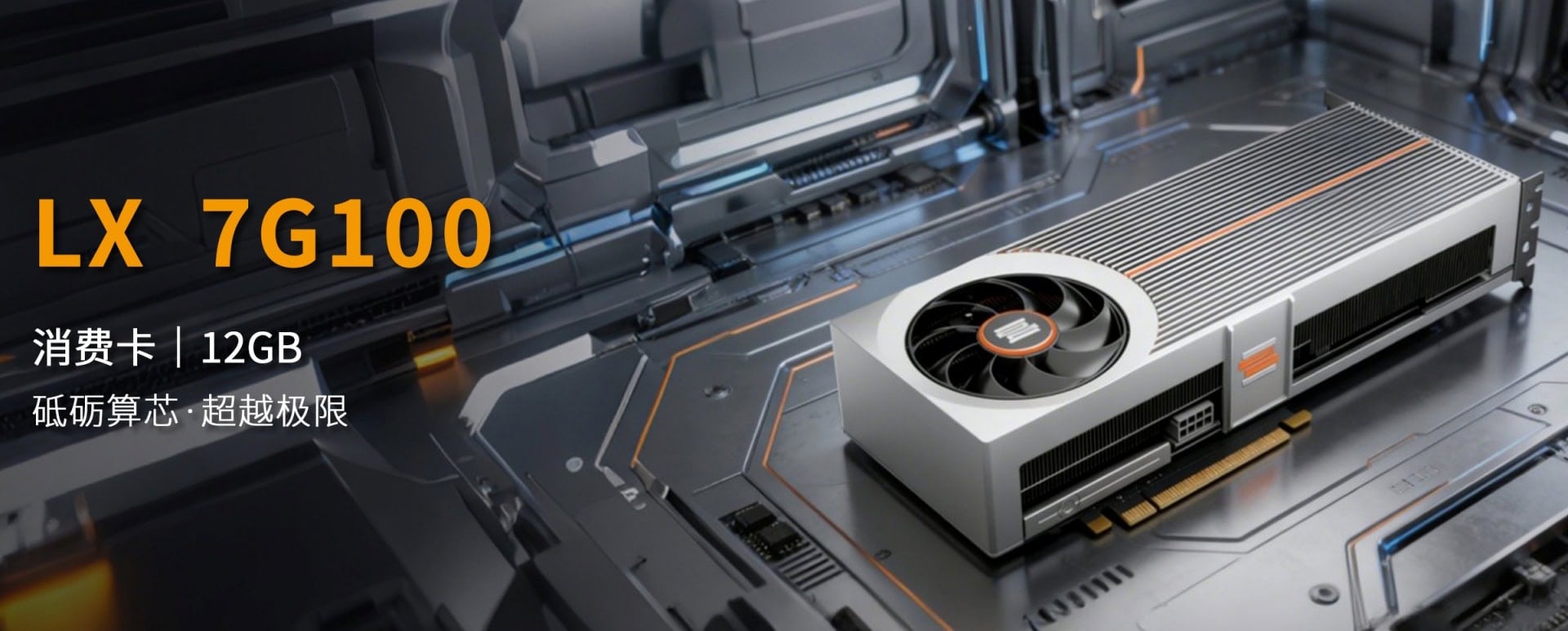
/data/photo/2026/05/26/6a1523e2713f6.png "Lisuan Tech LX 7G100 GPU Sells 30,000 Units in 48 Hours")
Lisuan Tech LX 7G100 GPU Sells 30,000 Units in 48 Hours
The Rise of the “Patriotism Premium”: Why Specs No Longer Rule the GPU Market
For decades, the gaming hardware industry has been a meritocracy of benchmarks. If a graphics card didn’t deliver more frames per second (FPS) or better ray-tracing capabilities than its predecessor, it was dead on arrival. However, the recent surge of Lisuan Tech’s LX 7G100 in China signals a seismic shift in consumer behavior.
We are entering the era of the “Patriotism Premium.” This is a market phenomenon where consumers are willing to overlook inferior performance and higher price points to support domestic innovation. When 30,000 units of a GPU sell out in 48 hours despite performing like a previous-generation card, it’s no longer about the silicon—it’s about the statement.
This trend mirrors what we’ve seen in the smartphone industry, where brands like Huawei regained massive market share in China despite severe US sanctions. The drive to break dependency on Western giants like Nvidia and AMD is transforming hardware purchasing from a technical decision into a geopolitical one.
Breaking the Duopoly: Can Newcomers Survive the “Hype Cycle”?
The GPU market has been a rigid duopoly for years. Nvidia owns the high-end and AI sectors, while AMD competes on value and open-source ecosystems. For a startup like Lisuan Tech to break into the top six on platforms like JD.com is an anomaly that suggests the walls are thinning.

However, the “hype cycle” is dangerous. Lisuan Tech used a classic playbook: limiting supply with a “Founders Edition” and adding personal touches like CEO signatures to create artificial scarcity. While this works for the first 30,000 early adopters, the long-term survival of a hardware brand depends on the iterative loop.
To move beyond a novelty, domestic GPU makers must bridge the “performance gap.” If the second generation of cards doesn’t show a leap in architecture—specifically in Ray Tracing and AI upscaling—the patriotism premium may eventually wear off as gamers prioritize their actual gaming experience over national pride.
The Invisible Win: The Power of WHQL Certification
While benchmarks were disappointing, Lisuan Tech achieved a critical milestone: Microsoft WHQL (Windows Hardware Quality Labs) certification. To the average gamer, this sounds like jargon, but to an industry expert, it’s the real victory.
Driver stability is the “silent killer” of new GPU brands. Many challengers fail not because their hardware is slow, but because their drivers crash. By securing WHQL certification, Lisuan Tech ensured that their cards are stable and compatible with AAA titles out of the box. This lowers the barrier to entry and builds a foundation of trust that is harder to achieve than a high benchmark score.
The Geopolitical Chip War and the Future of Hardware
The success of domestic GPUs is a direct symptom of the ongoing “Chip War.” With the US implementing strict export controls on high-end AI chips and GPU architectures, China is forced to accelerate its own domestic roadmap. This creates a “forced evolution” environment.
You can expect several trends to emerge from this friction:
- Diversified Ecosystems: A world where software developers must optimize games for three or four major GPU architectures instead of just two.
- Localized Standards: The potential for China to develop its own version of DLSS or FSR to compensate for raw hardware deficits.
- Increased Investment in RISC-V: A shift toward open-source instruction set architectures to avoid licensing dependencies on Western technology.
For more on how this affects the global economy, you can explore our analysis on global semiconductor supply chains.
Frequently Asked Questions
Q: Why would someone buy a GPU that is slower and more expensive?
A: In certain markets, the desire to support domestic industry and reduce reliance on foreign technology outweighs the desire for the best price-to-performance ratio.
Q: What is WHQL certification?
A: It’s a testing process by Microsoft that ensures a hardware driver is compatible with Windows and stable, reducing the likelihood of system crashes.
Q: Can Lisuan Tech actually compete with Nvidia in the long run?
A: Only if they can transition from marketing-led growth to engineering-led growth. Hardware loyalty is fragile; eventually, performance must meet the marketing claims.
What’s Your Take?
Would you buy a piece of hardware that performed worse than the competition if it meant supporting your own country’s tech industry? Or is performance the only thing that matters in your rig?
Join the conversation in the comments below or subscribe to our newsletter for the latest insights into the hardware war!