

Living with Hearing Loss: Insights from a YouTube Simulation Experiment
A recent social experiment by German filmmaker Joseph DeChangeman highlights how subtle, progressive hearing loss forces the brain to compensate for lost audio clarity, often leading to social isolation and cognitive exhaustion. By simulating various levels of hearing impairment over 12 hours, the video demonstrates why early detection is critical for preventing the long-term mental health risks associated with untreated auditory decline.
Why does hearing loss go unnoticed for years?
Hearing loss is rarely an abrupt event; it is a gradual process that the brain masks through neuroplasticity. According to DeChangeman’s experiment, the brain compensates for missing audio cues by relying on context, lip-reading, and established language patterns. This internal “filling in” of gaps works effectively until the physiological damage—often in the high-frequency range—becomes too severe to ignore. As noted by audiology professionals, this compensatory effort creates a high “cognitive load,” which is why individuals often mistake their struggle to hear for a speaker’s poor articulation or noisy environmental conditions.
Only 47% of people experiencing hearing impairment currently use hearing aids, according to industry data cited in the experiment. Many wait years to seek help, despite the proven link between untreated hearing loss and an increased risk of dementia.
How does social withdrawal begin?
The transition from mild hearing difficulty to social isolation often happens through a process of “social exhaustion.” In the simulation, DeChangeman observed that as his ability to distinguish consonants like ‘F’ or ‘S’ dropped, his willingness to engage in public settings plummeted. Rather than constantly asking others to repeat themselves, individuals often resort to “social masking”—nodding or smiling to appear engaged while missing the actual content of the conversation. This behavior, documented by the filmmaker, leads to fatigue and a preference for solitude, effectively shrinking an individual’s social circle to avoid the stress of unclear communication.
What are the limits of hearing simulations?
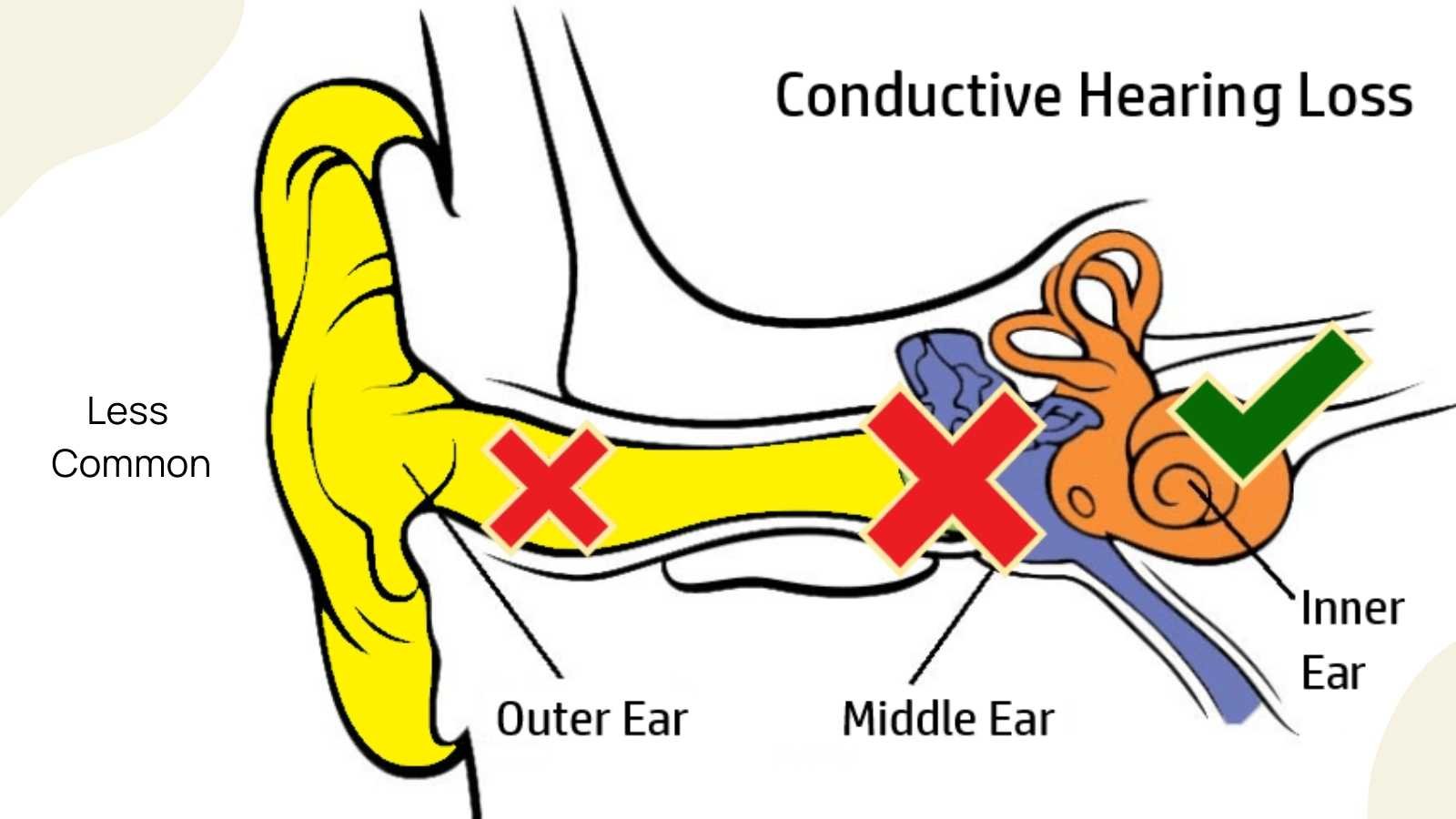
While simulations provide a powerful glimpse into the experience of the hearing impaired, they do not replicate the full physiological reality of clinical inner-ear damage. The experiment utilized noise-canceling headphones to reduce volume and clarity, but it failed to capture the distorted, frequency-specific loss characteristic of sensorineural hearing loss. According to the analysis of the footage, the “unsteadiness” reported by the subject was primarily an effect of the ear-plugging devices (the occlusion effect) rather than a symptom of hearing loss itself. True impairment involves complex neural processing issues that simple volume reduction cannot fully mimic.
How can early detection change outcomes?
Early intervention is the most effective way to preserve both communication skills and long-term cognitive health. Data from the experiment shows that while a person might still understand a full sentence through context, their ability to identify isolated words drops from 100% to 25% under simulated impairment. This drastic decline underscores why medical professionals urge adults to undergo regular, baseline hearing tests regardless of perceived ability. Proactive care prevents the brain from “forgetting” how to process specific sounds, making the transition to hearing technology significantly easier if or when it becomes necessary.

Don’t wait for a crisis to check your hearing. If you find yourself frequently asking, “What was that?” in restaurants or turning the TV volume higher than others, schedule a baseline hearing test with a licensed audiologist this month.
FAQ: Understanding Hearing Health
- Is it normal to lose hearing as I age? While age-related hearing loss is common, it is not inevitable. Regular screenings can detect early signs that are often missed due to the brain’s ability to compensate.
- Why is “nodding along” considered harmful? Pretending to hear prevents the brain from receiving necessary auditory stimuli and accelerates social withdrawal, which is linked to higher rates of cognitive decline.
- Are hearing aids only for the elderly? No. Hearing loss can affect any age group. Modern, discreet technology is designed for active, younger users who need support in complex acoustic environments.
How do you manage communication in noisy environments? Have you noticed changes in your own hearing patterns lately? Share your thoughts in the comments below or subscribe to our newsletter for more insights on maintaining long-term sensory health.