
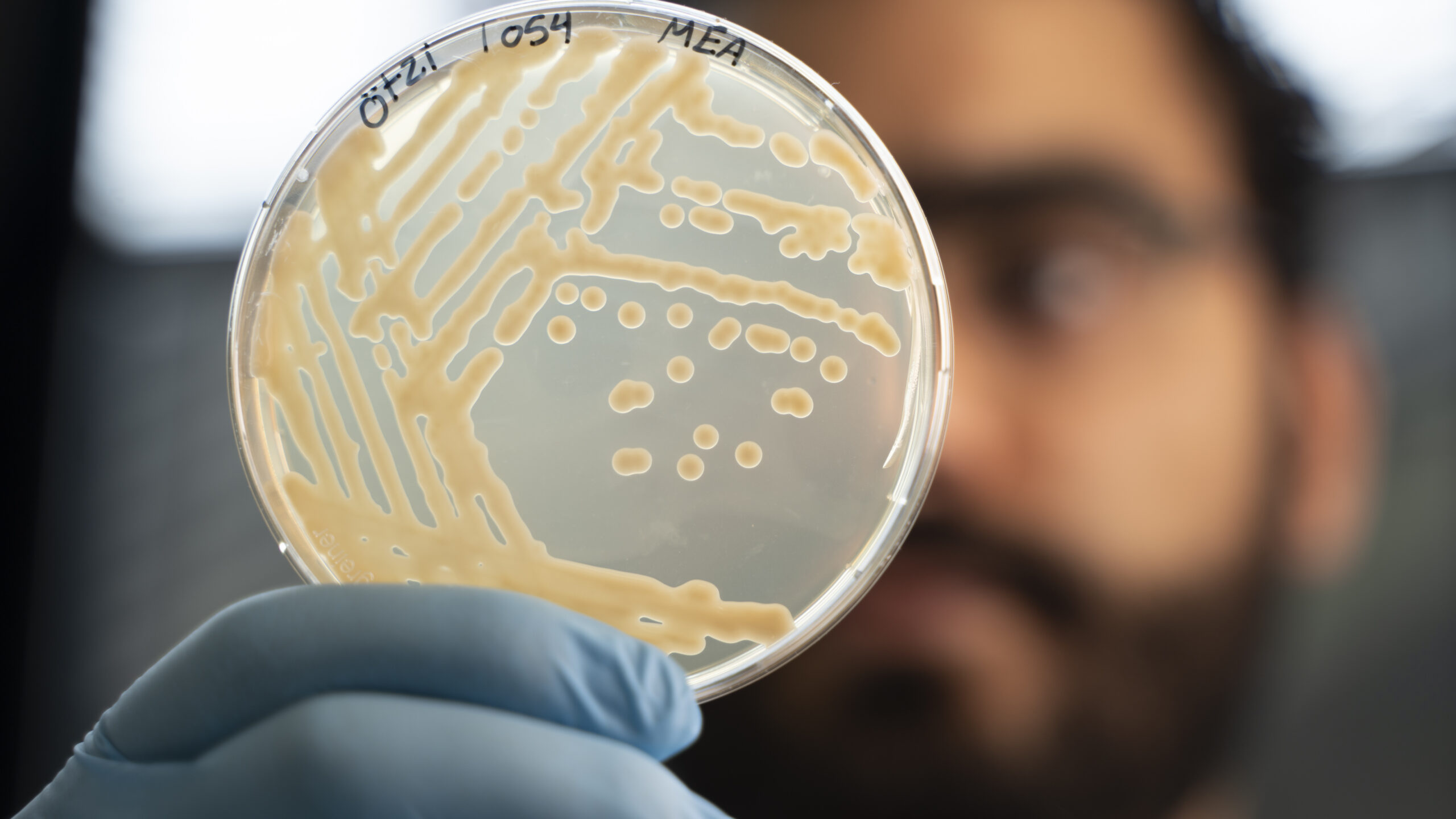
Living Yeasts Found on 5,000-Year-Old Mummy Ötzi
For over 5,000 years, Ötzi the Iceman remained a frozen capsule of history, trapped in the unforgiving ice of the Ötztal Alps. When he was discovered in 1991, he didn’t just bring his tools and clothing to the modern world; he brought a microscopic ecosystem that is currently challenging everything we thought we knew about death and decay.
The Microbes That Refuse to Die
Scientists have long assumed that the harsh conditions—-6º Celsius and 99 percent humidity—used to preserve Ötzi’s body would be a sterile tomb. However, recent research from the Institute for Mummy Studies at Eurac has revealed a startling reality: Ötzi is still playing host to a thriving, albeit slow-moving, population of cold-tolerant yeasts.
Species such as Phenolifera and Glaciozyma have been identified living on the mummy’s skin and within his digestive tract. These aren’t just remnants of the past; they are living, reproducing organisms that have accompanied the Iceman through the millennia. This discovery suggests that ancient biological material may be far more active than previously imagined.
Did you know? While most bacteria decompose organic matter rapidly, these specialized yeasts thrive in “psychrophilic” (cold-loving) environments, essentially turning the mummy into a permanent, living laboratory for extremophile research.
Why Ancient Microbes Matter for Our Future
The study of these ancient yeasts isn’t just for history buffs. As global temperatures rise and glaciers retreat, we are seeing the “thawing” of ancient environments worldwide. Understanding how these microbes survive for thousands of years provides critical data for several emerging fields:
- Climate Change Impact: As permafrost melts, we need to know what kind of biological “time capsules” are being released into modern ecosystems.
- Biotechnology: Extremophiles—organisms that live in extreme conditions—are highly prized in the pharmaceutical and chemical industries for their unique enzymes.
- Astrobiology: If life can persist in the frozen silence of an Alpine glacier for 5,000 years, it significantly boosts the probability of finding life in the icy moons of Jupiter or Saturn.
The Evolution of Preservation Technology
The fact that Ötzi’s own “hitchhiking” microbes are still present forces us to rethink how we curate human remains. If these yeasts are slowly growing, they are technically consuming the very artifact we are trying to protect. Future preservation efforts will likely shift from simple climate control to active, sterile monitoring, utilizing advanced DNA sequencing to track the “microbiome of the dead” in real-time.
Pro Tip: When visiting museums housing ancient specimens, pay close attention to the environmental control displays. The move toward “active preservation” is the new gold standard for institutions worldwide.
Frequently Asked Questions
- Are the yeasts found on Ötzi dangerous to humans?
- Current research indicates these cold-tolerant yeasts are adapted for extreme, freezing environments and do not pose a threat to human health in modern, room-temperature conditions.
- How do scientists tell the difference between “old” and “new” DNA?
- Researchers use shotgun metagenomics to identify damage patterns. DNA that has been degraded over thousands of years shows specific chemical fractures, whereas newer, actively produced DNA remains intact.
- Will Ötzi eventually disappear because of these microbes?
- At their current “glacial pace” of reproduction, the impact is minimal. However, continuous monitoring ensures that if the population spikes, curators can adjust the chamber’s environment to inhibit growth.
What do you think about the living legacy left behind by the ancients? Is it a scientific breakthrough or a preservation nightmare? Join the conversation in the comments section below, or subscribe to our weekly science newsletter for more deep dives into the secrets of the past.