
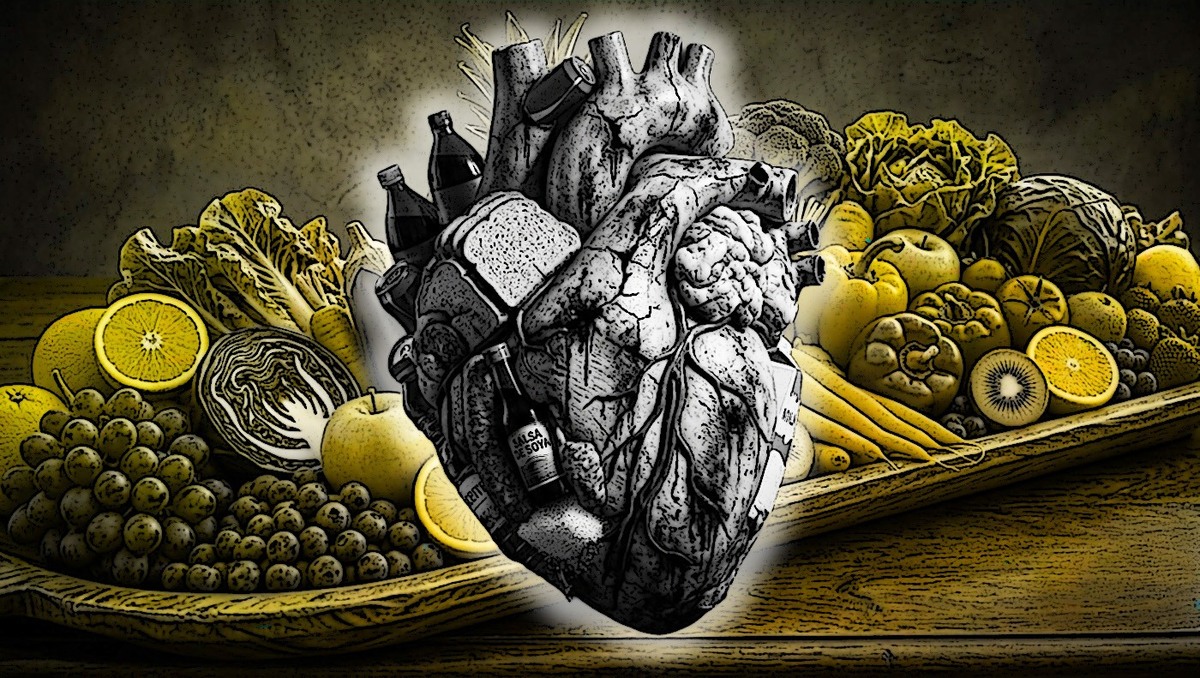
Los 4 errores dietéticos que más dañan al corazón, según Nature- Grupo Milenio
Poor diet caused the loss of 97 million healthy life years and 4.06 million heart attack deaths globally in 2023, according to a Global Burden of Disease study published in Nature Medicine. The research identifies low intake of nuts, whole grains, and fruits, combined with excessive sodium, as the primary dietary drivers of these losses.
What dietary factors increase heart disease risk?
The Nature Medicine study analyzed 13 dietary factors across 204 countries over 33 years from 1990 to 2023. Researchers found that the majority of deaths resulted from four specific dietary failures.

Low consumption of nuts and seeds contributes to increased inflammation and higher LDL, or “bad,” cholesterol levels. To mitigate heart disease risk, the Heart Foundation recommends eating three to four small handfuls of nuts and seeds per week.
Insufficient intake of whole grains, such as oats, also drives cardiovascular risk. A metaanalysis of data from the United Kingdom, United States, and Scandinavian countries found that consuming 70 grams of whole grains daily may reduce cardiovascular mortality by up to 23%.
Fruit and vegetable deficits further impact heart health. Data indicates that every 200 grams of fruit and vegetables consumed daily could decrease the risk of coronary heart disease by up to 8%.
Excess sodium intake remains a primary driver of kidney disease, strokes, and high blood pressure. While sodium occurs naturally in seafood and milk, the study highlights ultra-processed snacks, breads, certain meats, and condiments like fish sauce and soy sauce as major sources. Monosodium glutamate is also noted as a significant concern for increasing sodium intake beyond suggested levels.
How has diet-related mortality changed since 1990?
Global mortality rates attributable to diet fell by 43.9% between 1990 and 2023. North America, Western Europe, and Australia reported the most optimistic figures during this period.
However, the burden remains high in low- and middle-income countries. In Mexico, the Instituto Nacional de Estadística y Geografía (INEGI) reported 95,935 deaths from heart disease between January and June 2025.
What could happen next to global heart health?
Researchers warn that the declining price of processed meats could increase consumption and offset previous gains in heart health. This trend may lead to higher rates of cardiovascular issues if dietary habits shift further toward ultra-processed foods.

A possible next step to reduce global deaths involves decreasing portions of processed meats while increasing the intake of healthy foods. Such a shift is likely to be the most effective strategy for lowering the current number of heart-related deaths.
Frequently Asked Questions
Which regions saw the best improvement in diet-related mortality?
Australia, North America, and Western Europe reported the most optimistic numbers regarding the decrease in diet-related mortality.
What is the recommended weekly intake of nuts for heart health?
The Heart Foundation recommends consuming three to four small handfuls of nuts and seeds per week to reduce the risk of heart disease.
How does sodium in ultra-processed foods affect the body?
High sodium consumption from ultra-processed foods, condiments, and additives like monosodium glutamate contributes to high blood pressure, renal diseases, and strokes.
How do these dietary findings influence your current approach to nutrition?