
Lower Saxony Nutrient Report: Fertilization Limits Met, Nitrate Levels Stagnate
Lower Saxony has met nitrogen fertilization limits across all districts for the first time in years, according to a new Nutrient Report presented by Agriculture Minister Miriam Staudte on June 15, 2026. Despite this decrease in fertilizer use, nitrate levels in groundwater, rivers, and lakes remain largely unchanged or have increased in some areas.
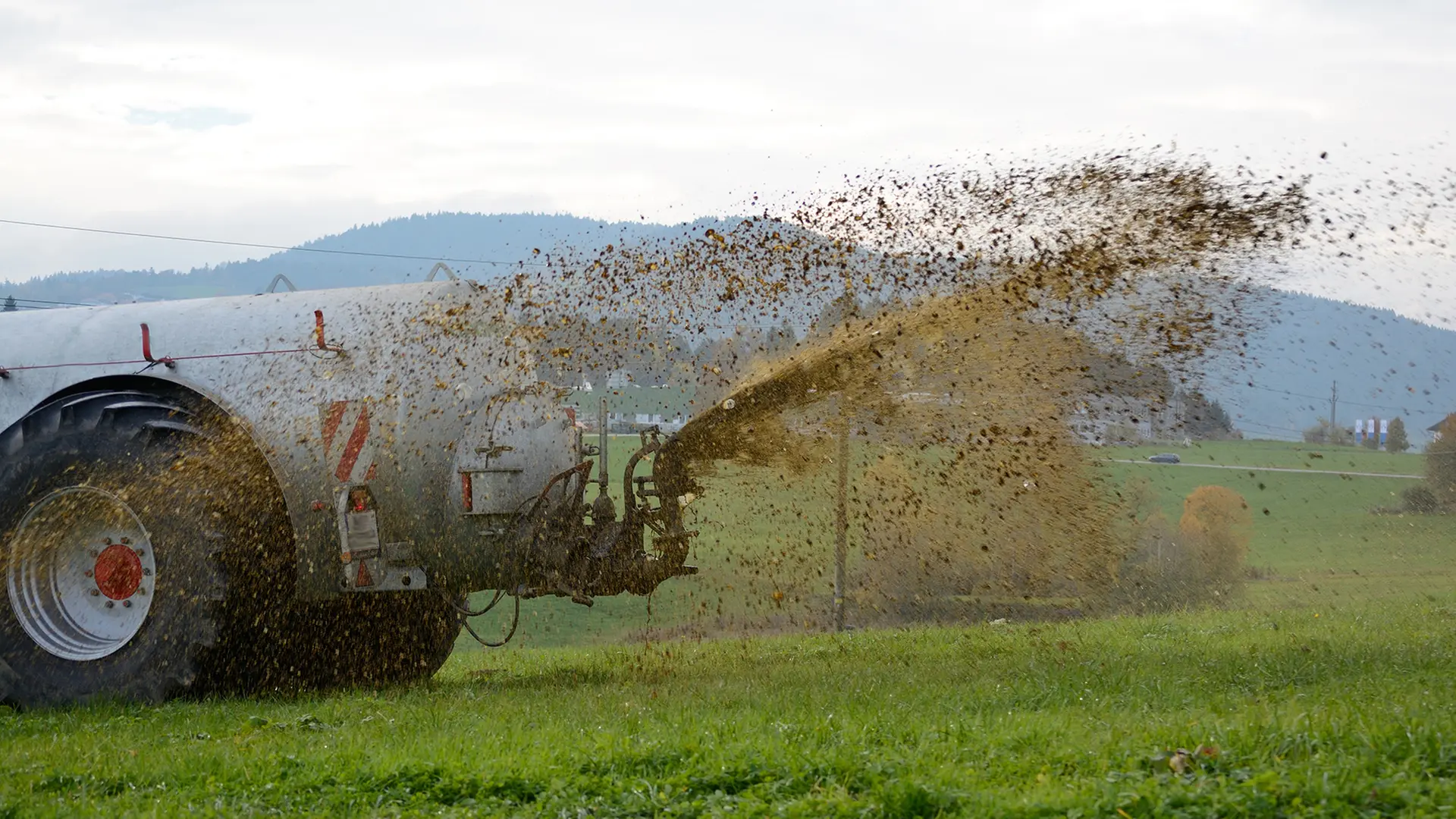
Minister Staudte, representing the Green Party, presented the analysis in Hannover. The report credits farmers with a more targeted and reduced application of fertilizers. This shift is partly attributed to a decline in the population of cows, pigs, and chickens in Lower Saxony, which has resulted in lower production of manure and slurry.
Why are nitrate levels not dropping despite lower fertilization?
Nitrate levels at many measuring stations show little to no change, and some groundwater levels have actually risen. The state has failed to reach EU targets for its rivers and lakes, according to the report.
The reason for the lag between reduced fertilization and water quality improvement remains unknown. An expert group has been commissioned to investigate why water values are sinking more slowly than fertilization rates.
How does nitrogen pollution affect human health?
Minister Staudte warned that the current situation remains dangerous despite the adherence to fertilization limits. She stated that when too many nutrients are provided and plants cannot absorb them, those nutrients enter the water supply.
According to Staudte, this process is “not good” for human health, specifically citing the impact on drinking water.
What is the conflict between farmers and environmentalists?
Landvolk Niedersachsen and the Nature and Biodiversity Conservation Union (NABU) disagree on how to interpret the data. Holger Hennies, president of Landvolk Niedersachsen, argues that existing measures are not achieving their goals and warns against further restrictions on farmers.
Conversely, NABU argues that the state should maintain its current course. The organization claims water bodies often react with a time delay and suggests the situation would be more critical without current regulations.
What legal rulings are influencing water policy?
The OVG Lüneburg recently ruled in favor of farmers who sued against the method of designating “red zones,” which are areas with particularly high nitrate loads. This legal decision comes as the Heinrich-Böll-Stiftung and the environmental organization BUND present a “water atlas” and call for faster action.

While Minister Staudte believes the state is “on the right path,” the Nutrient Report indicates that nutrient surpluses still exist in certain regions.
Frequently Asked Questions
Are nitrogen fertilization limits currently being met in Lower Saxony?
Yes, according to the new Nutrient Report, nitrogen fertilization upper limits are being met across all districts for the first time in years.
Why is the government concerned about nitrate levels in the water?
Minister Miriam Staudte stated that excess nutrients not absorbed by plants end up in the water, which negatively impacts human health and drinking water.
What was the result of the legal challenge regarding “red zones”?
The OVG Lüneburg ruled in favor of the farmers who challenged the method used to designate these nitrate-polluted areas.
How should the balance between agricultural productivity and drinking water safety be managed?