
Lung screening trial detects more than 30 cancers in its first year
The recent Beaumont RCSI Cancer Conference, held on May 21, served as a vital forum for clinicians and researchers to evaluate the rapidly shifting landscape of oncology. With a theme centered on “From Prevention to Personalised Care,” the event highlighted how emerging technologies—ranging from mobile diagnostic units to robotic surgical systems—are fundamentally altering the patient experience and treatment outcomes.
Transforming Early Detection and Surgical Precision
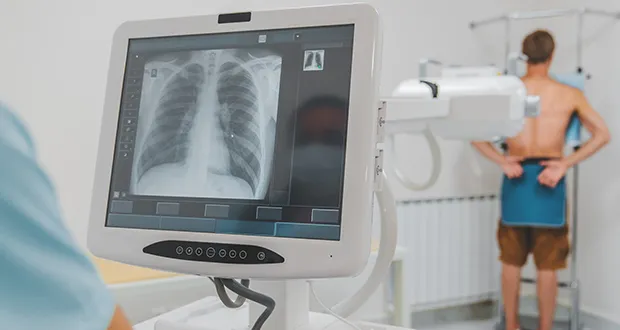
A primary focus of the conference was the progress of the Beaumont RCSI Lung Health Check, a pioneering clinical trial in Ireland. By utilizing mobile scanning units to perform low-dose CT scans and breathing tests, the project has screened over 14,000 participants in its inaugural year. Currently, the trial reports a 1.5 per cent lung cancer detection rate, a figure that aligns with international best practices.
Beyond screening, the conference showcased significant technical advancements in surgical and diagnostic fields. Prof Antonio Toesca provided insights into robotic breast surgery, while Prof Margaret Flanagan highlighted the evolution of digital neuropathology. The clinical application of Endoscopic Submucosal Dissection (ESD) was identified as a key development, offering a minimally invasive, organ-sparing alternative to major surgery for early gastrointestinal cancers.
Looking Ahead: The Future of Cancer Care
The success of the current pilot programmes and the adoption of robotic and digital pathology tools suggest that the future of oncology may lean heavily on interdisciplinary collaboration. As these technologies mature, it is likely that cancer care will become increasingly decentralized through mobile initiatives, while simultaneously becoming more precise through robotic intervention.
A possible next step for these initiatives involves scaling successful models like the lung health screening project to reach broader populations. If the current trajectory of these clinical trials continues, researchers may find that “Personalised Care” becomes the standard approach for a wider variety of malignancies, potentially improving early intervention outcomes globally.
Frequently Asked Questions
What is the primary goal of the Beaumont RCSI Lung Health Check?
The project is a first-of-its-kind pilot clinical trial in Ireland that uses mobile scanning units to perform breathing tests and low-dose CT scans to detect lung cancer cases earlier and save lives.
What is Endoscopic Submucosal Dissection?
It is a minimally invasive, organ-sparing alternative to major surgery used for selected early gastrointestinal cancers and complex precancerous lesions, with 90 per cent of patients to date achieving a curative resection.
Who is the target demographic for the lung health screening pilot?
The trial focuses on high-risk individuals, specifically those who are current or former smokers.
How do you believe the integration of robotic surgery and mobile screening will change the way patients perceive cancer treatment in the coming decade?