
Luxury Tax on Cars Planes and Yachts Generates 900M Before Being Reduced
Canada’s luxury tax on high-end vehicles, airplanes, and yachts generated $913.4 million between 2022 and 2025 before being scaled back, according to federal revenue data. The tax, which imposed a 10% levy on items exceeding $100,000 for cars and $250,000 for boats, exceeded initial projections by more than double, with annual collections reaching $390 million during the 2023–2025 fiscal years, according to La Presse Canadienne.
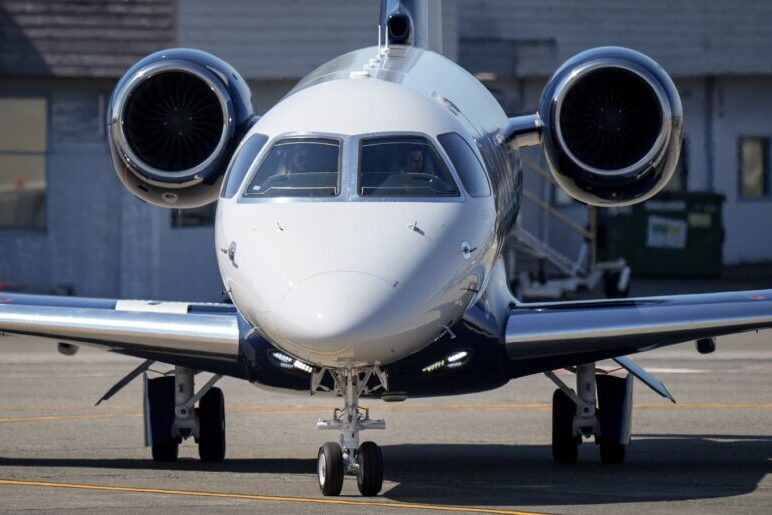
The measure, introduced in September 2022, aimed to “ask those who have prospered to do a bit more to help those who have not,” as stated in the 2021 federal budget. While the tax on vehicles remains in place, the government eliminated levies on aircraft and yachts in its 2024 budget, citing the need to “provide relief to the aviation and marine industries.”
Why It Matters
The tax’s revenue far outpaced expectations, with $390 million annual collections between 2023 and 2025, according to federal figures. This success highlighted the willingness of high-net-worth individuals to purchase luxury goods despite tax burdens. However, critics argue the policy disproportionately affected niche sectors, with Bombardier reporting lost sales of business jets due to regulatory confusion.

The decision to remove the tax on aircraft and yachts sparked debate over whether the government prioritized industry interests over fiscal opportunities. While supporters called the measure a “remarkable success,” opponents questioned its effectiveness in redistributing wealth, noting no clear mechanism to track how funds were allocated.
What May Happen Next
Analysts suggest the government may face pressure to reassess the tax’s structure if revenue declines. David Macdonald, an economist at the Centre for Research on Income and Wealth, noted the aircraft and yacht sectors still generated $31 million annually on average, exceeding administrative costs. However, the policy’s partial removal could signal a broader shift toward easing taxes on high-income groups, a trend that may influence future fiscal strategies.
Industry stakeholders, including Bombardier, have called for clearer tax frameworks to avoid deterring investments. Meanwhile, critics argue the policy’s limited scope fails to address systemic wealth disparities, leaving questions about its long-term impact on economic equity.
Frequently Asked Questions
What was the total revenue from the luxury tax? The tax generated $913.4 million between 2022 and 2025, with annual collections reaching $390 million during the 2023–2025 fiscal years.
Which sectors were affected by the tax? The tax targeted vehicles over $100,000, aircraft, and yachts exceeding $250,000. The government removed levies on aircraft and yachts in its 2024 budget.
Why was the tax revised? Concerns about its impact on industries like aviation and marine manufacturing led to the partial removal of the tax, as stated in the 2024 federal budget.
How might this policy influence future tax reforms?