

M-Audio M Track Duo HD Producer Pack: The Best $200 Podcast Starter Kit
The Democratization of High-Fidelity Audio: Why Your Home Studio is the New Standard
For years, the barrier to entry for professional-grade audio production was a wall of expensive gear, complex signal chains, and an engineering degree. Today, that wall has been dismantled. Kits like the M-Audio M-Track Duo HD producer pack represent a shifting paradigm in the creator economy: the move toward all-in-one, “plug-and-play” solutions that don’t compromise on quality.
As remote work becomes a permanent fixture and the podcasting market continues to grow—projected to reach a valuation of over $4 billion by 2026—the demand for accessible, high-quality audio hardware is at an all-time high. We are entering an era where “good enough” is no longer acceptable, even for casual Zoom participants.
The Rise of “Prosumer” Hardware
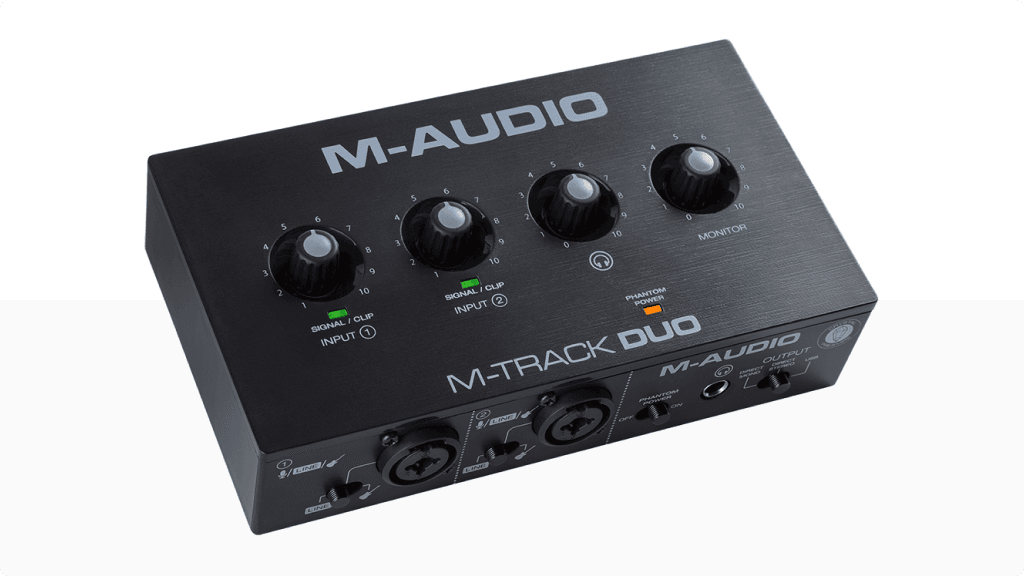
The M-Audio M-Track Duo is a perfect case study for a broader industry trend: the consolidation of features. By packaging an audio interface, a condenser microphone, and headphones into a single $200 ecosystem, manufacturers are solving the biggest hurdle for new creators: compatibility anxiety.
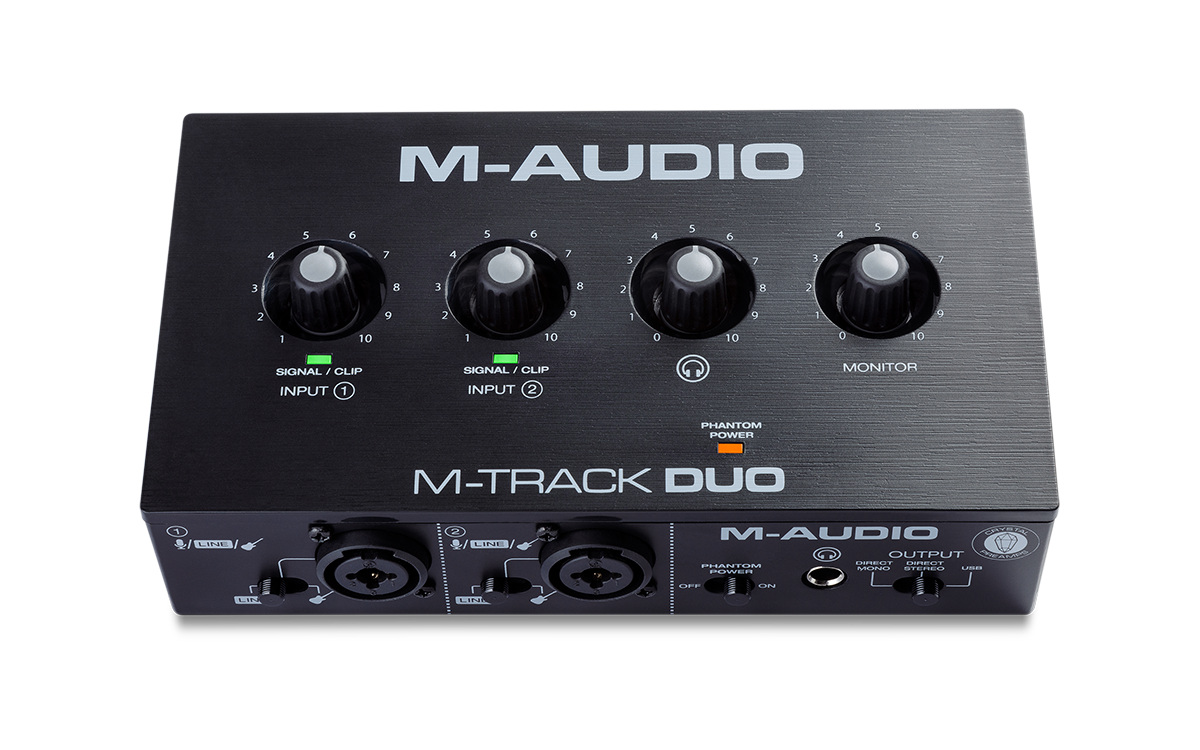
Industry data shows that creators are increasingly abandoning complex, multi-brand setups in favour of integrated ecosystems. This trend mirrors the “Apple effect,” where the value lies in the seamless interaction between hardware components. When you buy a producer pack, you aren’t just buying electronics; you’re buying the assurance that your gain staging, impedance, and connectivity will work straight out of the box.
Future Trends: AI-Driven Audio Engineering
What’s next for the home studio? As we look toward the future, the hardware itself is becoming smarter. We are already seeing the integration of AI-driven noise suppression and auto-leveling directly into software like OBS, and Zoom. Soon, this will migrate into the hardware interfaces themselves.
Imagine an audio interface that uses machine learning to analyze your room’s acoustics in real-time, automatically adjusting EQ curves to compensate for echo or harsh frequencies. While the M-Track Duo provides the essential, high-quality foundation, the next generation of gear will likely act as a “digital engineer” sitting right on your desk.
Did you know? A large-diaphragm condenser microphone is highly sensitive to off-axis sound. This means the side of the mic facing away from you is actually picking up more of your room’s reflection than your voice. Always ensure you are speaking directly into the “active” side of the capsule!
Choosing the Right Setup for Your Workflow
Whether you are launching a podcast, streaming on Twitch, or simply trying to sound like a professional during high-stakes client calls, the hardware is only half the battle. Here is what you should consider when building your audio chain:
- The Room Matters: No mic, regardless of price, can fix a room with terrible acoustics. Soft surfaces—rugs, curtains, and bookshelves—are your best friends.
- The “Confidence” Factor: Gear provides the clarity, but your delivery provides the engagement. Don’t let the technical setup overshadow your content.
- Future-Proofing: Look for interfaces with “Combo” inputs. This ensures that whether you’re using an XLR condenser mic today or an instrument cable for a guitar tomorrow, your interface remains relevant.
Frequently Asked Questions
Q: Is a condenser mic better than a dynamic mic for home use?
A: It depends on your environment. Condenser mics offer superior clarity and detail, making them perfect for quiet, treated rooms. Dynamic mics are generally more forgiving in untreated, noisy environments.
Q: Do I need a separate preamp for the M-Track Duo?
A: No. The built-in preamps provide 55 dB of gain, which is plenty for most standard podcasting and vocal applications.
Q: Why does my audio sound “buzzy” at high gain settings?
A: All preamps have a noise floor. When you push a gain knob to its absolute limit, you amplify that electronic hiss. Try to position the mic closer to your mouth so you can keep the gain knob below the 3 o’clock position.
What’s your biggest challenge when it comes to home audio? Are you struggling with background noise, or is it the technical complexity of setting up your gear? Let us know in the comments below—we’d love to help you troubleshoot your setup.
Looking for more gear guides? Click here to explore our full archive of audio hardware reviews and sign up for our weekly newsletter for the latest tips on leveling up your content creation.