

Macron’s Versailles Diplomacy: The Gap Between Grandeur and Strategic Power
U.S. President Donald Trump and French President Emmanuel Macron signed an Iran memorandum at the Palace of Versailles, marking a high-profile effort by the French leader to influence U.S. foreign policy. The summit, held in eastern France, resulted in a unified pledge of support for Ukraine and new sanctions against Russia, which French diplomats characterized as a “clean sweep.”
Did You Know? The Palace of Versailles has served as a center for French diplomacy for years, including a 2017 summit where President Macron hosted Russian President Vladimir Putin to signal France’s role in global affairs.
Strategic Influence and Diplomatic Risk
President Macron utilized the historic setting of Versailles as what he termed “an instrument for influence” to encourage President Trump to remain for the duration of the three-day Group of Seven summit. By hosting the U.S. leader at the residence of Louis XIV, the French administration aimed to persuade Trump to adopt a more conciliatory stance toward allies regarding trade and the war in Ukraine. This follows a previous G7 summit in Canada where President Trump departed early.
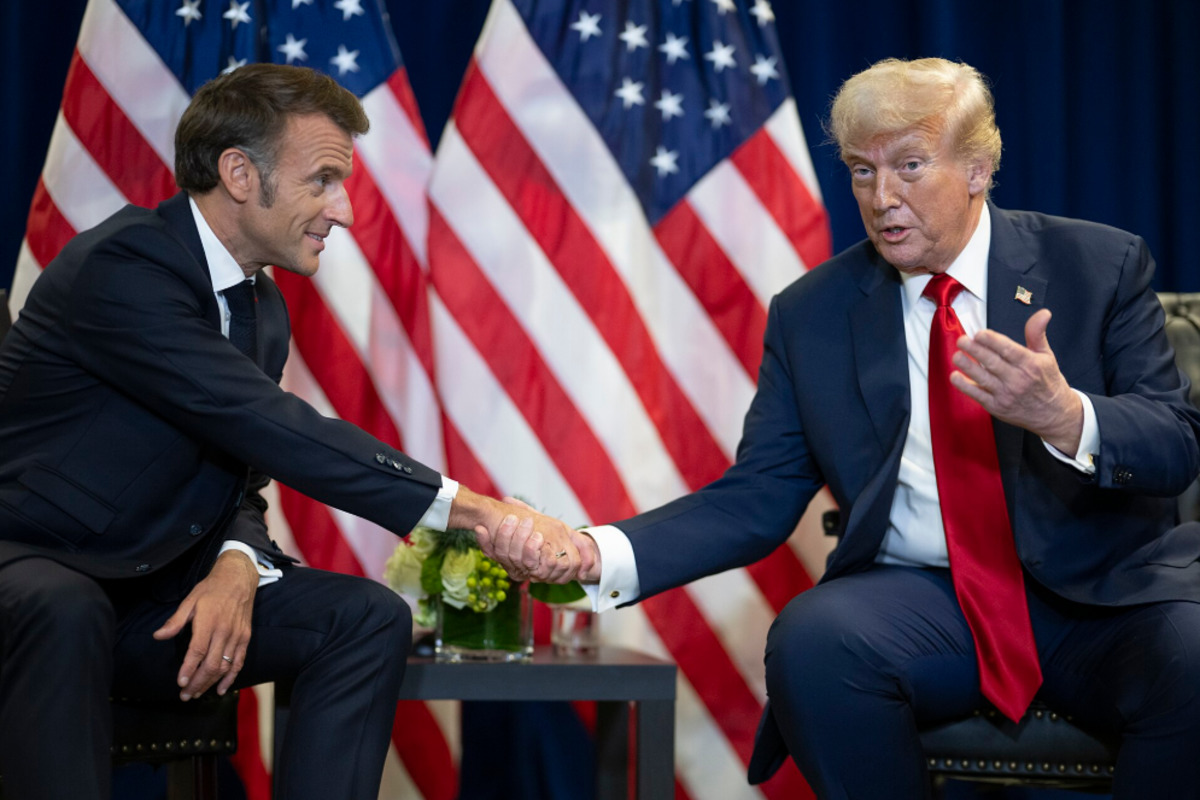
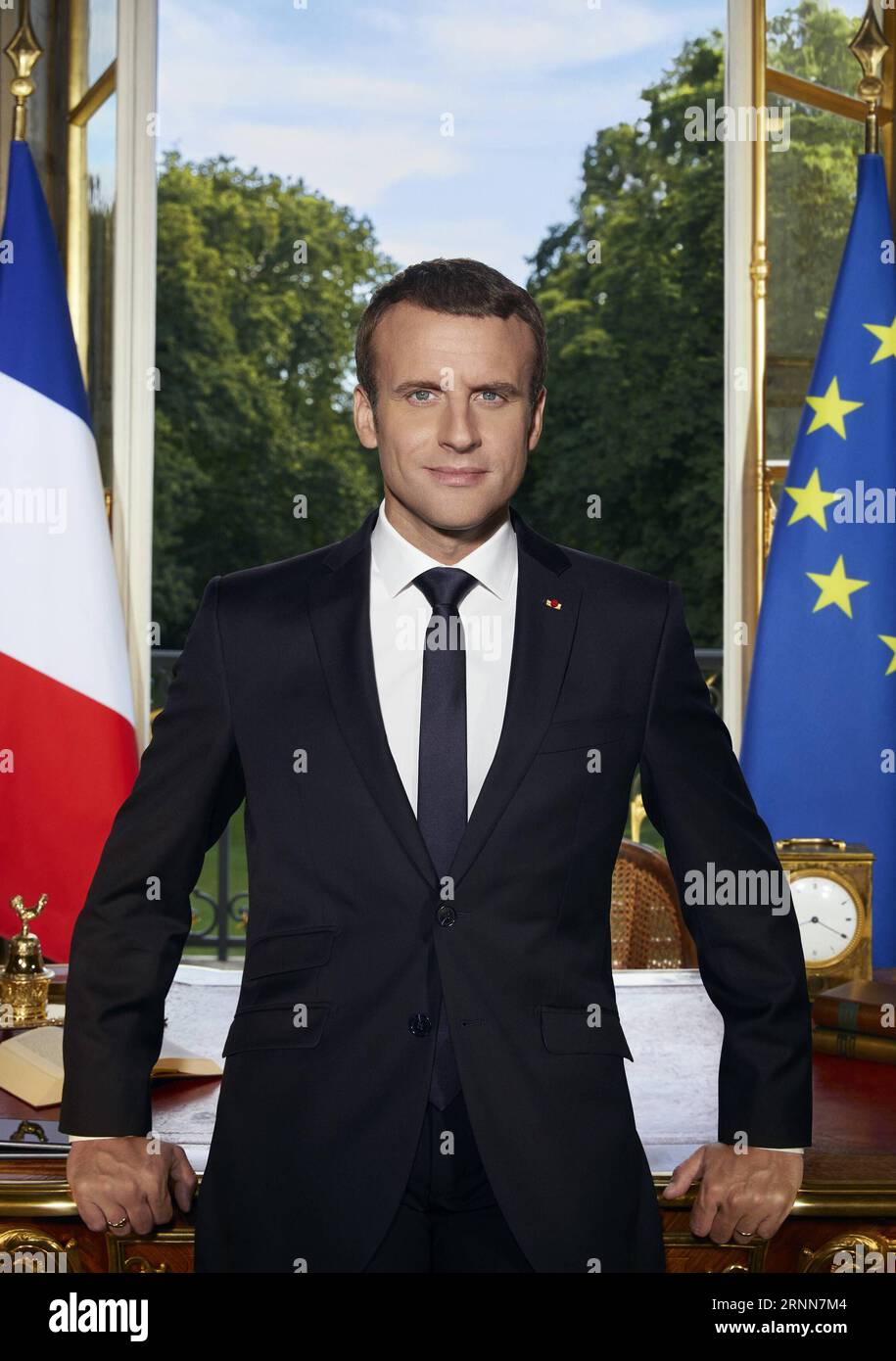
However, the effectiveness of this diplomatic strategy remains under scrutiny. According to Rym Momtaz, a geopolitical consultant at Carnegie Europe, President Macron often demonstrates “thought leadership” but lacks the “action leadership” required to project hard power. Momtaz noted that France’s limited industrial weight and strained finances constrain its ability to shape its strategic environment, despite the French president’s focus on symbolism and personal connections.
Future Implications for Geopolitical Stability
The durability of the agreements reached at the lakeside summit remains an open question, given President Trump’s history of shifting positions on geopolitical matters. Analysts expect the coming weeks to reveal whether the Versailles dinner and the G7 proceedings will yield long-term policy alignment or if they will mirror the 2017 summit with Russia, which produced no lasting breakthroughs.
The gap between rhetoric and action is particularly visible regarding Ukraine. In February 2024, President Macron surprised NATO allies by suggesting the potential deployment of Western troops to the region. As the administration moves forward, the success of France’s diplomatic efforts may depend on its ability to bridge this divide between stated intentions and concrete strategic outcomes.
Frequently Asked Questions
What was the primary goal of the Versailles dinner?
The dinner was designed to persuade President Trump to stay for the full three-day G7 summit and to encourage a more conciliatory position on trade and Ukraine.
How have analysts characterized President Macron’s diplomatic approach?
Rym Momtaz of Carnegie Europe suggests Macron excels at “thought leadership” but often lacks the “action leadership” to project hard power due to France’s limited industrial capacity and finances.
What was the result of the 2017 summit with Vladimir Putin?
The 2017 meeting at Versailles resulted in no lasting breakthroughs or influence over the Russian leader, who later invaded Ukraine five years after the summit.
How much weight do you believe symbolic diplomatic gestures carry in modern international business and political relations?