
Malawi Appeals for International Aid to Repatriate 10,000 Citizens From South Africa
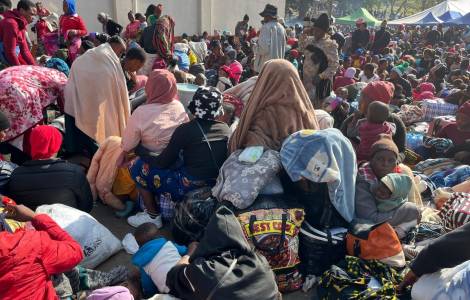
The Malawian government is seeking international assistance to repatriate approximately 10,000 citizens fleeing xenophobic violence in South Africa, according to statements from the Office of the President and the Ministry of Foreign Affairs. Authorities have already established a reception center at Kamuzu Stadium in Blantyre to manage the humanitarian crisis.
Why is Malawi appealing for international aid?
The scale of the crisis has exceeded Malawi’s current internal capacity. According to the Presidency of the Republic, the need to move 10,000 distressed citizens has created “unprecedented financial, logistical, and humanitarian needs.” The government is calling for international solidarity to ensure citizens return with dignity and safety.

This appeal follows a spike in xenophobic threats and violence across South Africa in recent weeks. The government in Lilongwe views the situation as a humanitarian emergency that requires more than just bilateral coordination.
How is the repatriation operation being executed?
Malawian authorities have deployed a government task force to South Africa to coordinate the logistics of the return. On June 15, 2026, the Ministry of Foreign Affairs confirmed that eight buses carrying 645 citizens departed South Africa. These individuals had been sheltering at the Sherwood Town Hall in Durban, KwaZulu-Natal province.
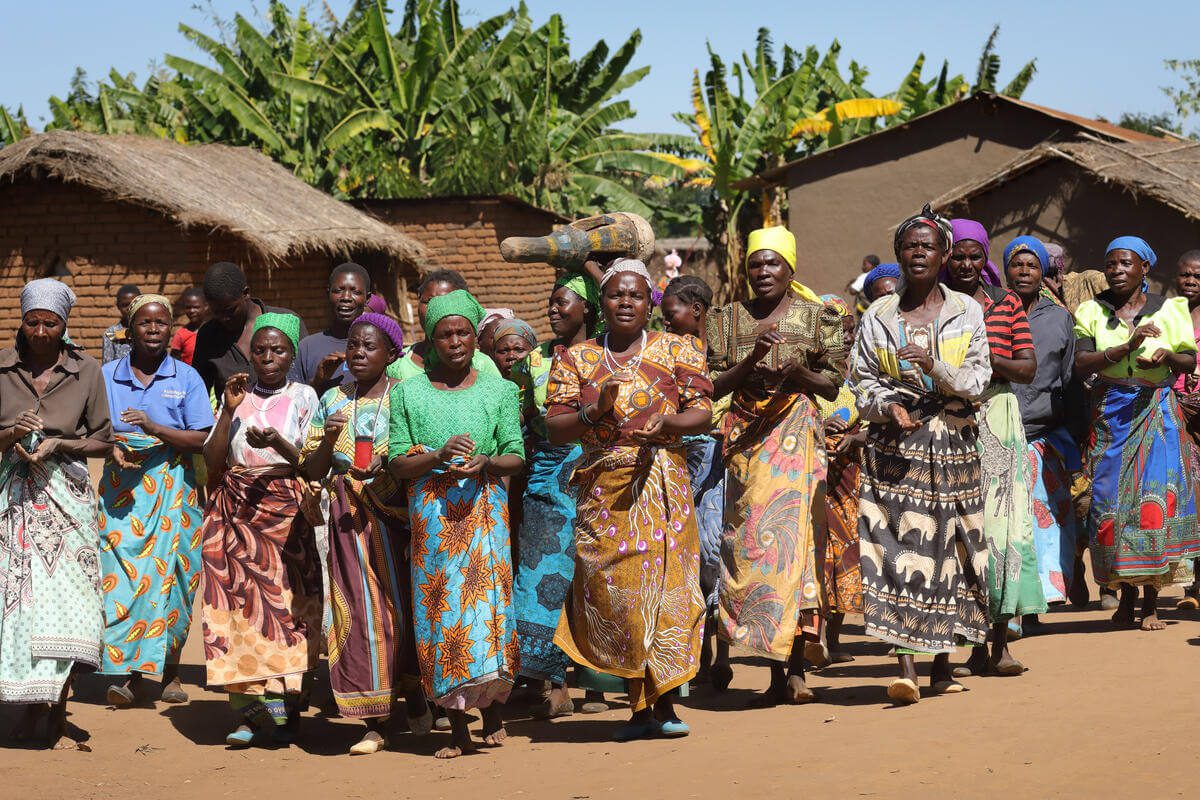
The process follows a specific pipeline: transit from South African shelters, entry via the Mwanza border, and arrival at Kamuzu Stadium in Blantyre. At the stadium, the government is conducting “necessary checks and procedures” before transferring individuals back to their original home areas.
What are the long-term trends for migration in Southern Africa?
The current crisis highlights a recurring pattern of state-led “Voluntary Repatriation Operations” in response to regional instability. When xenophobic violence peaks, the burden shifts from individual migrants to national governments, who must then seek external funding to manage the influx of returnees.
We’re seeing a trend where reception centers, like the one at Kamuzu Stadium, are becoming temporary hubs for humanitarian aid. This suggests that future migration crises in the region will likely require permanent regional frameworks rather than ad-hoc responses. According to the reports from the Department of Disaster Management Affairs, the vulnerability of these 10,000 citizens underscores the precarious legal and social status of migrants in the region.
Comparing the scale of the response
The current operation differs from previous smaller-scale returns due to the coordinated involvement of multiple government branches. While the Ministry of Foreign Affairs handles the diplomatic transit, the Department of Disaster Management Affairs is managing the internal logistics within Malawi.

The movement of 645 people in a single day via eight buses represents only a small fraction of the 10,000 estimated to be in “vulnerable situations.” This gap explains why the Presidency has shifted its strategy from simple transport to a broader appeal for international humanitarian aid.
For more on regional stability, see the UNHCR guidelines on protected movement or explore our internal archive on Southern African migration patterns.
Frequently Asked Questions
How many Malawians are currently stranded in South Africa?
The Malawian Presidency estimates approximately 10,000 citizens are in vulnerable situations as of June 13, 2026.
Where are the repatriated citizens being processed?
They are entering through the Mwanza border and are being managed at a reception facility at Kamuzu Stadium in Blantyre.
What caused the sudden need for repatriation?
According to Malawian authorities, the move is a response to violence and xenophobic threats occurring within South Africa.
What do you think about the role of international aid in regional migration crises? Share your thoughts in the comments below or subscribe to our newsletter for more updates on African geopolitical trends.