
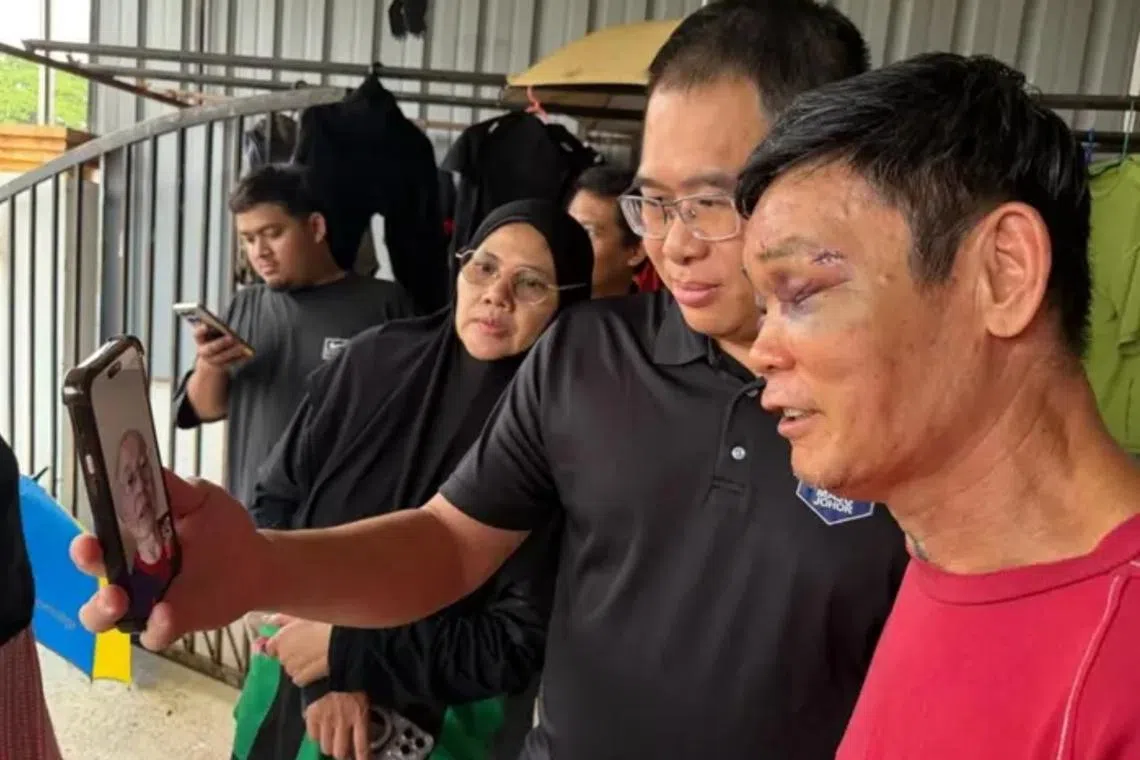
Malaysian e-hailing driver assaulted after asking passengers to buckle up
A 57-year-old e-hailing driver, Goh Kong Meng, sustained facial injuries requiring three stitches following an alleged assault by three passengers near Johor Bahru on June 9. According to the victim, the altercation began when the passengers refused to fasten their seat belts, leading to a physical struggle that caused his vehicle to crash into a ditch. Police are currently tracking the suspects, while industry leaders are calling for enhanced safety protocols for ride-hailing platforms.
Why Is Driver Safety a Growing Concern in E-Hailing?
The rise in reported violence against ride-share drivers highlights a gap in current safety infrastructure. According to Goh, the incident escalated after he requested his passengers to buckle up, a standard safety requirement. While e-hailing companies often track vehicle locations via GPS, physical altercations inside the cabin remain difficult to prevent in real-time. Data from the industry suggests that while most trips are uneventful, drivers operating in industrial or high-traffic areas face unique risks, particularly when dealing with intoxicated passengers.
Most modern e-hailing platforms now offer an “in-app” emergency button that alerts local authorities and the company’s security team simultaneously. However, as seen in this incident, physical speed and the sudden nature of an attack can prevent a driver from accessing their phone.
How Can Ride-Hailing Platforms Better Protect Drivers?
Caretaker Johor health and environment committee chairman Ling Tian Soon has publicly urged e-hailing companies to review their standard operating procedures (SOPs). He suggests that platforms must strengthen protection measures for drivers, who often find themselves isolated with strangers. Potential solutions under discussion include:
- Mandatory dashcam installations that record both interior and exterior footage.
- AI-driven behavior monitoring that detects sudden, erratic vehicle movements.
- Improved passenger verification processes to reduce anonymity.
According to the victim, he had worked as an e-hailing driver for three years without encountering such violence, underscoring the unpredictable nature of the work.
What Should Drivers Do During a Confrontation?
Safety experts consistently advise that de-escalation is the primary goal for any driver. If a passenger becomes aggressive, the recommended protocol is to stop the vehicle in a well-lit, public area—if safe to do so—and request that the passengers exit. In this case, the driver attempted to cancel the ride and remove the passengers before the physical assault began. If a situation turns violent, as in the June 9 incident, the immediate priority is to notify law enforcement as soon as the suspects have fled the scene.
Always maintain a clean view of your rearview mirror and ensure your dashcam is clearly visible to passengers. The presence of a camera often serves as a deterrent against aggressive behavior.
Frequently Asked Questions
What legal recourse do e-hailing drivers have after an assault?
Drivers should immediately file a police report, as the Johor police are currently doing for the victim in this case. Medical records from hospital visits, such as the stitches received by the victim, serve as critical evidence for criminal investigations.

Are passengers held accountable for in-car violence?
Yes. Platforms can permanently ban the user account associated with the booking. Furthermore, law enforcement agencies pursue charges for assault and property damage, as indicated by the ongoing police search for the three suspects involved in this incident.
Can dashcam footage be used as evidence?
Dashcam footage is highly effective in legal proceedings. In this instance, the footage has already gone viral on social media, assisting public awareness and potentially aiding the police investigation.
Have you had a challenging experience while driving for an e-hailing platform, or do you have thoughts on how safety technology should evolve? Share your perspective in the comments section below to join the conversation on driver rights and industry standards.