

Managing Director of Social Housing and Housing Affairs, City of Graz
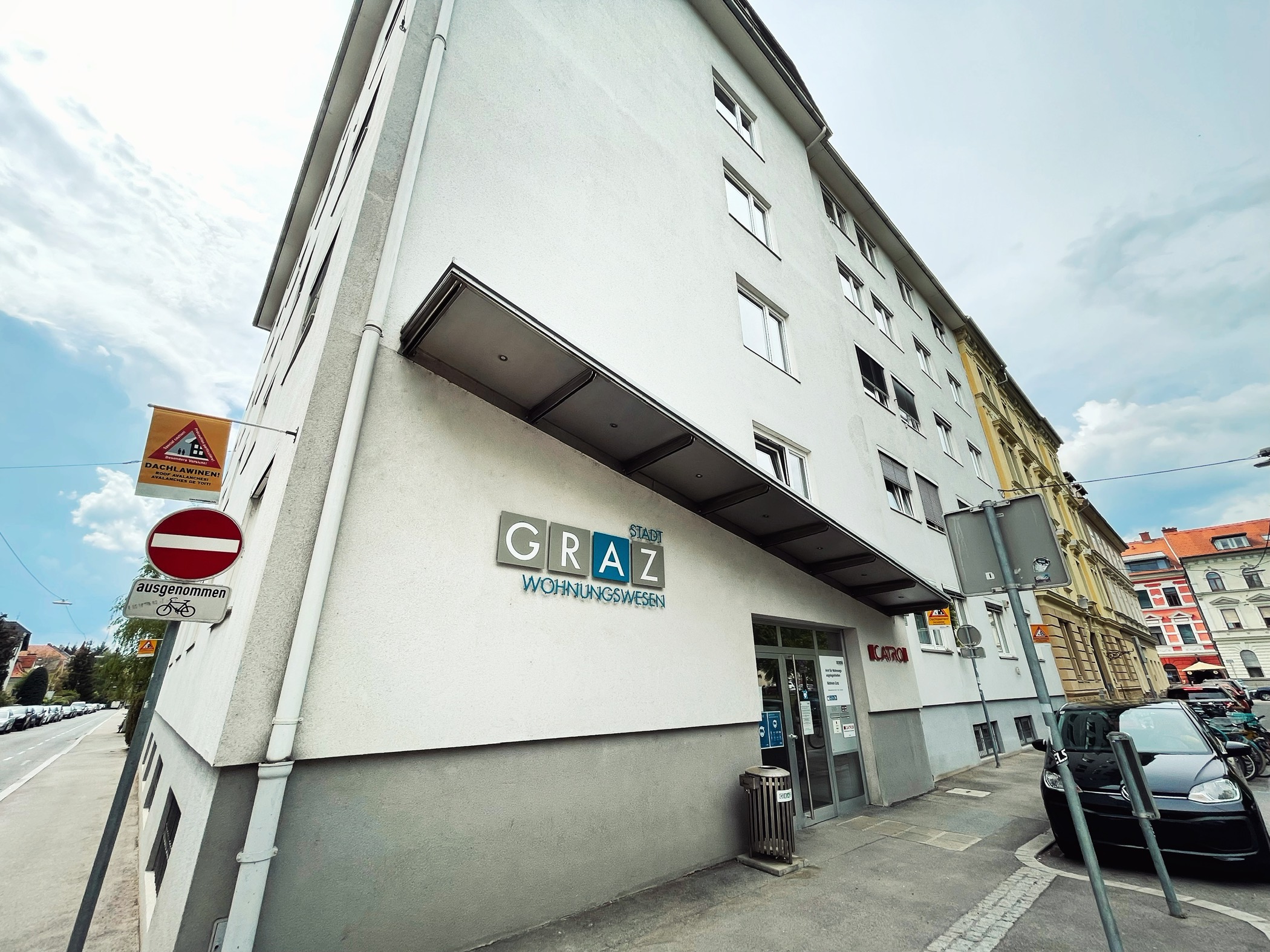
The City of Graz has announced a search for a new Managing Director for “Wohnen Graz” and a Head of the Office for Housing Affairs. This high-level leadership vacancy arises as the current director is set to retire at the end of June.
The appointment comes at a critical time, as Graz is identified as one of the fastest-growing cities in Austria. The city is currently working to develop “Haus Graz” into one of the most modern city management systems in Europe, with a heavy focus on ensuring affordable housing.
Managing a Massive Housing Portfolio
The incoming leader will be responsible for a significant real estate portfolio, which includes 4,390 city-owned apartments and approximately 125 commercial properties. When including roughly 7,120 apartments in “Übertragungsbauten,” the total number of units available for assignment reaches 11,510.
The role involves not only the administration of these units but also their ongoing maintenance and renovation. The city is actively creating new living spaces through city-owned construction projects and further “Übertragungsbauten.”
Parallel to the management of “Wohnen Graz,” the leader will head the Office for Housing Affairs. This office supports citizens with housing law procedures, provides expert reports, and offers rent supplements for municipal apartments and deposit assistance for the private market.
Strategic Requirements and Leadership
The City of Graz is seeking a professional who can balance economic steering with the social mandate of providing affordable housing. The successful candidate will lead and develop a team of approximately 70 employees.

Core responsibilities include the implementation of efficient structures, the achievement of goals agreed upon with the organs of the City of Graz, and overall financial control, including the creation of economic plans.
Candidates must hold a university degree (Diplom, Master, or Doctorate) or a Master’s from a university of applied sciences, preferably in business administration, law, or real estate management. Due to the nature of sovereign tasks under § 2a of the Grazer Gemeindevertragsbedienstetengesetz, Austrian citizenship is required.
The city requires extensive experience in the real estate industry, project management—specifically in communal or subsidized housing—and a deep understanding of regulations such as the MRG, WEG, WGG, WFG, and ABGB.
Compensation and Application Process
The position offers a minimum gross monthly salary of 7,689 euros for full-time employment, with additional standard supplementary payments based on the candidate’s professional experience. The appointment is for an initial term of five years.
The City of Graz has highlighted its commitment to gender equality and its inclusion strategy. Women may be preferentially hired in areas where they are underrepresented, and the city encourages applications from people with disabilities, offering barrier-free workplaces.
Applications must be submitted by June 21, 2026. The selection process is being coordinated by HILL International, with Mag.a Cornelia Steiner, MAS serving as the primary contact.
Potential Next Steps
Following the June 21 deadline, the city is likely to enter a selection phase to identify a successor before the current director’s departure at the end of June.
The new appointee may be tasked with further integrating the “Haus Graz” modernization goals into the daily operations of the housing office and expanding the available stock of affordable units.
Frequently Asked Questions
What is the total number of apartments managed by Wohnen Graz? Wohnen Graz can assign a total of 11,510 apartments to potential tenants, which consists of 4,390 city-owned apartments and approximately 7,120 apartments in “Übertragungsbauten.” What are the salary and term details for the position? The position offers a minimum gross monthly salary of 7,689 euros plus usual supplementary payments, with an initial appointment term of five years. Who is eligible to apply for this role? Eligible candidates must have a relevant university or Fachhochschule degree, several years of experience in real estate and management, and must hold Austrian citizenship to perform sovereign tasks. How should a modern city balance the need for economic efficiency with the social necessity of affordable housing?