
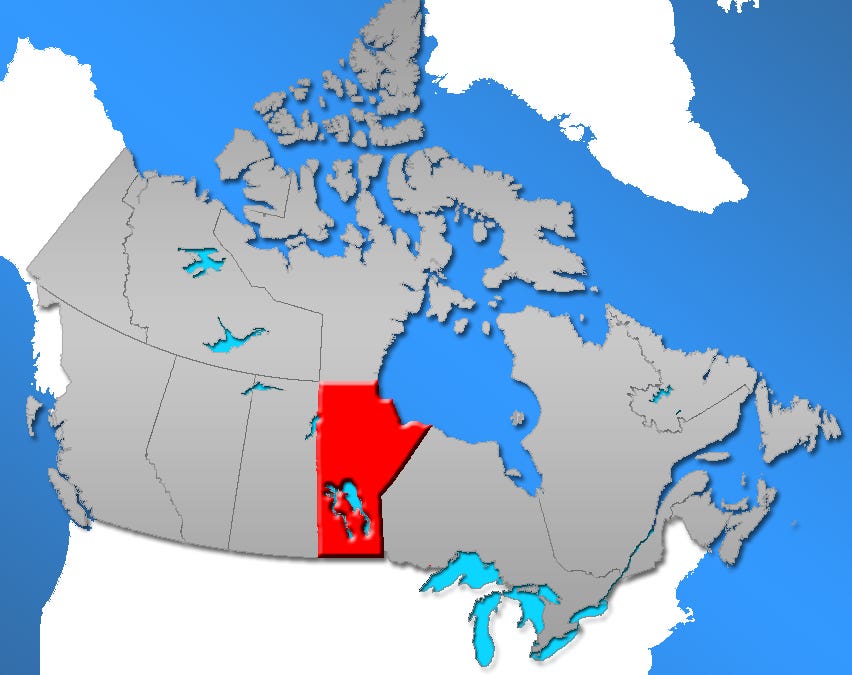
Manitoba Hepatitis A update – by Robert Herriman
Since September 2024, Manitoba has reported 784 cases of hepatitis A, resulting in 165 hospitalizations and four deaths, according to Manitoba Health, Seniors and Long-Term Care. The outbreak, linked to inadequate sewage and water infrastructure in remote communities, has prompted the province to update eligibility criteria for free vaccines as the virus spreads through person-to-person contact.
Why is the hepatitis A outbreak spreading in Manitoba?
Manitoba Health, Seniors and Long-Term Care reports that the outbreak began in several northern Manitoba communities. It has since expanded to other regions across the province, including an increase in cases within Winnipeg.
Officials identified a high concentration of cases among people experiencing homelessness in Winnipeg and individuals with connections to other outbreak communities. Poor sanitation and failing water and sewage infrastructure in remote areas have contributed to the ongoing transmission.
Who is eligible for the free hepatitis A vaccine?
Manitoba Health, Seniors and Long-Term Care updated its vaccine program to target high-risk groups. Children born on or after Jan. 1, 2010, who are at least six months old, qualify for two doses if they live in, travel to, or have household visitors from Indigenous communities in Manitoba.

A single dose remains available for individuals aged six months and older in specific areas. This includes community members in the Island Lake area—specifically Garden Hill, St. Theresa Point, Wasagamack, and Red Sucker Lake First Nations—as well as Peguis, War Lake (Ilford), Bloodvein River, Ebb and Flow, Cross Lake (Pimicikamak Cree), and Tataskweyak (Split Lake) First Nations.
Eligibility also extends to those working in or visiting these communities, correctional facility inmates, and non-health-care volunteers or staff in Winnipeg who serve people experiencing homelessness.
What are the symptoms and risks of hepatitis A?
Hepatitis A is an acute liver infection caused by the hepatitis A virus (HAV). It spreads when people consume food or water contaminated by the feces of an infected person, a common occurrence in areas with poor sanitation.
According to health officials, symptoms can appear 14 to 28 days after exposure, though some cases take up to 50 days. Common signs include fever, nausea, vomiting, stomach cramps, diarrhea, dark urine, and jaundice, which is the yellowing of the skin and eyes.
While many recover in one to two weeks, the illness may be more severe for people over age 60, those with chronic liver disease, or those with weakened immune systems. In rare instances, the virus can cause fulminant hepatitis, or acute liver failure, which may be fatal.
What may happen next with the outbreak?
The continued spread of the virus could depend on the speed of vaccine uptake among the newly eligible groups. If infrastructure gaps in remote communities remain, transmission may persist in those areas.

Health officials may likely continue to monitor cases in Winnipeg to determine if the virus is spreading beyond the currently identified high-risk populations. Further updates to vaccine criteria could occur if the virus reaches additional communities.
Frequently Asked Questions
How is hepatitis A transmitted?
According to the provided health data, the virus spreads mainly through person-to-person contact or by consuming food and water contaminated by the feces of an infected person.
Does hepatitis A cause chronic liver disease?
No, according to the source, hepatitis A does not cause chronic liver disease, although it can rarely cause fatal acute liver failure.
Who is most likely to experience severe symptoms?
Severe illness is more common in people over the age of 60, individuals with chronic liver disease, and those with weakened immune systems.
Do you believe infrastructure improvements in remote areas should be the primary focus for preventing future outbreaks?