

Marco Rubio Calls Russia’s Ukraine Invasion a Strategic Catastrophe
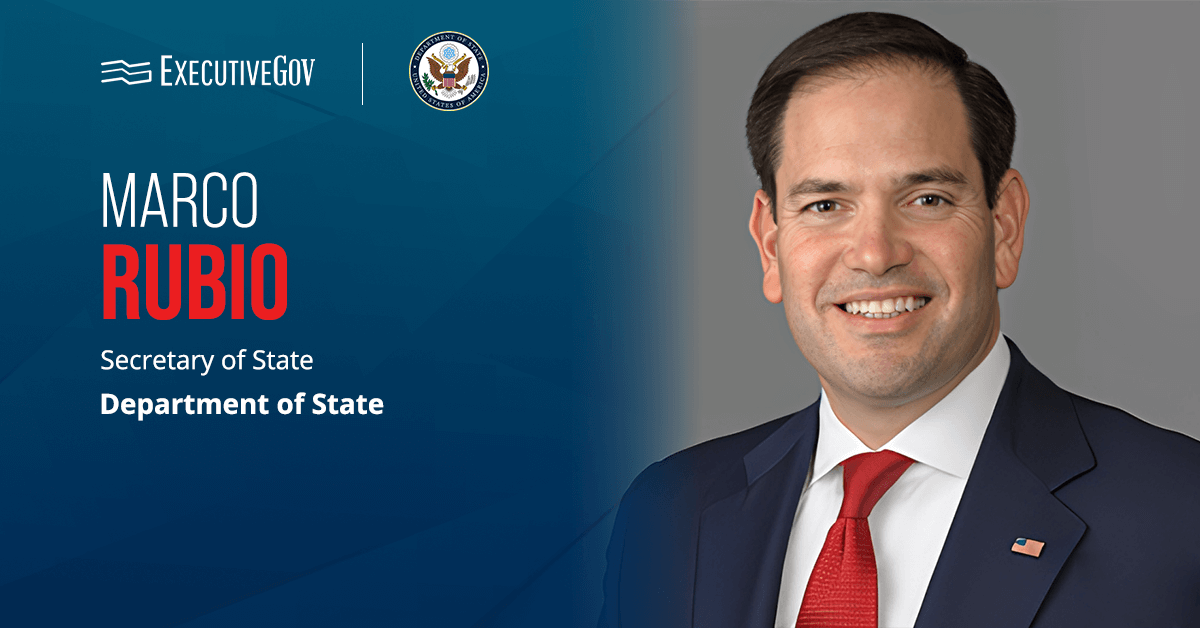
U.S. Secretary of State Marco Rubio delivered a blunt assessment of Russia’s war in Ukraine this week, framing the conflict as a “strategic catastrophe” for Moscow that has left its original military objectives irreparably out of reach. Speaking before the Senate Foreign Relations Committee, Rubio stated that even some Russians now recognize the invasion’s failure, while global observers share the consensus that Kremlin forces have been unable to achieve the goals set on the first day of the conflict—and may never do so militarily. His remarks came as Ukraine’s counteroffensives have gained momentum, shifting the battlefield dynamics in ways that complicate diplomatic efforts to end the war.
Why It Matters: A War Without a Military Solution
Rubio’s comments underscore a critical geopolitical reality: the war in Ukraine has evolved into a stalemate where neither side can force a decisive victory on the ground. While Ukraine has demonstrated tactical progress in recent months, the U.S. And its allies face the challenge of brokering a negotiated settlement—one that remains elusive due to the vast gap between Kyiv’s and Moscow’s demands. The secretary emphasized that diplomacy, not further military engagement, is the only viable path forward, though the current deadlock suggests that even this route is fraught with obstacles.
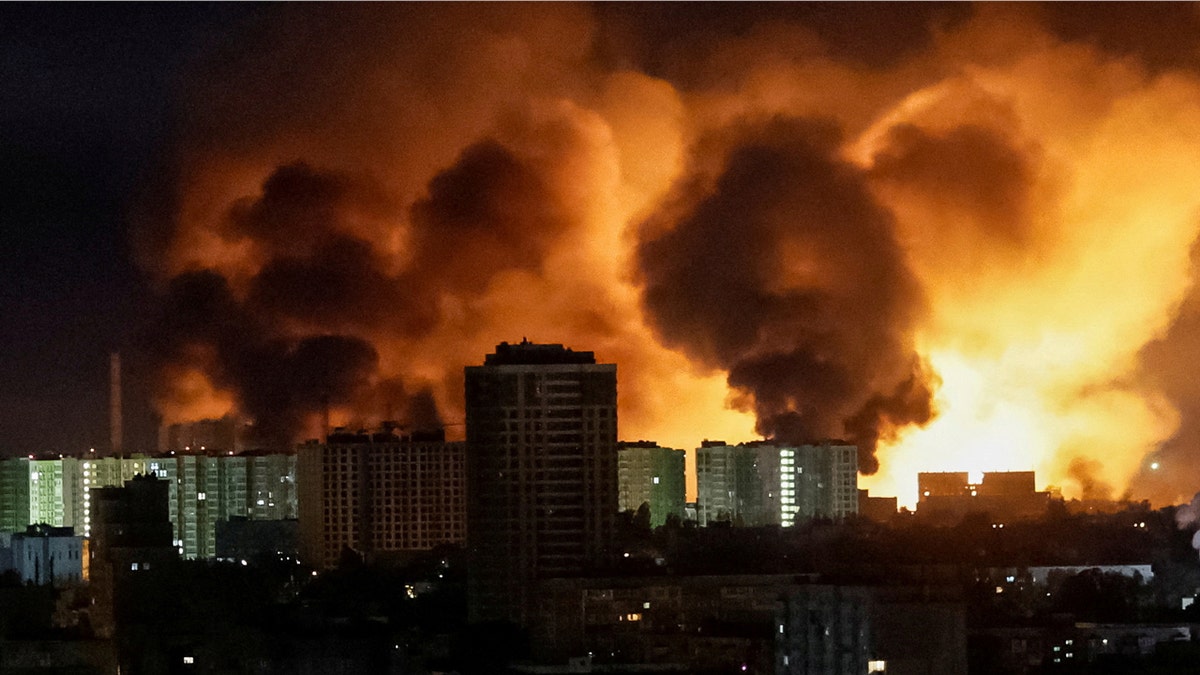
The timing of Rubio’s remarks was significant. They came as Russian President Vladimir Putin prepared to address the International Economic Forum in St. Petersburg—his hometown—where the atmosphere was overshadowed by the aftermath of Ukrainian drone strikes targeting a petroleum terminal and a naval base in Kronstadt. The visible damage and black smoke over the city served as a stark reminder of Ukraine’s ability to project power deep into Russian territory, a development that has forced Putin to operate under heightened security constraints. Kyiv framed its strikes as a “justified retaliation” for Russia’s relentless bombardment of Ukrainian cities and energy infrastructure, while Ukrainian President Volodymyr Zelenskyy signaled that further escalation could be imminent.
Adding to the tension, NATO Secretary General Mark Rutte—during a joint press conference with Zelenskyy—hinted at the growing asymmetry in the conflict. He noted that Putin’s ability to stage large public events, such as Victory Day parades, now depends on Kyiv’s tacit approval. Rutte’s quip—that Putin’s May 9 celebrations were cut short after just 55 minutes—highlighted the Kremlin’s vulnerability, even as it seeks to project strength on the global stage.
What’s Next: Three Possible Scenarios
The coming weeks could see several developments, each with distinct implications for the war’s trajectory. First, Ukraine may continue to escalate its strikes deeper into Russian territory, testing Moscow’s defenses and further eroding its ability to project stability. This could pressure Putin to either retaliate more aggressively—risking broader conflict—or seek concessions through diplomacy, though his leverage appears weakened.
A second possibility is that the U.S. And its allies will intensify efforts to mediate a ceasefire, leveraging Ukraine’s battlefield gains as a negotiating tool. However, the distance between Kyiv’s demand for territorial integrity and Moscow’s insistence on control over certain regions suggests that any agreement would require significant compromises—raising the risk of renewed hostilities if terms are perceived as unfair.
Finally, the economic and political strain on Russia could deepen, particularly if sanctions or secondary measures begin to disrupt the International Economic Forum’s proceedings. Putin’s reliance on the event as a platform to attract foreign investment may clash with the reality of Ukraine’s growing military reach, creating a paradox where Russia’s economic diplomacy is overshadowed by the war it seeks to sustain.
Frequently Asked Questions
Has Russia achieved any of its original objectives in Ukraine?
No. U.S. Secretary of State Marco Rubio stated that Russia has failed to meet the military objectives it set on the first day of the invasion and may never achieve them through force.
Why does Ukraine continue to strike deep inside Russia?
Kyiv has described these operations as “justified retaliation” for Russia’s sustained attacks on Ukrainian cities and critical infrastructure, including energy systems.
Could the war end through negotiation?
Rubio acknowledged that diplomacy is the only viable path, but noted that the positions of both Ukraine and Russia remain far apart, making progress difficult.
As the war enters a new phase of uncertainty, one question looms: In a conflict where neither side can claim victory, what will it take to break the deadlock—and at what cost?