

Marco Rubio says Mojtaba Khamenei is increasingly involved in Iranian government
The High-Stakes Calculus: Inside the US-Iran Nuclear Stand-off
The geopolitical landscape in the Middle East has entered a period of unprecedented volatility. As Washington and Tehran navigate an uneasy period of kinetic conflict and diplomatic maneuvering, the core of the issue remains fixed: the Iranian nuclear program. With US Secretary of State Marco Rubio signaling that sanctions relief is strictly conditional on nuclear disarmament, the path forward remains narrow and fraught with risk.
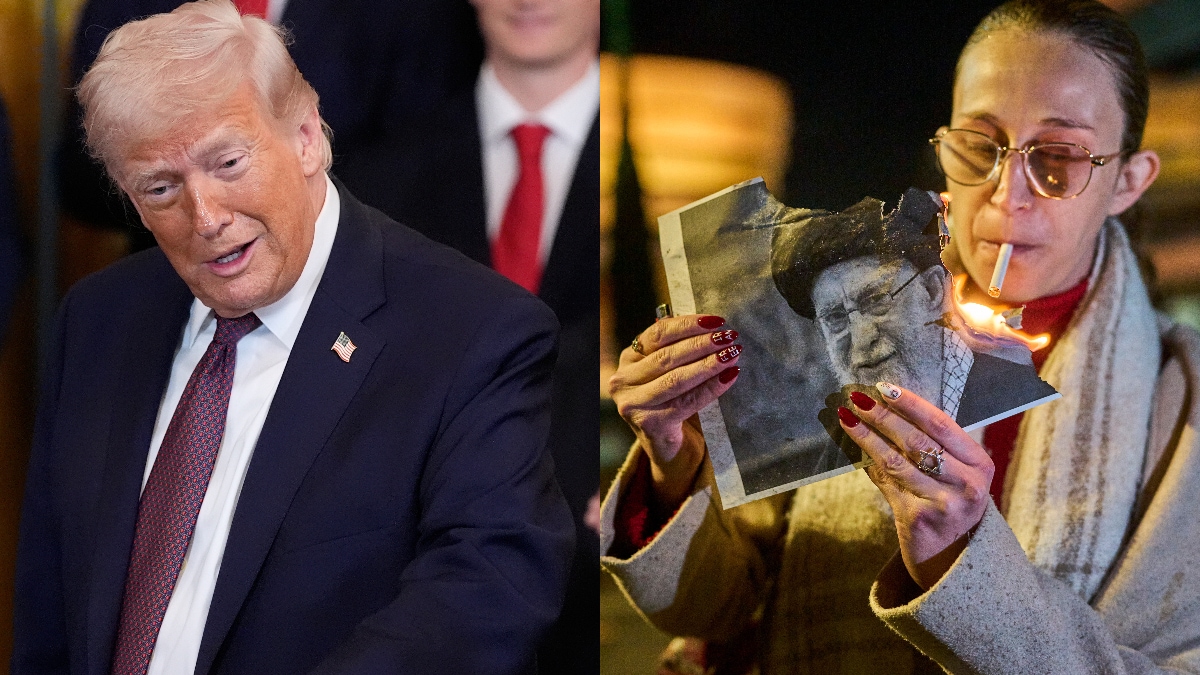
The “Strait of Hormuz” is one of the world’s most critical maritime chokepoints. Roughly 20% of the world’s petroleum consumption passes through this narrow waterway, making any disruption a major driver of global gasoline price fluctuations.
The “Conventional Shield” Doctrine
Strategic analysts have long observed Iran’s shift in military doctrine. Rather than relying solely on proxy warfare, Tehran has invested heavily in a “conventional shield”—a mix of drone swarms and missile capabilities designed to deter conventional military intervention while it advances its nuclear enrichment goals.
However, recent US-Israeli strikes have significantly eroded this protective layer. Rubio’s recent testimony suggests that while Iran’s drone stockpiles remain robust, the strategic utility of that shield is diminishing. This creates a “use it or lose it” dilemma for leadership in Tehran, which may paradoxically increase the risk of regional escalation in the short term.
Diplomatic Hurdles and Congressional Friction
The Biden-era approach to diplomacy has been replaced by a more rigid, condition-based framework under the current administration. The White House insists that there will be no “easy wins” or sanctions relief without verifiable, irreversible steps toward dismantling nuclear infrastructure.
This hardline stance has drawn sharp criticism from within the halls of Congress. Senator Jeanne Shaheen has voiced concerns that the administration is operating in a vacuum, bypassing necessary legislative oversight. This friction highlights a growing trend: Executive overreach in foreign policy vs. The legislative branch’s demand for transparency in what many lawmakers now categorize as an undeclared war.
Economic sanctions are rarely about immediate regime change. They are designed to create a “cost-benefit” shift, making the pursuit of nuclear weaponization more expensive than the economic gain of re-entering the global market.
Future Trends: What to Watch
- Decoupling Regional Conflicts: The US is attempting to separate the Lebanon-Israel peace process from the broader Iran standoff. If Tehran succeeds in “linking” these issues, they gain significant leverage to demand concessions elsewhere.
- Energy Market Volatility: As the November elections approach, the pressure to lower domestic gas prices will likely force the administration to prioritize the reopening of the Strait of Hormuz, potentially creating a temporary “de-escalation” window.
- The Rise of Multi-Front Oversight: With ongoing questions regarding policy in Venezuela and potential instability in Cuba, Congress is likely to push for a more comprehensive “Global War Powers” review, moving away from crisis-to-crisis management.
Frequently Asked Questions
- Why is the Strait of Hormuz so important to US voters?
- The Strait is a vital chokepoint for oil tankers. Disruptions here lead to supply shortages, which directly increase gasoline prices at American pumps, impacting the cost of living.
- What is the “nuclear shield” strategy?
- It refers to Iran’s attempt to build conventional military forces (like drones and missiles) to deter foreign intervention, allowing them to continue nuclear enrichment projects under the cover of that deterrent.
- Can Congress stop the administration from taking military action?
- Under the War Powers Resolution, Congress has the authority to authorize or terminate military engagements. However, the executive branch often navigates these rules by classifying actions as defensive or limited in scope.
Stay Informed on Global Strategy
The situation in the Middle East is evolving daily. Want to stay ahead of the headlines? Subscribe to our weekly geopolitical briefing to get expert analysis delivered straight to your inbox.
What do you think is the biggest risk for the US in the coming months? Share your thoughts in the comments below.